
Politics
Bauchi 2027: South’s political stronghold, poor grassroots support pose hurdles for Ali Pate

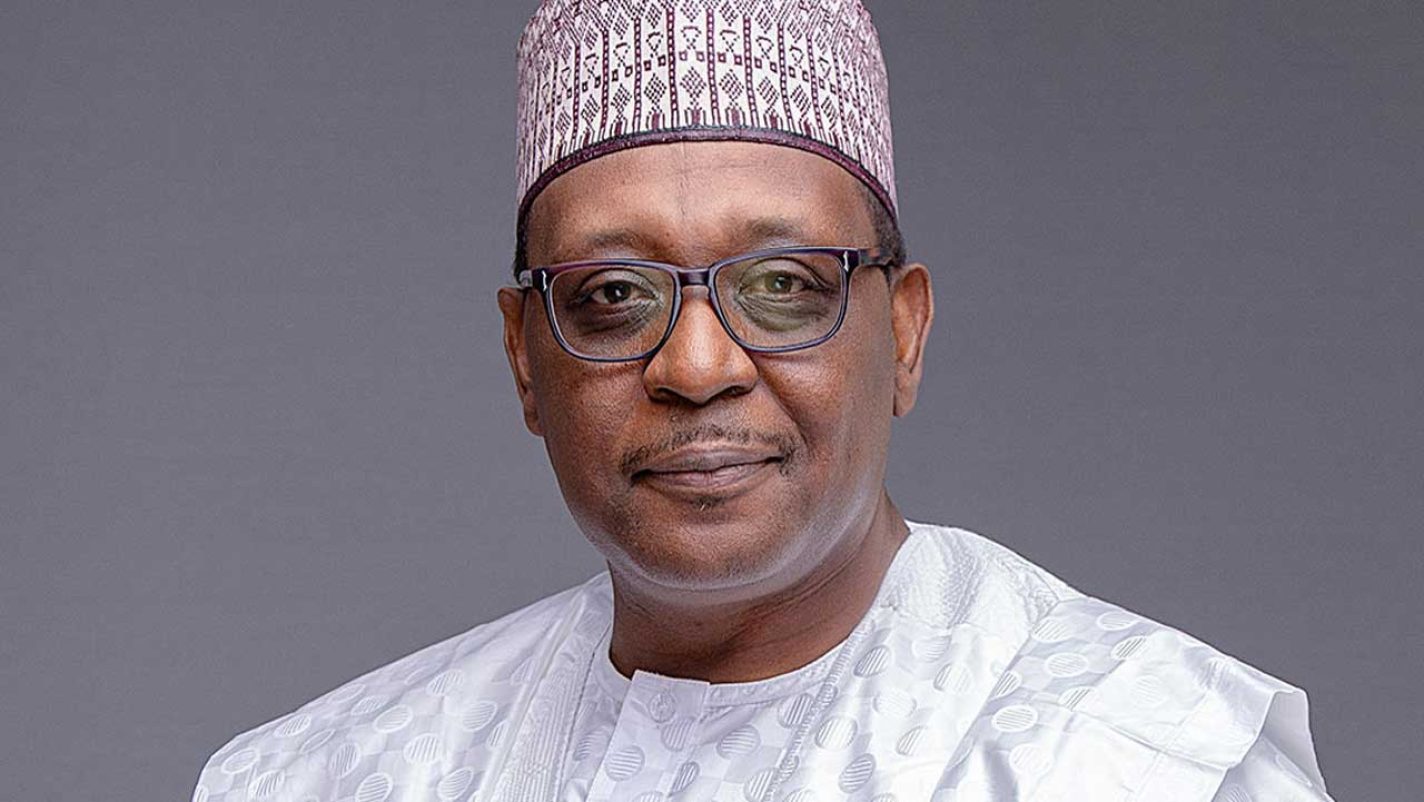
As the 2027 governorship election in Bauchi State approaches, attention is gradually shifting to the Minister of Health and Social Welfare, Professor Ali Pate, who is widely believed to be weighing a bid for the All Progressives Congress (APC) ticket.
Several politicians in the state are already positioning themselves for the 2027 contest. Among those quietly exploring the possibility is Pate, who is not new to Bauchi’s political space and remains a familiar figure in governorship calculations
Political observers are divided on whether the former Minister of State for Health and respected technocrat can secure the party’s ticket, given the complexity of Bauchi politics.
Pate’s governorship ambition dates back to 2015, when he expressed interest in contesting under the Peoples Democratic Party (PDP). During that period, he promised to create one million jobs by 2020, prioritise youth and women participation, improve fiscal management, and attract private sector investment. He, however, lost at the party primaries.
He made further attempts in 2019 under the Peoples Redemption Party (PRP) and again in 2023 under the APC, but failed to secure the ticket on both occasions.
One major obstacle confronting Pate’s 2027 ambition is Bauchi’s political history. Bauchi Central, where he comes from, has never produced a governor since the return to democracy in 1999. Instead, power has rotated mainly between Bauchi South and Bauchi North, leaving the Central zone without a winning precedent.
Zoning and power-sharing play a major role in Bauchi politics, and party leaders often rely on historical patterns when selecting candidates. Critics argue that the absence of a Central zone governor weakens its political claim and could be used against aspirants from the area.
Despite his strong technocratic profile and international reputation, Pate will need to build alliances across the three senatorial zones. He must convince party leaders, traditional rulers, and grassroots voters that his candidacy represents unity rather than a break from accepted norms.
Although his competence is rarely questioned, analysts believe the lack of a Central zone governorship record makes his journey more difficult than that of aspirants from zones with stronger historical backing.
Bauchi South has dominated the
governorship for over two decades, benefiting from its population size and number of local government areas. The zone controls about 63 per cent of the state’s votes.
All governors since 1999, Ahmadu Adamu Mu’azu (PDP), Isa Yuguda (APC), Mohammed Abdullahi Abubakar (APC), and the incumbent Governor Bala Mohammed (PDP) are from Bauchi South.
Traditionally, when the governor emerges from the South, the deputy comes from the North, while the Secretary to the State Government is selected from the Central zone.
The only time Bauchi North produced a governor was between 1979 and 1983, when Abubakar Tatari Ali served as the first civilian governor before his tenure was ended by the December 31, 1983 military coup.
Pate hails from Misau Local Government Area in Bauchi Central, a zone with moderate population strength, which may limit his electoral influence.
However, observers note that his father, Malam Aliyu, a respected academic and philanthropist built goodwill across Bauchi and northern Nigeria, a legacy that still benefits Pate.
Political analysts say Pate’s image has changed over time. He was once seen as distant, unwilling to invest heavily in grassroots politics, and accused by some former allies of abandoning supporters. But since becoming Coordinating Minister of Health and Social Welfare, his approach appears to have shifted.
“He has reportedly committed significant funds to party activities in Bauchi, improving his standing among politicians,” said Comrade Abdullahi Yelwa, a lecturer at Abubakar Tatari Ali Polytechnic.
Yelwa added that federal projects linked to Pate, such as the Federal College of Nursing in Misau and the upgrade of the Federal Medical Centre in Azare to a teaching hospital, have created jobs and strengthened local support.
However, Yelwa noted that challenges remain. “Some long-time allies feel neglected and have left his camp. If not addressed, this could hurt his ambition.”
Within the APC, party structure also poses a challenge. While Pate has supported the party financially at intervals, other stakeholders who consistently fund and sustain the party may have more influence during primaries.
Analysts also note that technocrats like Pate are often viewed as threats by established grassroots politicians who fear reforms could disrupt existing political systems.
National factors also come into play. Although President Bola Tinubu leads the APC, analysts doubt that federal influence alone can determine outcomes in Bauchi. The 2023 elections showed that Bauchi South’s numerical strength remains decisive.
Moreso, public dissatisfaction with policies such as fuel subsidy removal and rising hardship among farmers may further weaken the APC’s appeal.
Pate will also face strong competition within the party. Senator Shehu Umar Buba of Bauchi South is widely seen as a leading contender, actively building support and mobilising resources. Foreign Affairs Minister Yusuf Maitama Tuggar is also mentioned as a possible aspirant, alongside former governor Mohammed Abdullahi Abubakar and businessman Nura Manu Soro.
Observers describe Pate’s ambition as both hopeful and risky. His federal influence, health-sector reforms, and international experience are advantages, but weak grassroots ties and Bauchi South’s dominance remain serious challenges.
Another analyst who spoke in confidence with DAILY POST said Pate understands Bauchi politics but struggles to maintain long-term loyalty. “Many do not see him as a full-time politician,” he said.
Analysts warn that Bauchi politics often works against technocrats, as entrenched interests may resist leaders perceived as reform-minded.
Unless Bauchi adopts a clear power-rotation agreement, similar to Plateau State, analysts believe Bauchi South will continue to dominate the governorship.
On Pate’s chances, opinions remain cautious. “He may secure the ticket, or he may not. Even if he does, winning the general election is not guaranteed,” one analyst said.
However, supporters like Umar Musa, Secretary-General of the Primary School Old Boys Association of Bakaro/Dangikka, believe Pate stands out.
“Bauchi needs leadership with vision and experience. Professor Pate has the capacity to improve healthcare, education, agriculture, and job creation,” Musa said, pledging support if Pate joins the race.
dailypost.ng

Reps raise concerns over poor budget implementation, delayed releases to MDAs
By Gift Chapi Odekina, Abuja
The House of Representatives was thrown into a rowdy session on Wednesday after Speaker Tajudeen Abbas stopped an attempt by a lawmaker to invite President Bola Tinubu to appear before the chamber over the implementation of the 2025 budget.
The incident occurred during the consideration of a motion of urgent public importance sponsored by Hon. Alex Mascot Ikwechegh (Labour Party, Abia), who expressed concern over inadequate funding of Ministries, Departments and Agencies (MDAs) and persistent delays in the release of appropriated funds.
Presenting the motion, Ikwechegh said disclosures by ministers and heads of MDAs during the ongoing 2026 budget defence sessions indicated that several agencies had received little or no capital releases in 2025 despite appropriations approved by the National Assembly.
According to him, the delays have stalled critical projects across the country and left many contractors, who financed government projects through bank loans, awaiting payment for completed and verified contracts.
He recalled that President Bola Tinubu had directed at a Federal Executive Council meeting in December 2025 that verified contractor liabilities, estimated at about ₦1.5 trillion, be settled. However, he noted that despite the directive and legislative approvals, releases to MDAs remained slow or, in some cases, had not been made.
Ikwechegh also drew attention to a Treasury Circular reportedly issued on June 29, 2026, by the Office of the Accountant-General of the Federation, suspending payments for zonal intervention and constituency projects pending the issuance of Certificates of Verification and Compliance by the Federal Ministry of Special Duties and Intergovernmental Affairs.
He urged the House to commend the President for directing the settlement of contractor liabilities and to call for the immediate implementation of the directive.
The session became heated when the lawmaker went beyond the prayers contained in his motion and proposed that President Tinubu be invited to appear before the House to explain the delays in budget implementation.
Before he could conclude, Speaker Abbas interrupted him, reminding him that the proposal was not part of the motion before the House and directed him to restrict his submissions to the approved prayers.
The intervention sparked sharp reactions across the chamber. While some lawmakers supported the suggestion, others opposed it, arguing that under the Constitution, ministers and heads of government agencies—not the President—are responsible for accounting for budget implementation.
The disagreement deepened when Hon. Godwin Oga Mobi proposed an amendment seeking the postponement of the House Open Week to allow lawmakers to concentrate on addressing the budget implementation challenges. The amendment was seconded by Hon. Sani Lawan.
Also contributing, Hon. Yusuf Gagdi (Plateau) backed the substantive motion but opposed any move to invite the President. He argued that parliamentary oversight should focus on officials directly responsible for implementing government policies.
Gagdi further requested that the House split the question to enable members to vote separately on the proposal to invite the President and the other prayers contained in the motion.
The request triggered loud protests from lawmakers, with members shouting across the chamber as supporters and opponents exchanged arguments.
Speaker Abbas repeatedly called for order before ruling against the request to split the question, insisting that the House would proceed in line with its rules and the motion as presented.
Following the ruling, calm was restored and the House concluded consideration of the motion.
The House subsequently urged the Federal Ministry of Finance, the Budget Office of the Federation, the Office of the Accountant-General of the Federation and the Central Bank of Nigeria to prioritise timely releases and cash-backing of appropriated funds, publish a clear schedule of releases for the 2026 fiscal year, and conclude the verification and payment of outstanding contractor liabilities within a defined timeframe.
Lawmakers also called on fiscal authorities to ensure that the over ₦1 trillion borrowing approved by the National Assembly is applied strictly to the settlement of verified capital project obligations and to provide the legislature with a full account of its utilisation.
The House further urged the Office of the Accountant-General to review the June 29 Treasury Circular and align it with the President’s directive by introducing clear timelines for issuing verification certificates to avoid further delays.
As part of its resolutions, the House proposed the constitution of an ad hoc committee, to be chaired by the Chairman of the House Committee on Appropriations, to engage relevant fiscal authorities on the status of fund releases, contractor payments and the utilisation of approved borrowings.
The committee is expected to report back to the House within four weeks with recommendations for further legislative action.
www.vanguardngr.com

Nigeria Democratic Congress, ADC, presidential candidate, Peter Obi, has insisted that President Bola Tinubu is tired and needs to go home and rest in 2027.
Obi stressed that he is not desperate for power but wants Nigeria to work.
In an interview with media personality, Chude, Obi said Tinubu’s administration has sent more Nigerians into poverty.
According to Obi, some Nigerians doing well in business have resorted to selling kuli-kuli.
He said: “Tinubu is tired and needs to go home and rest. When Tinubu came into power 87 million Nigerians were in poverty but today it’s 140 million.
“Insecurity has gotten worse. Which hope are they going to renew again? You can’t renew failure.
“I am not desperate to be President of Nigeria. There’s a way you will fail in school, they will ask you to leave the school.
“People who had business when you came into power are now people who are selling kuli-kuli.”
dailypost.ng
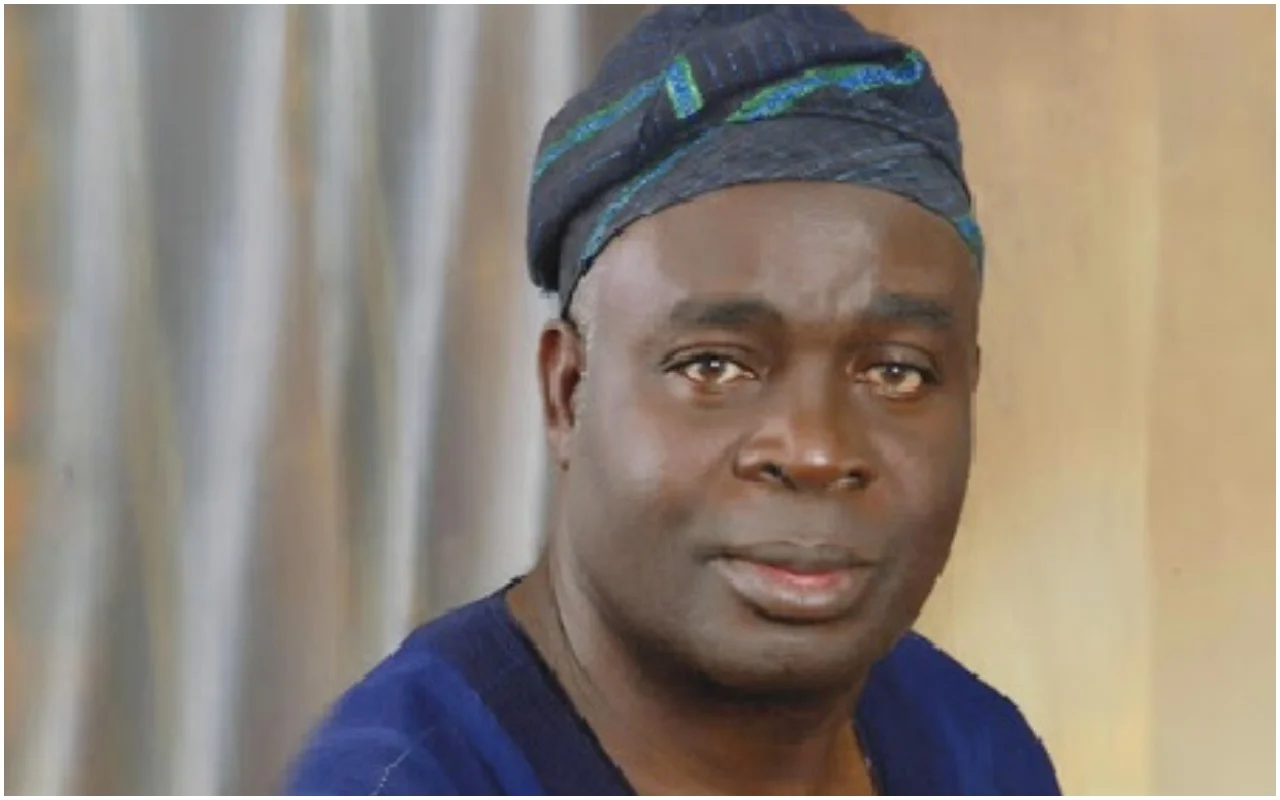
Only a third force can liberate Kwara State in the 2027 general elections, says Akogun Iyiola Oyedepo, a chieftain of the African Democratic Congress.
Oyedepo was a leading member of the ‘Otoge Revolutionaries’ who swept the Peoples Democratic Party government out of power in 2019 and installed the ruling All Progressives Congress in Kwara State,
In an exclusive interview with DAILY POST in Ilorin on Tuesday, he said with the deep acrimony and visible division in the ruling All Progressives Congress in the state, the hope of the party remains very slim, because the majority of the members could for other political parties.
Oyedepo, who was one of the vocal members of the revolution alleged that Governor Abdulrahman Abdulrazaq betrayed the trust invested in him, saying, ‘but I have no regret personally, though this is not what we worked for’.
“We used the revolution to liberate the people of the state but the APC national leadership imposed Governor Abdulrazaq on Kwara APC.
“I went to about 30 leaders of the party in 2024 in the state to warn that Governor Abdulrazaq would ruin all of us unless we check him, but they did not listen to me and what I predicted in 2024 is coming to reality.
“The governor has given his consent to those he prefers and it could be the end of APC in Kwara,” he declared.
Oyedepo said, “though I am in African Democratic Congress, as the Senatorial candidate for Kwara South Senatorial District, the crisis may be an opportunity for the Peoples Democratic Party and it may not be, if APC is rejected.
The former state commissioner, however, argued that “sensible people in the APC should not embrace PDP because they are almost the same since dynastic governance is common to the two parties.”
He advised the electorate to look for a party that has no godfather and is not dynastic if Kwara must be liberated and allowed to grow and develop as a second generation state.
dailypost.ng


Windstorm kills seven, injures 53 in Jigawa

Thierry Henry Drops Verdict on Lionel Messi’s Argentina Tears vs Egypt

Man Utd Edging Towards £50m Agreement to Sign Chelsea Star Andrey Santos

Meaning Behind Egypt Manager’s ‘X’ Gesture vs Argentina

Simi Sanya and Femi Dapson Are Now Legally Married and It Is Beautiful to See

Premier League Set-Piece Goals (2025/2026)
-
Sports20 hours ago
Meaning Behind Egypt Manager’s ‘X’ Gesture vs Argentina
-
 Sports2 days ago
Ball Boy and Girls Salaries Revealed
-
 Sports1 day ago
‘Real Reason’ Why Sami Zayn Lost His Title to CM Punk
-
 Sports2 days ago
Rodri Addresses Bernardo Silva Incident During Spain 1-0 Portugal
-
 Sports10 hours ago
Ian Wright Claims Argentina Winning Goal vs Egypt Should Have Been Disallowed
-
 Sports21 hours ago
VAR Expert Claims Egypt Should Have Had Penalty vs Argentina
-
 Sports2 days ago
World Cup Fans Claim Bernardo Silva Player ‘Cost’ Portugal vs Spain
-
 Sports1 day ago
Cristiano Ronaldo’s ‘Arrogant’ Interview After Portugal World Cup Exit