
Sports
Premier League clubs face financial setback over illegal streaming

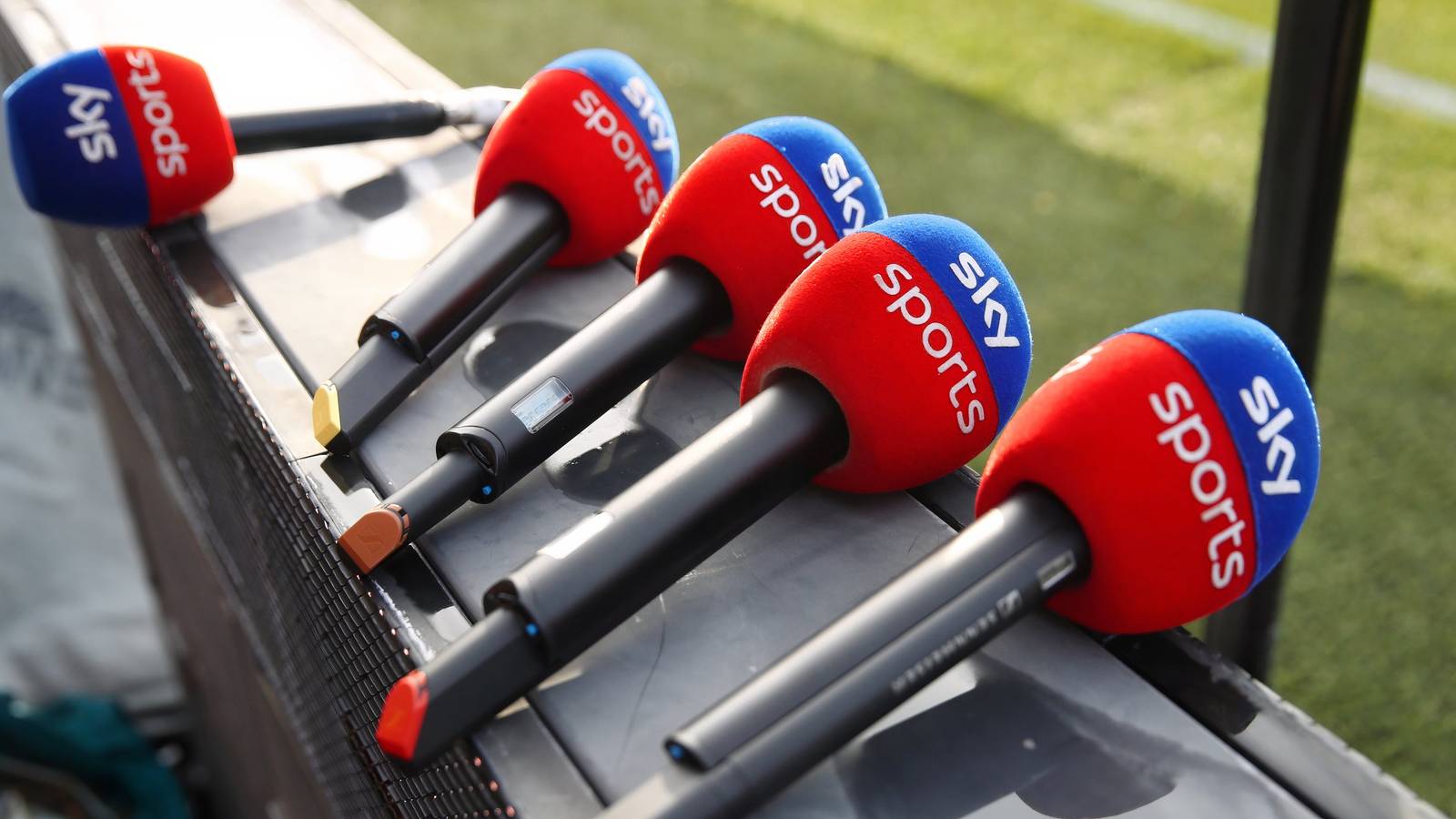
For the Premier League and its 20 member clubs, the issue around the illegal streaming of matches poses a significant threat, particularly when it comes to the big team’s transfer spending habits.
The strength of English football’s top tier and its rise to being a dominant force as the most watched and most lucrative domestic league in world football, has long allowed it to bring in huge sums of cash from broadcasters to show games. It’s created a £12billion-plus revenue stream for every four-year cycle that finds itself facing major pressure from piracy, with broadcasters losing patience, and clubs staring down a future where the financial engine that powers English football starts to misfire, and the returns fall away.
In the UK, watching football legally has become a premium product. There are few things that drive subscriptions to a streaming service like live sport, and, in particular, the Premier League. It doesn’t come cheap for consumers, though. A full subscription setup that would include Sky Sports and TNT Sports via the Discovery+ app can cost more than £1,000 per year, and even then, fans can’t watch every game due to the fact that the 3pm blackout still applies. With such high costs, football fans have tried to find ways to work around the issue.
Fire Sticks

Modified Amazon Fire Sticks, IPTV services, and Telegram links have created a serious problem for broadcast chiefs. Sky estimates Fire Sticks account for “probably about half” of all Premier League piracy in the UK. According to 2024 GlobalData research, the cost annually to English football’s elite competition is more than £20m.
In a football ecosystem where broadcasters are faced with stumping up more cash every rights cycle, it is impactful. The Premier League blocked more than 600,000 illegal streams during the 2022/23 season, and industry sources suggest the number is even higher in 2024/25. Enforcement has intensified, with more coordinated raids and an increased number of High Court orders, but the scale of piracy has continued to grow, with access to it now more prevalent than ever before.
Tom Burrows, global head of rights at global sports streaming platform DAZN, told the Financial Times Business of Football Summit back in February that piracy is “almost a crisis,” warning: “There’s almost an argument to say you can’t get exclusive rights anymore because piracy is so bad.” The exclusivity that underpins broadcast deals is being eroded, and when exclusivity goes, so does value.
Premier League club executives will have had growing concerns over this trend. Broadcast rights, for the majority of the 20 member clubs in the Premier League, remains the single most important revenue stream. But whether you’re chasing Champions League football or fighting relegation to the Championship, it is a core revenue pillar. A sustained drop in rights value doesn’t just affect next season’s transfer budget. It affects multi-year planning, stadium investment, academy funding, and regulatory compliance. Clubs build their financial models around predictable broadcast income, some even borrow against it. If piracy continues to undermine that predictability, the entire ecosystem becomes more fragile.
That erosion is already visible. The domestic deal for 2022/25 stood at around £4.9bn. The international deal was around £5bn. The domestic deal was struck over three years, with 200 live games available through various packages. That worked out at £1.633bn per season, with the bulk of that money distributed to the member clubs through equal share payments and merit payments, with those split between domestic and international rights.
Sky Sports and TNT Sports were the two to win the rights from 2025, with the deal now worth £6.7bn, but over four years instead of three, and with 270 live games available instead of 200. Amazon did not come back to the table, while DAZN, who were tipped to make a play, also did not feature. That meant an absence of streamers from the next cycle, something which flies in the face of where the long-term future of live sports broadcasting exists, as traditional paid-for bundling becomes more and more challenged.
But that £6.7bn deal might, on the face of it, seem like a big £1.8bn bump for the Premier League, but over an extra year it means that the value of the package has actually risen by £42m per season, from £1.633bn to £1.675bn, and that is with an additional 70 games. To break that down further, the value placed on each game for 2022/25 was around £8.16m. For 2025/29, with the extra games, that sits at £6.2m in terms of the value placed on each game, a drop of £1.96m per game.
International rights still have room to climb, especially in the US and MENA regions. But even there, the ceiling is in sight. Streamers like Amazon and Apple have entered the market, but they’re not paying the kind of money that had been on the table from traditional linear broadcasters. The strategy of sports streamers is a global, long-term, and data-driven one, and they are highly unlikely to engage in a bidding war and overpay for a domestic product that’s leaking value.
If piracy forces a 15% reduction in the next rights cycle, the broadcast pool could shrink from £3.3bn to £2.8bn. That equates to a potential £300m–£500m lost across the league annually. For clubs like Burnley or Bournemouth, that could mean losing 20–30% of their total revenue. For top-six sides, while the impact would be less keenly felt, it’s the difference between signing a marquee player or balancing the books.
Money talks

Broadcast revenue is the Premier League’s financial backbone. In 2023/24, clubs generated a record £6.35billion in total revenue, according to Deloitte. Of that, £3.3billion came from broadcast income—more than 50% of the league’s total. For mid-table and lower-tier clubs, that figure often climbs to 60-70%. For that particular financial year, clubs like Luton Town and Sheffield United relied heavily on equal share payments and facility fees to keep the lights on. Each club receives £29.8m as an equal share, plus £1.6m per league position in merit payments, and £830,000 for every televised match. Liverpool, for example, earned £24.9m in facility fees alone during the 2024/25 season. That’s no small amount of money, that’s money that can be put to work strengthening the squad.
If broadcast income drops, the ripple effects are immediate. Solidarity payments to EFL clubs shrink. Parachute payments for relegated sides get scaled back. Grassroots funding dries up. Clubs already under regulatory pressure from trying to comply with the Premier League’s financial controls, face tighter margins and tougher decisions.
The financial model that underpins English football assumes continued growth in broadcast rights. The success of the league has pretty much been predicated on it. But if piracy undermines exclusivity, broadcasters will push back. Shorter deals. Lower fees. Flexible rights structures. That introduces volatility to the market. Clubs may delay stadium upgrades, reduce academy investment, or hedge transfer spending. Multi-year budgets rely on predictable income. Volatility kills planning.
Law enforcement is stretched when it comes to tackling the problem. Emma Warbey, head of the Police Intellectual Property Crime Unit, said last year in a statement that illegal streaming in the UK has gone “through the roof.” Her team targets resellers and organised crime groups, not individual users – but the risks are real.
She said: “These criminals are using that money, your hard-earned money, for lots of different things—usually drugs, certainly forced labour, people trafficking, huge amounts of other criminality that you’re feeding into. So it isn’t a victimless crime.”
Warbey warned that many users don’t realise they’re handing personal data to fraudsters. Cease-and-desist letters are now being used to target bedroom-level sellers. “We know what you’re doing, this is the law you’re breaking, and if you carry on, we will come and arrest you.” It’s a blunt message, but a necessary one.
The cost-of-living crisis and a squeeze on household incomes has only accelerated the trend and exacerbated the problem. Illegal Fire Sticks – preloaded with apps that stream sport from around the world – are now ubiquitous. Broadcasters warn that this normalisation of piracy is devaluing the entire sports rights market, and they’re demanding that action be taken before it’s too late.
Recently, Amazon has responded. The latest incarnation of the Fire Stick runs on Vega OS, a different operating system that has replaced Android and blocks sideloaded apps – the lifeblood of illegal streaming. VPNs are disabled by default.
Amazon insists it’s committed to protecting intellectual property (IP) rights. It co-founded the Alliance for Creativity and Entertainment (ACE), the world’s largest content protection coalition. It banned the sale of illicit streaming devices on its marketplace, but Sky says it has not yet gone far enough.
Nick Herm, Sky’s chief operational officer, speaking at the FT Business of Football Summit, said he wanted Amazon to “lock down or impose controls and restrictions on the use of side-loaded unofficial apps.”
UEFA stance

UEFA has taken a more aggressive stance in tackling the issues. It became the first exclusive sports rights-holder to join ACE, and through ACE’s Live Tier, UEFA now participates in real-time takedowns of illegal streams, working alongside tech platforms and law enforcement.
Sky is also urging Premier League clubs to do more to address the problem. Supporting enforcement campaigns, the education of fans, applying pressure to tech platforms, and rethinking how rights are packaged and sold all form part of the plan to tackle the issue.
“[Piracy] is the number one problem of premium football,” Claire Enders of Enders Analysis, who has long warned of the ‘bubble’ in Premier League TV rights, told the FT Summit. “I don’t know of any broadcaster in Europe that is fully able to monetise sports because of piracy.”
According to broadcaster estimates and law enforcement interviews, between one-and-a-half and two million people in the UK illegally stream live sport – including Premier League matches – every week. Sky says Fire Sticks account for around 50% of Premier League piracy.
The Premier League remains the most-watched domestic football competition in the world, but the increase in piracy means that the long term picture looks uncertain, and that will make some club owners nervous. Enforcement efforts are ramping up, but questions remain over long-term accessibility, pricing, and the sustainability of the current rights model. With the next broadcast cycle already under scrutiny and question marks over just how valuable the domestic rights will be, the league faces a critical juncture.

Luke Littler secured his second consecutive World Matchplay Darts title and secured a healthy payout, and new records, to go with it.
With a record prize money pot up for grabs, some serious money was banked by ‘The Nuke’, as well as several other top stars.
As one of three legs of the Triple Crown, the tournament represents a big opportunity in both a sporting and financial sense. In last year’s final, Littler defeated James Wade 18-13 to take the top prize. The teenager was in even more clinical form at the Winter Gardens in 2026.
Luke Littler Wins World Matchplay in Dominant Fashion
Luke Littler defended his title with an 18-9 victory over Gerwyn Price in Blackpool as he became just the fourth person to win back-to-back World Matchplay titles.
Littler looked imperious throughout the final as he stormed to victory with an average of 111.53. In doing so, the 19-year-old broke another record by beating Phil Taylor’s record average in a final when he set 111.23 in his victory over Adrian Lewis in 2013.
That wasn’t the only record Littler took from Taylor this year though. The Englishman was in ebullient form throughout and set a tournament average of 111.04, which smashes the previous best of Taylor’s 106.31 in 2010. Littler’s record-breaking rate is truly remarkable yet almost unsurprising now, and for that to be the case for someone who is still a teenager is scarcely believable.

Littler is now on a run of 29 successive wins in games with 20 or more legs, with the Englishman indomitable in long formats. His last defeat in such a game was the 2024 World Championship final, where he lost on debut to Luke Humphries.
This victory means ‘The Nuke’ has won four out of four PDC ranking events of 2026 and with four more to go, you wouldn’t bet against him securing them all and becoming the first player ever to complete a calendar clean sweep.
“It’s been a crazy week, one of the best weeks of my life with the darts I’ve played,” Littler told Sky Sports. “It’s been tough. The stats may look like it’s easy, but when you’re on this stage with how hot it is, it’s not easy.”
Price was good himself as he averaged 104.97 in the final, but with Littler in Littler form, he never stood a chance. He will leave Blackpool fairly content though, as he has climbed to fourth in the PDC rankings and took the Welsh number one spot from Jonny Clayton to go along with his healthy prize sum.
Speaking to Sky Sports, Price said: “Luke is one in a million, I threw everything at him.
“He’s fantastic for the sport. I wish he wasn’t as good as he is – I would have won a couple more tournaments.
“I hope there’s no-one else like him coming through because he’s ridiculous!”
Although he couldn’t get close to Littler in the final, Price’s defeat saw bank a healthy £125,000, whilst Littler’s victory earned him a staggering £250,000, up from £200,000.
World Matchplay 2026 Prize Money

Round one served up a shock of high magnitude as world number two Luke Humphries was knocked out by Cameron Menzies, meaning the Englishman left the tournament with £12,500.
Menzies was later forced to withdraw from the tournament mid-match due to a health issue. The Scot picked up £22,500 before his exit.
Darting legend Michael Van Gerwen suffered his own shock exit in round two as he was eliminated by his national compatriot Dirk van Duijvenbode in a 14–12 thriller. The three-time World Championship winner earned £22,500 for his showing.
Last year’s finalist James Wade fell at the quarter-final stage following a 16-13 defeat to Gian Van Veen, which saw him take home £35,000. Gary Anderson, Josh Rock, and Ross Smith also lost out at this stage.
The semi-finals saw the two Dutchmen, Gian van Veen and Dirk van Duijvenbode, lose out, leaving both with a prize sum of £65,000.
|
World Matchplay 2026 salaries (selected) |
||
|---|---|---|
|
Player |
Round |
Salary |
|
Luke Humphries |
First round |
£12,500 |
|
Danny Noppert |
First round |
£12,500 |
|
Chris Dobey |
First round |
£12,500 |
|
Damon Heta |
First round |
£12,500 |
|
Cameron Menzies |
Second round |
£22,500 |
|
Nathan Aspinall |
Second round |
£22,500 |
|
Stephen Bunting |
Second round |
£22,500 |
|
Michael van Gerwen |
Second round |
£22,500 |
|
Josh Rock |
Quarter-final |
£35,000 |
|
Gary Anderson |
Quarter-final |
£35,000 |
|
James Wade |
Quarter-final |
£35,000 |
|
Dirk van Duijvenbode |
Semi-final |
£65,000 |
|
Gian van Veen |
Semi-final |
£65,000 |
|
Gerwyn Price |
Runner-up |
£125,000 |
|
Luke Littler |
Winner |
£250,000 |
The next major televised darts event takes place in September with the World Grand Prix getting underway in Leicester on the 28th of September.
Littler enters that tournament as the defending champion, and, judging by his current form, it could be a tough ask for anyone to prevent him from lifting the trophy again.

Braga goalkeeper Lukas Hornicek is on Newcastle United’s radar, although the Premier League club are yet to make an offer for the Czech as they continue to assess other options on the market, according to Sky Sports.
Hornicek enjoyed an extremely impressive 2025/26 season for Braga, keeping 12 clean sheets across 33 Primeira Liga appearances, as the Minho club qualified for the Conference League. This campaign has prompted widespread interest in the shot-stopper from top-flight English clubs, including Newcastle and Hull City.
The Tigers reportedly had a significant offer for Honicek rejected, and the Magpies are now considering swooping in for the keeper.
The Braga number one has a £30 million release clause in his contract, and while this should theoretically make it easy for potential suitors to land him, no interested parties have yet chosen to activate this clause.
Newcastle Interested in Lukas Hornicek

Newcastle are looking to renovate their goalkeeper department this summer. Nick Pope is entering the latter stages of his career, while Aaron Ramsdale has returned to Southampton after his season-long loan on Tyneside.
James Trafford was a target for some time, although the north-east outfit have backed out of the race for the Manchester City star, with Leeds now said to be the frontrunners.
Reims keeper Ewen Jaouen has arrived in a £25 million deal, although Newcastle aren’t prepared to stop there, as they actively scour the market for another reinforcement in between the sticks.
Sky Sports journalist Keith Dowie indicates that the Magpies admire 6 ft 6 colossus Hornicek, although they’re yet to table a proposal for the 24-year-old.
Newcastle are still analysing various other candidates to fill this role in their squad, and the £30 million release clause in Hornicek’s contract means they can swoop in when needed, as long as someone else doesn’t get there first.
Newcastle Need to Sign Another Goalkeeper This Summer

Supporters might be bemused as to why Newcastle are looking for a second goalkeeper signing this summer. Eddie Howe’s squad is being ripped to shreds, with Sandro Tonali, Anthony Gordon and potentially Bruno Guimaraes all leaving, so allocating significant resources to this position might seem a bizarre choice from the outside.
However, this is rightfully deemed a priority position by the Tyneside hierarchy. Pope is no longer at the level required for a club with European aspirations and should be settling into a third-choice role as his career runs down.
Jaouen is a long-term investment. The former Reims man is only 20, and may not be ready to assume the number one position at St. James’ Park from the outset. Another name is needed to ensure the prodigy shot-stopper can integrate slowly and continue his development at a steady pace.
Fees correct prior to summer 2026
All 10 found — excellent!

The 2026 football season will be welcomed with the UEFA Super Cup, taking place on Wednesday, August 12.
It pits the Champions League winners, Paris Saint-Germain, against the Europa League winners, Aston Villa, in what will be the third meeting in these sides’ history.
One key story is the involvement of the Somalian referee, Omar Artan, who was awarded the game by UEFA after he was barred from refereeing at the World Cup, making history as the first African referee to take charge of a major UEFA final.
Held in Salzburg, Austria, it will be the first UEFA club final to be staged at the venue, becoming the 14th city to stage the Super Cup since the fixture moved away from its long-term Monaco home.
|
Quick Facts |
|
|---|---|
|
Competition |
2026 UEFA Super Cup (51st edition) |
|
Date |
Wednesday 12 August 2026 |
|
Kick-Off |
21:00 CET / 20:00 BST / 15:00 ET |
|
Venue |
Stadion Salzburg (Red Bull Arena), Salzburg, Austria |
|
Teams |
Paris Saint-Germain vs Aston Villa |
|
Referee |
Omar Artan (Somalia) |
|
Format |
90 minutes, then straight to penalties if level |
Which Teams Are Playing in the UEFA Super Cup 2026?

In the blue corner stand the back-to-back Champions League winners, PSG. Led by an incredible attack that features the 2025 Ballon d’Or winner Ousmane Dembélé, Desire Doue and Khvicha Kvaratskhelia. Flanked by Nuno Mendes, Achraf Hakimi and midfield duo Vitinha and Joao Neves.
They defeated Arsenal in their final on penalties to secure a historic repeat victory and remain the team to beat in Europe. Having defeated Monaco, Chelsea, Liverpool and then overcame Bayern Munich in an all-time great tie, PSG ran out as worthy winners, proving to European football just who reigns on top.
For Villa, Unai Emery worked his magic again to win his fifth Europa League trophy, the most by any one manager. His side defeated Lille, Bologna, Nottingham Forest and Freiburg comfortably in the final to earn a famous win.
The English side enter as heavy underdogs against an all-conquering side but will take inspiration from Tottenham‘s strong effort in 2025, as they pushed PSG all the way to penalties. This ensured PSG became the 26th team to lift the trophy in what was the first time in their history.
How to Watch the UEFA Super Cup 2026

In the United Kingdom, European coverage comes from TNT Sports and will continue for this season. Steaming is available on discovery+.
For other major areas, such as the United States, are allowed to stream the game on Paramount+, and Spanish-language coverage comes from TUDN.
|
Country |
Broadcaster(s) |
|---|---|
|
United Kingdom |
TNT Sports / discovery+ |
|
Republic of Ireland |
Premier Sports |
|
United States |
Paramount+, TUDN (Spanish) |
|
Canada |
DAZN |
|
Australia |
Stan Sport |
|
New Zealand |
DAZN |
Who Won the Last UEFA Super Cup?

Last year’s Super Cup final involved PSG and another English team, the 2025 Europa League winners Tottenham. Luis Enrique‘s side were fresh off a five-nil win over Inter Milan in the Champions League final, whilst Spurs edged out Manchester United.
Thomas Frank’s side led for 85 minutes, before squandering a two-goal lead at the end of the match before succumbing to the French champions on penalties, losing 4-3.
Villa have previous in this unique final, winning the European Super Cup in 1982, beating Barcelona in the final. PSG won their first Super Cup last season after their first European Cup triumph as both teams eye an early-season trophy.
The two sides have met just twice in their history; that came in April 2025 in the Champions League quarter-finals, as PSG edged an epic tie, 5-4 across two brilliant legs.

World Matchplay Darts 2026 Prize Money For Luke Littler and Gerwyn Price

Troops rescue two kidnap victims in Taraba

Newcastle Plotting Move For Lukas Hornicek

Meaning Behind Egypt Manager’s ‘X’ Gesture vs Argentina

Premier League Set-Piece Goals (2025/2026)

Simi Sanya and Femi Dapson Are Now Legally Married and It Is Beautiful to See
-
 Sports1 day ago
Fabrizio Romano Issues ‘Here We Go’ for Arsenal’s Axel Donczew Transfer
-
 Sports2 days ago
Simon Jordan Claims Anthony Joshua vs Kristian Prenga was ‘Fixed’
-
 Metro2 days ago
BREAKING: Many feared dead, 30 missing as suspected herdsmen attack Ohimini in Benue
-
 Sports2 days ago
Anthony Joshua Knocks Out Kristian Prenga After Being Knocked Down Twice
-
 Metro1 day ago
Troops arrest soldier declared wanted for supplying military uniforms to terrorists
-
 Sports2 days ago
Alan Shearer’s Telling Comments as Daughter Marries Joe Marchant
-
 Politics2 days ago
We are fully prepared to participate in 2027 general elections – Imo APP chair, Njesi
-

 Metro2 days ago
Eleven suspected cultists remanded in Ilorin custodial centre