
Business
CBN leverages digital finance to expand access to financial services


By Peter Egwuatu, Assistant Business Editor
The Central Bank of Nigeria (CBN) is taking new steps to strengthen trust in Nigeria’s financial system as it moves to tighten oversight of virtual asset operators and digital financial platforms.
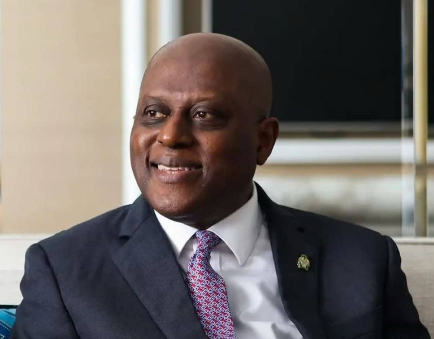
The development could shape the future of banking, payments, and investment in the country. With more young people embracing digital finance, CBN’s move under its Governor, Olayemi Cardoso aligns with broader strategy to strengthen financial system stability and bring more people to the financial services network.
Digital finance is growing rapidly across Nigeria, with millions of people now relying on mobile apps, online platforms, and digital currencies for everyday transactions. From sending money to paying for goods and services, the use of financial technology has expanded access to financial services, especially for young people and small businesses.
For instance, virtual assets, including cryptocurrencies and digital payment platforms, have become increasingly popular in Nigeria, especially among young people, freelancers, and small businesses looking for faster and more flexible ways to manage money.
Unlike traditional banking, where transactions are processed through banks and regulated institutions, virtual asset platforms allow users to send and receive money directly using mobile apps and online systems. Many Nigerians now use these platforms for cross-border payments, online purchases, savings, and even investment.
A small business owner in Lagos can receive payments from a customer abroad within minutes using digital platforms, without going through the delays often associated with traditional banking channels. Similarly, freelancers and remote workers increasingly rely on these systems to receive income from clients outside the country.
However, because many of these transactions take place online and often across different countries, they can be harder for regulators to track if proper monitoring systems are not in place. This creates a risk that such platforms could be used to move illegal funds, avoid taxes, or finance criminal activities.
It is this mix of opportunity and risk that has made virtual assets an important focus for regulators in Nigeria and across the world.
CBN’s position
For now, the message from the CBN is clear: innovation will continue to be supported, but it must be backed by strong systems that protect the financial system and the wider economy.
As Nigeria continues to navigate the challenges and opportunities of a digital economy, initiatives like this are expected to play a key role in building a financial system that is not only modern and inclusive but also secure and resilient.
CBN Governor, Olayemi Cardoso noted, that maintaining strong oversight is not just about meeting global standards, but about creating a stable foundation for long-term growth.
Industry watchers say the insights gathered from the CBN’s pilot programme are likely to shape the next phase of regulation for virtual assets in Nigeria, as authorities work towards building a more structured and transparent digital financial system.
They expect that the engagement with selected companies could lead to the introduction of clearer operational guidelines and possibly a formal licensing framework for virtual asset service providers in the near future. Such a framework would define how these companies operate, the standards they must meet, and the level of oversight required to ensure compliance.
Analysts also believe that the pilot could pave the way for broader regulations covering cryptocurrency transactions, cross-border digital payments, and the integration of virtual asset platforms into the mainstream banking system.
As digital finance continues to grow, there are increasing expectations that traditional banks and fintech companies will collaborate more closely, creating a more connected financial ecosystem that combines innovation with stability.
There are also indications that regulators may adopt more advanced digital monitoring tools to track transactions in real time, improve reporting systems, and strengthen cooperation with international partners.
The changing dynamics
The rapid growth has also raised concerns among regulators about the risk of abuse. Because many of these transactions happen online and across borders, they can be difficult to track if proper systems are not in place. This creates opportunities for money laundering, terrorism financing, and other illegal financial activities.
To address these risks, the apex bank has introduced a new Anti-Money Laundering, Counter-Financing of Terrorism, and Counter-Proliferation Financing supervision pilot programme focused on Virtual Asset Service Providers, also known as VASPs.
According to the CBN, the programme is part of a broader strategy to improve financial system stability and ensure that innovation in digital finance does not weaken regulatory control.
“This pilot forms part of the Bank’s risk-based supervisory programme and supports ongoing efforts to strengthen financial system stability and market integrity,” the bank said.
The regulator explained that the initiative is not a new law or a replacement for existing rules governing virtual assets in Nigeria. Instead, it is a structured engagement between the CBN and selected companies to better understand how the sector operates and where risks may exist.
“This pilot does not alter, replace or supersede the existing regulatory framework governing virtual assets in Nigeria,” the bank added.
At its core, the programme is designed to give regulators a clearer understanding of how digital finance companies operate, including their business models, customer management processes, and transaction systems.
Virtual asset service providers include companies that offer services related to digital payments, cryptocurrency trading, and other technology-driven financial solutions. In Nigeria, these platforms have become an important part of the financial ecosystem, helping to bridge gaps left by traditional banking systems.
For many Nigerians, especially those in underserved areas, fintech platforms provide easier access to financial services without the need to visit physical bank branches. They also support businesses by enabling faster payments and expanding access to global markets.
The role of oversight
But experts say that without proper oversight, these same platforms can be misused. Financial analysts say digital transactions, particularly those involving cryptocurrencies, can be attractive to criminals because they may offer a degree of anonymity and can be transferred quickly across borders.
This is why regulators around the world are paying closer attention to virtual assets, introducing stricter monitoring systems while trying to support innovation.
Nigeria’s latest move aligns with global efforts led by the Financial Action Task Force, which sets international standards for combating financial crimes.
One of the key areas of focus under the CBN pilot is compliance with the FATF “Travel Rule,” a global requirement that ensures important information about the sender and receiver of funds is captured and shared during transactions.
The rule is designed to make it easier for authorities to trace suspicious transactions and prevent the movement of illegal funds across borders.
“The Pilot also supports VASPs in strengthening their AML/CFT/CPF frameworks in line with emerging supervisory expectations, including requirements under FATF Recommendations,” the CBN said.
Participation in the programme is by invitation, with selected companies required to engage closely with the regulator in a structured environment.
The companies are expected to submit monthly reports on key compliance indicators, participate in supervisory meetings, and undergo detailed reviews of their operations.
These reviews will cover areas such as governance structures, customer onboarding processes, sanctions screening, transaction monitoring, and cross-border activities.
They are also required to present clear plans for implementing the FATF Travel Rule and improving their internal systems.
Despite this close engagement, the CBN made it clear that participation in the pilot does not amount to regulatory approval or licensing.
“Participation in the Pilot is strictly supervisory and does not confer any regulatory status, approval, licensing right, or authorisation,” the bank said.
The first group of companies selected for the pilot includes cNGN, Flutterwave, Juicyway, KoinKoin, KuCoin, and Paystack.
The selected companies represent key segments of Nigeria’s growing digital finance ecosystem, each playing a different role in how money moves within and outside the country.
Flutterwave and Paystack are widely known for providing payment solutions that allow businesses to accept payments online and across borders, supporting thousands of small and medium-sized enterprises.
KuCoin operates as a global cryptocurrency exchange, enabling users to buy, sell, and trade digital currencies, while also facilitating cross-border transfers that are often faster than traditional banking channels.
Other participants such as cNGN, Juicyway, and KoinKoin are involved in different aspects of digital finance, including payment processing, liquidity solutions, and virtual asset services, reflecting the diversity of Nigeria’s fintech space.
Making digital finance safer
On one hand, stronger oversight by the Central Bank of Nigeria could make digital transactions safer by reducing the chances of fraud, scams, and unauthorised transfers. With companies required to improve how they monitor transactions and verify users, customers may benefit from better protection of their funds.
Exit from FATF grey list
Four months ago, the Governor of the Central Bank of Nigeria, Olayemi Cardoso, described the development as one of the country’s most important economic achievements.
According to him, remaining on the list could have cost Nigeria more than $30 billion in potential investment within a single year.
“Countries placed on the FATF grey list typically experience a sharp drop in capital inflows, about 7.6 percent of GDP in the first year. For Nigeria, that translates to over $30 billion in potential investment,” Cardoso said.
He explained that Nigeria’s removal from the list has already improved investor confidence and made it easier for banks to carry out international transactions.
“Exiting the list restores investor confidence and eases compliance challenges for correspondent banks,” he added.
The post CBN leverages digital finance to expand access to financial services appeared first on Vanguard News.

By Yinka Kolawole
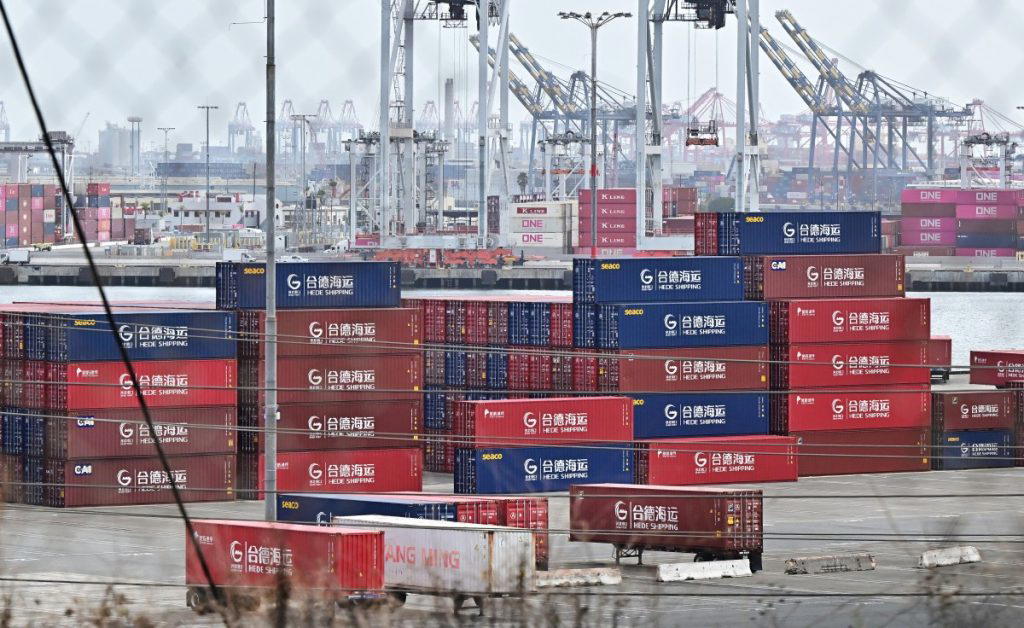
Foreign investment into Nigeria’s production and manufacturing sector declined sharply by 50.7 percent quarter-on-quarter to $152.27 million in the first quarter of 2026 (Q1’26), down from $308.93 million recorded in the preceding quarter (Q4’25), according to the latest Capital Importation Report released by the National Bureau of Statistics (NBS).
The report revealed that the sector accounted for only 1.47 per cent of the total capital importation valued at $10.37 billion recorded during the review period, highlighting the continued struggle to attract significant foreign capital into the productive segment of the economy.
However, on a year-on-year basis, foreign investment in the sector rose by 17.2 per cent from $129.92 million recorded in the corresponding period of 2025 (Q1’25).
Further analysis of the NBS data showed that the manufacturing sector’s share of total capital inflows has continued to shrink. The 1.47 per cent contribution recorded in Q1’26 was lower than the 2.3 per cent recorded in Q1’25 and significantly below the 4.79 per cent posted in Q4’25.
The report indicated that portfolio investment remained the dominant source of foreign capital, accounting for $9.86 billion or 95.09 per cent of total inflows during the quarter. Other Investments contributed $374.48 million, representing 3.61 per cent, while Foreign Direct Investment (FDI) amounted to $135.08 million, accounting for just 1.30 per cent of total capital imported into the economy.
Sectoral distribution of the inflows showed that the banking sector attracted the largest share of foreign capital, receiving $7.55 billion or 72.79 per cent of total inflows. The financing sector followed with $2.43 billion, representing 23.42 per cent, while production and manufacturing attracted only $152.27 million.
Reacting to the development, Chief Executive Officer of the Centre for the Promotion of Private Enterprise (CPPE), Dr. Muda Yusuf, said the pattern of capital inflows reflects a persistent structural weakness in the economy, noting that increased foreign capital is yet to translate into meaningful expansion of productive capacity.
He stated: “Without stronger capital flows into industry, agro-processing, logistics, energy and export-oriented manufacturing, the broader economy will see limited gains in employment, productivity and inclusive growth.
“Financial deepening without real-sector expansion risks creating a liquidity-driven recovery that does not fundamentally alter Nigeria’s productive base.”
The post Foreign investment in manufacturing slumps 50.7% to $152m in Q1’26 appeared first on Vanguard News.


By Progress Godfrey
Nigeria recorded a 91 per cent, year-on-year, YoY increase in trade surplus to N7.55 trillion in the first quarter of 2026, Q1’26 from N3.95 trillion in the same period of 2025, Q1’25, driven by a sharp decline in imports and a modest rise in exports.
The National Bureau of Statistics (NBS) disclosed this yesterday in the Foreign Trade in Goods for Q1’26.
The report showed that total trade fell by 6.48 per cent, YoY to N34.79 trillion in Q1’26 from N37.24 trillion in Q1’25.
The sharp increase in trade surplus and decline in total trade in Q1’26 was driven by an 18.6 per cent, YoY decline in imports and a 2.77 per cent, YoY increase in exports.
According to the NBS, the value of total imports stood at N13.62 trillion in the quarter of 2026, representing a 18.17% decrease from the value recorded in the corresponding quarter of 2025 (N16.64 trillion) and a 21.05% decrease compared to the value recorded in Q4 2025 (N17.25 trillion).
On the other hand, total exports rose to N21.17 trillion in Q1’26, up 2.77 per cent from N20.60 trillion in Q1’25 and 11.63 per cent higher than N18.96 trillion in Q4’25.
Agricultural imports were valued at N827.72 billion, down 20.09 per cent YoY and 42.39 per cent QoQ, while raw material imports fell to N1.58 trillion, a 12.63 per cent decline from Q1’25 and 32.72 per cent lower than Q4’25.
Agricultural exports fell to N1.17 trillion, down 31.20 per cent year-on-year and 11.39 per cent quarter-on-quarter, while raw material exports increased to N1.53 trillion, reflecting strong growth in industrial inputs.
The NBS stated: “In Q1 2026, Nigeria’s top five trading export partners were India, France, The Netherlands, Spain, and The United States of America. The most exported commodities were crude oil, natural gas, Urea, whether or not in aqueous solution, other petroleum gases in a gaseous state, and kerosene-type jet fuel.
“In the same period, the value of raw material exports stood at N1,533.75billion, representing a rise of 46.83% from N1,044.59billion in Q1 2025 and a 28.62% increase from N1,192.49 billion in Q4 2025,” the statistics agency added.
Crude oil exports were valued at N11.20 trillion, though this represented a decline of 13.53 per cent YoY despite a 15.45 per cent rebound from Q4’25. Other oil product exports rose sharply to N6,78 trillion, supported by stronger global demand.
The post Nigeria’s trade surplus rises 91% to N7.55trn in Q1’26 appeared first on Vanguard News.


The Federal Government and six state governments have urged investors at the ongoing Invest in Lagos 3.0 Summit to channel funds into critical sectors, promising attractive returns and improved business conditions.
The summit, themed “Lagos: The Business Gateway to Africa,” featured presentations from representatives of the Presidency and the governors of Lagos, Imo, Abia, Plateau, Taraba and Nasarawa states.
Minister of Finance, Dr. Taiwo Oyedele, assured investors of the Federal Government’s commitment to creating a conducive business environment through ongoing fiscal reforms. He said the new tax law has eliminated multiple taxation, improved compliance and provided relief for small and medium enterprises. He added that stamp duty collection has been transferred to state governments and commended states that have adopted harmonised tax systems.
Oyedele told the more than 600 delegates—including global institutions, sovereign wealth funds, development finance institutions and trade networks—that the government remains committed to building a $1 trillion economy through supportive fiscal and monetary policies.
Lagos State Governor, Babajide Sanwo-Olu, called for increased private sector investment in rail transport, energy, agriculture, agro-processing and water infrastructure. He said addressing transportation challenges would unlock Lagos’ economic potential, reduce travel time, boost productivity and improve returns on investment.
Abia State Governor, Dr. Alex Otti, said his administration is redesigning Aba and major business clusters to harness the entrepreneurial strengths of residents. Imo State Governor, Hope Uzodinma, highlighted efforts to address infrastructure deficits and drive industrialisation, while Nasarawa State Governor, Abdullahi Sule, promoted investment opportunities in agriculture and urban development, leveraging the state’s proximity to Abuja.
The post FG, 6 states woo investors at ‘Invest in Lagos 3.0’ Summit appeared first on Vanguard News.


You’re looking for campaign funds — Okonkwo reacts to Obi’s N5bn defamation suit

Toto Wolff Starting to ‘Question’ George Russell’s Future at Mercedes

Police bust drug dealer, armed robbery syndicate in Katsina

Simi Sanya and Femi Dapson Are Now Legally Married and It Is Beautiful to See

FCT Area Council Election: Live results from polling units

Premier League Set-Piece Goals (2025/2026)
-
 Sports2 days ago
Denmark FA Announce Special Measures For Players After Christian Eriksen Collapses
-
 Sports2 days ago
FIFA Referee ‘Denied Entry’ into the US Ahead of 2026 World Cup
-
 Sports23 hours ago
Ian Wright’s Reaction to Ref Being Denied Entry to the US Goes Viral
-
 Sports16 hours ago
Simon Jordan Defends the US Decision to Ban World Cup Referee
-
 Sports2 days ago
George Russell’s Mercedes Contract Could Soon Be ‘Void’
-
 Sports2 days ago
Iran World Cup Stars Arrive in the US With ‘168’ Pinned to Shirts
-

 Sports2 days ago
Tyson Fury’s Final Opponent Before Facing Anthony Joshua ‘Leaked’
-
 Sports2 days ago
Lewis Hamilton Seriously Slammed For ‘Hypocritical’ Billionaire Comments