
Entertainment
Funke Akindele Announces New Film ‘The Four: No One Fights Alone’ for December 2026 Release


Funke Akindele is set to return to cinemas with a new feature film, The Four: No One Fights Alone, which is scheduled to arrive in cinemas worldwide on December 11, 2026.
The upcoming movie comes from Funke Akindele Network (FAAN TV) and will be distributed by FilmOne Entertainment. It follows another successful chapter in Akindele’s career as an actress, filmmaker and producer, with her previous projects helping to strengthen her position as one of the biggest commercial forces in Nigerian cinema.
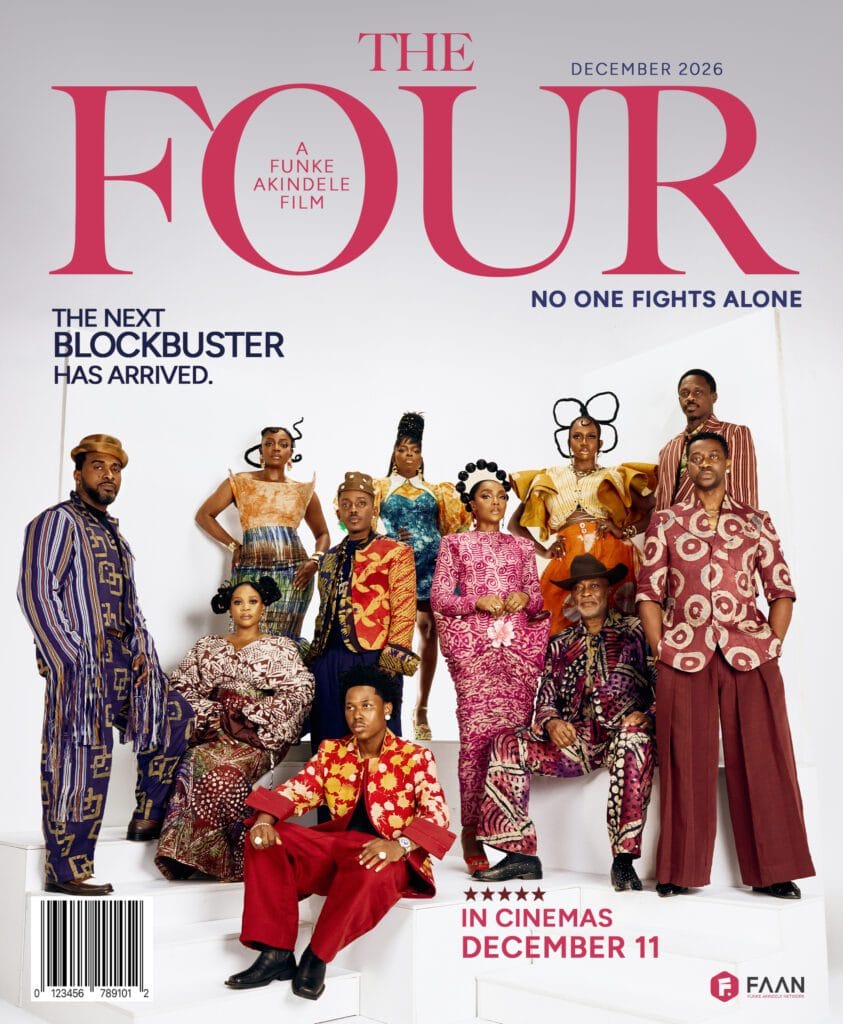
The Four: No One Fights Alone is described as an emotional story about friendship, motherhood, resilience and the strength women can find in one another.
The film centres on Esosa and three women who share a deep bond with her as they come together to fight for the future of a young man they love. What begins as a shared mission soon puts their courage, loyalty and faith to the test, forcing them to confront challenges that push them beyond their limits.
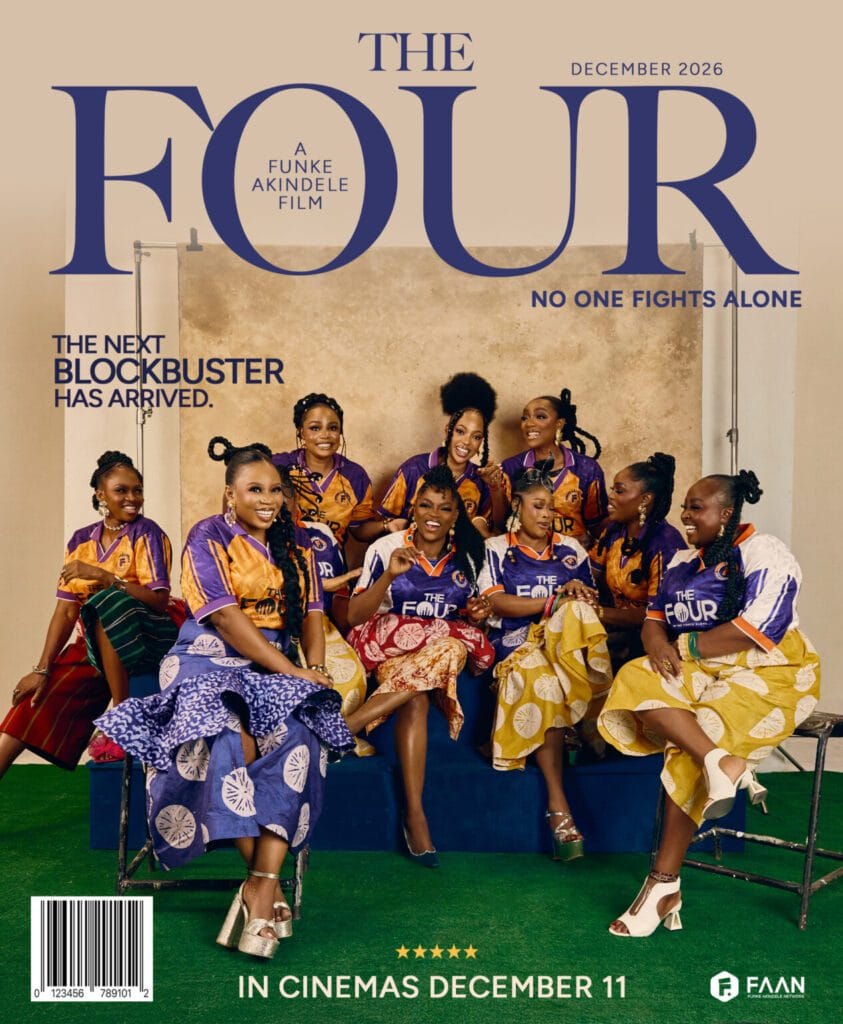
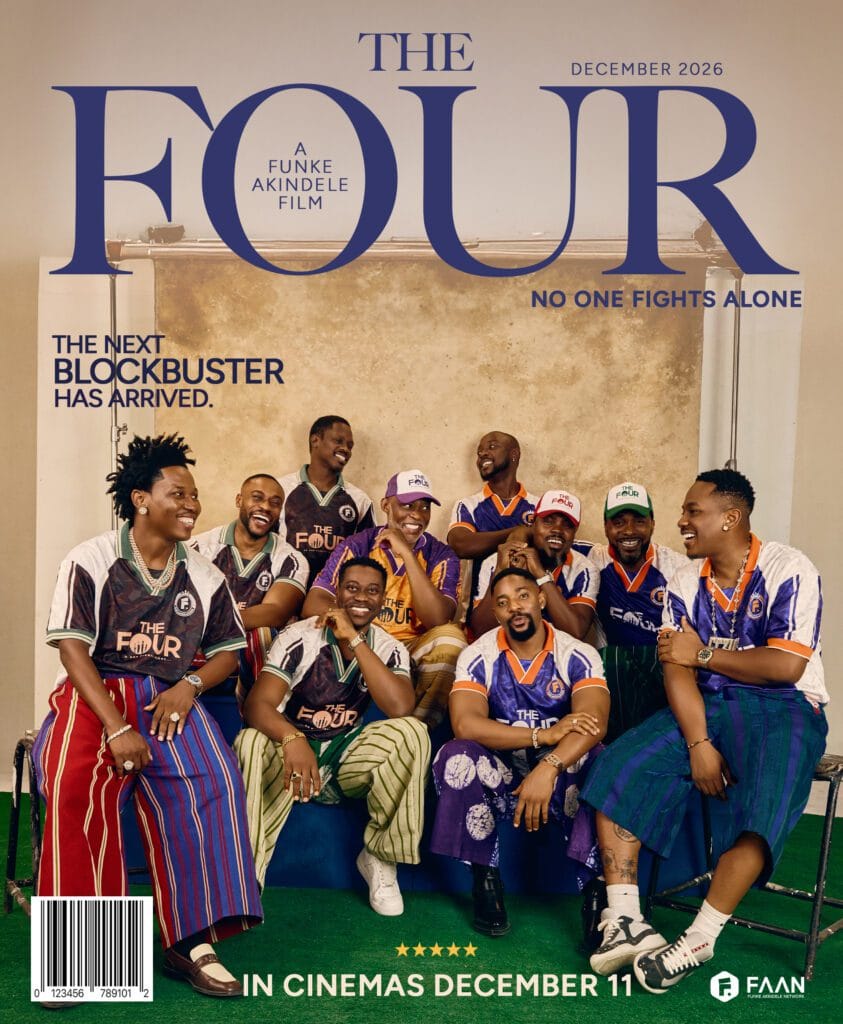
Moving between the Odu Community and the city, the film blends drama with elements of Nigerian culture, incorporating music, fashion, language and tradition into its storytelling. Its story explores themes of sacrifice, hope and unity while highlighting the power of women standing together during difficult moments.
The movie also boasts an impressive ensemble cast featuring some of Nollywood’s most recognisable names, including Funke Akindele, Bisola Aiyeola, Chioma Akpotha, Richard Mofe-Damijo (RMD), Timini Egbuson, Lateef Adedimeji, Ali Nuhu, Uzor Arukwe, Ronke Oshodi Oke, Antar Laniyan and Wunmi Toriola.
Award-winning singer Waje and Afrobeats artiste Shoday are also part of the cast, alongside entertainment personalities Samuel Banks, Kolapo Omotosho and Ayomide Iwasokun.
With its star-studded cast and a story centred on friendship, family and resilience, The Four: No One Fights Alone is shaping up to be one of the major Nigerian cinema releases to watch in 2026.

The film will be released globally in cinemas on December 11, 2026.
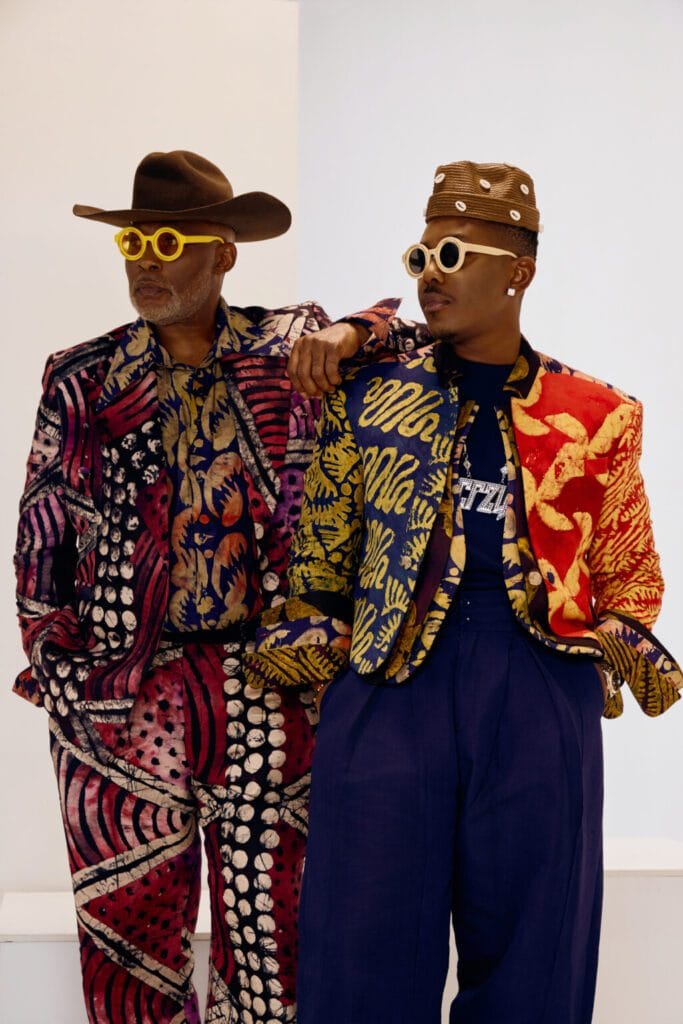
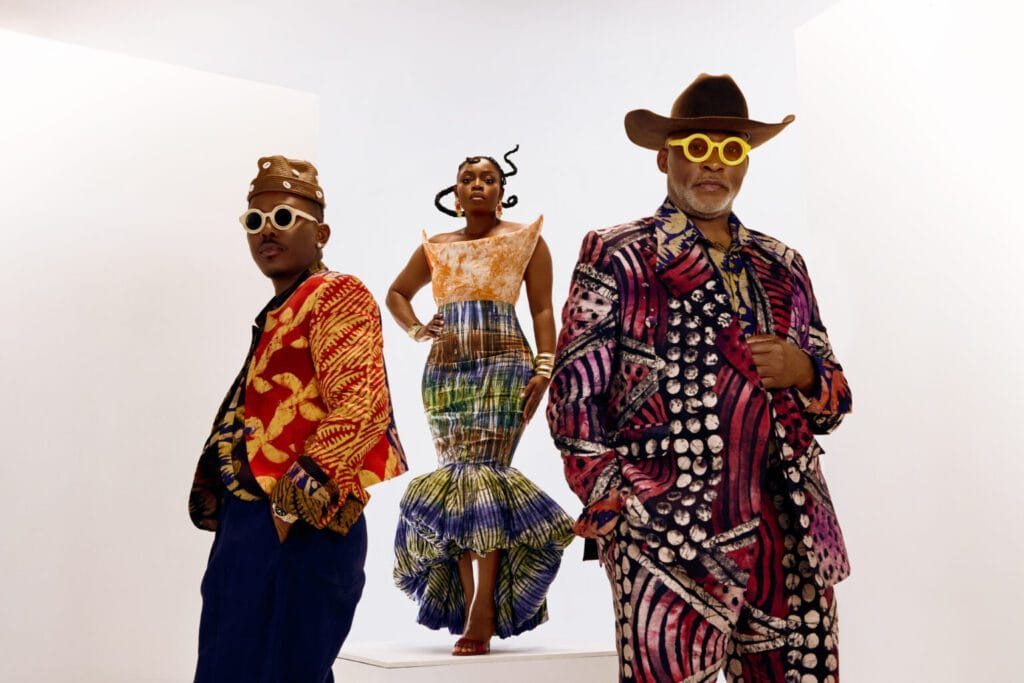
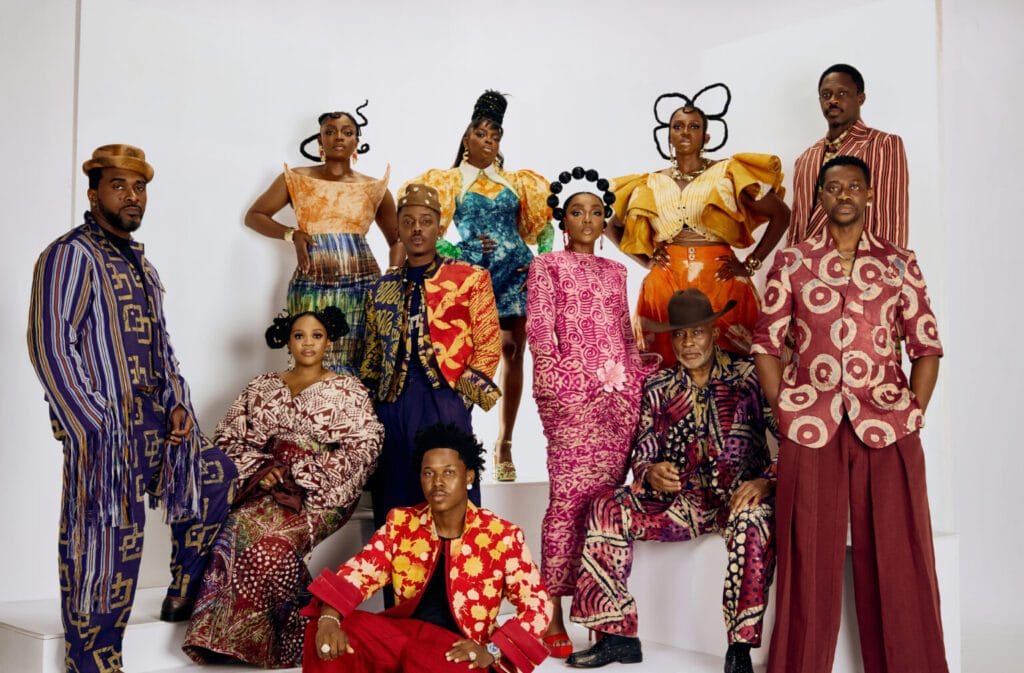
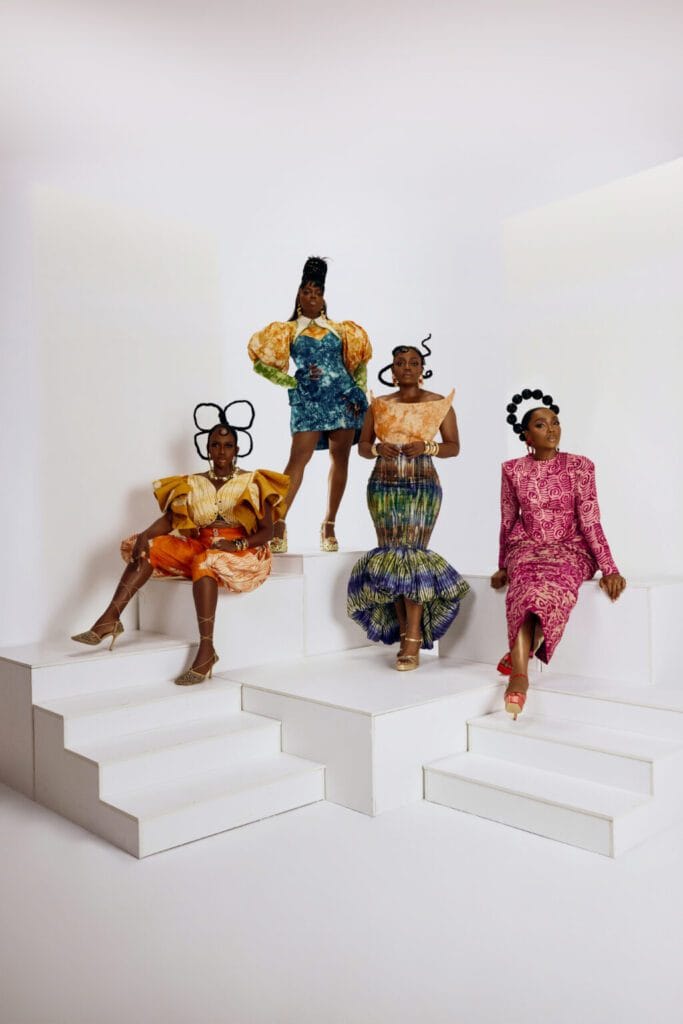
The Four: No One Fights Alone adds another major project to Funke Akindele’s growing filmography. Over the years, she has continued to build a strong presence behind and in front of the camera with films including Omo Ghetto: The Saga, A Tribe Called Judah, Battle on Buka Street, Chief Daddy 2: Going for Broke, She Must Be Obeyed, and Everybody Loves Jenifa.
Her recent projects have also cemented her reputation as one of Nollywood’s most commercially successful filmmakers, with A Tribe Called Judah making history as the first Nigerian film to surpass ₦1 billion at the domestic box office. Everybody Loves Jenifa, released in 2024, went on to break even more box-office records, further establishing Akindele as one of the biggest names in contemporary Nigerian cinema.
Now, with The Four: No One Fights Alone, Akindele is preparing to return to the big screen with another story built around family, friendship, resilience and the strength of women.
Entertainment
BEAUTY IN BLACK: Olanrewaju Aroworayi Explores African Identity Through a Contemporary Unisex Lens

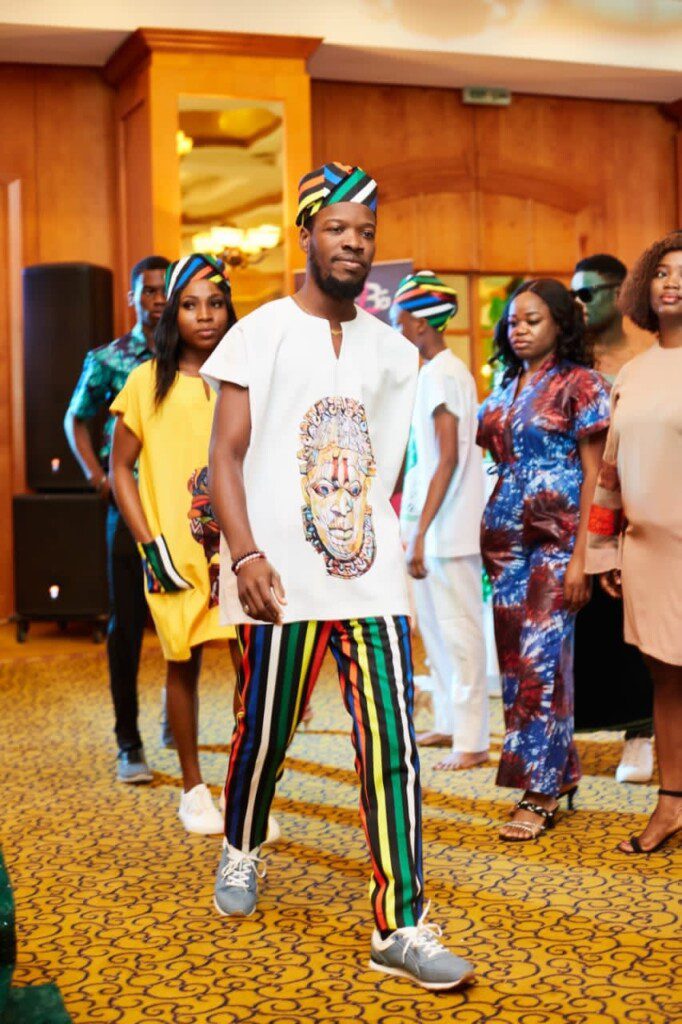
On October 1, 2022, at the Carlton Palace Hotel in Deira, Dubai, Nigerian fashion designer Olanrewaju Aroworayi presented BEAUTY IN BLACK, a unisex collection showcased as part of Nigeria’s 62nd Independence anniversary celebrations. The presentation brought together African-inspired textiles, vivid colour, relaxed tailoring and contemporary silhouettes in an attempt to position Nigerian fashion within a more international visual vocabulary.
What makes BEAUTY IN BLACK particularly interesting is that Aroworayi does not approach African fashion through a strictly traditional lens. Instead, the collection experiments with how recognisable African colour, print and textile language can coexist with silhouettes that feel more contemporary and accessible beyond the continent.
A confident and unconventional colour story
Colour is one of the strongest elements of the collection.
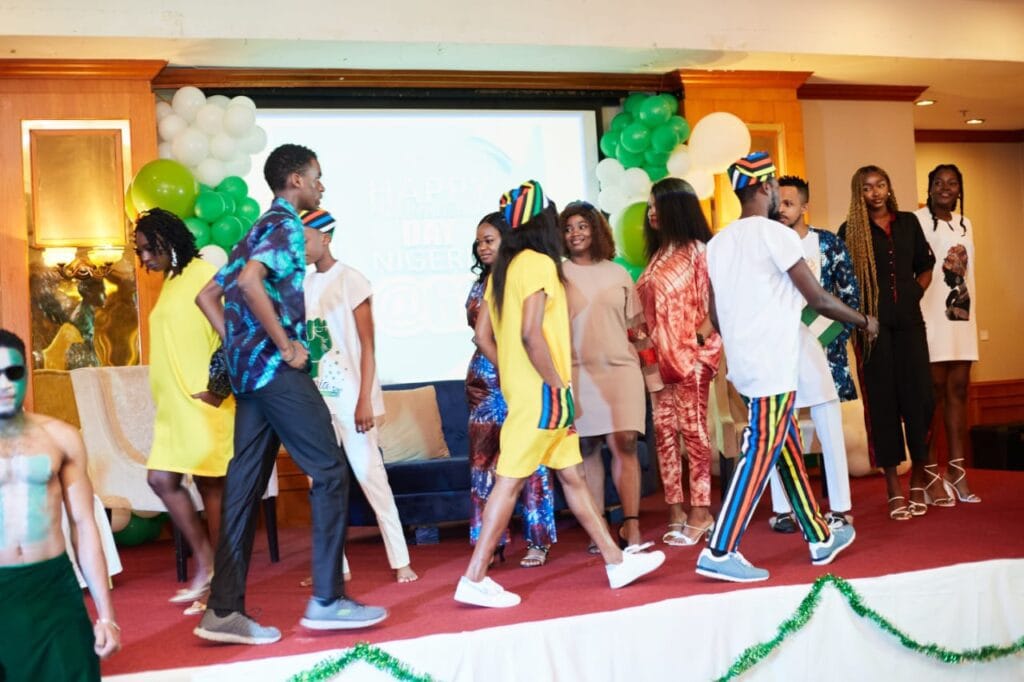
Rather than restricting the palette to literal interpretations of black, Aroworayi allows vivid yellow, green, blue, red, white and multicoloured prints to compete for attention. The result is energetic and distinctly African without becoming visually predictable.
The use of saturated yellow and green is particularly effective in communicating optimism and cultural vibrancy, while the blue-based prints introduce a cooler visual counterpoint. Multicoloured striped elements add movement and youthfulness to the collection.
There is, however, an interesting tension between the collection’s title, BEAUTY IN BLACK, and its highly expressive colour palette. Rather than reading “black” simply as a colour, the collection can be interpreted through Black identity, African creativity and the beauty of African self-expression. That distinction gives the title greater conceptual potential.
African prints without being trapped by tradition.
Aroworayi’s strongest design decision is arguably his refusal to treat African textiles as something that must remain within conventional silhouettes.
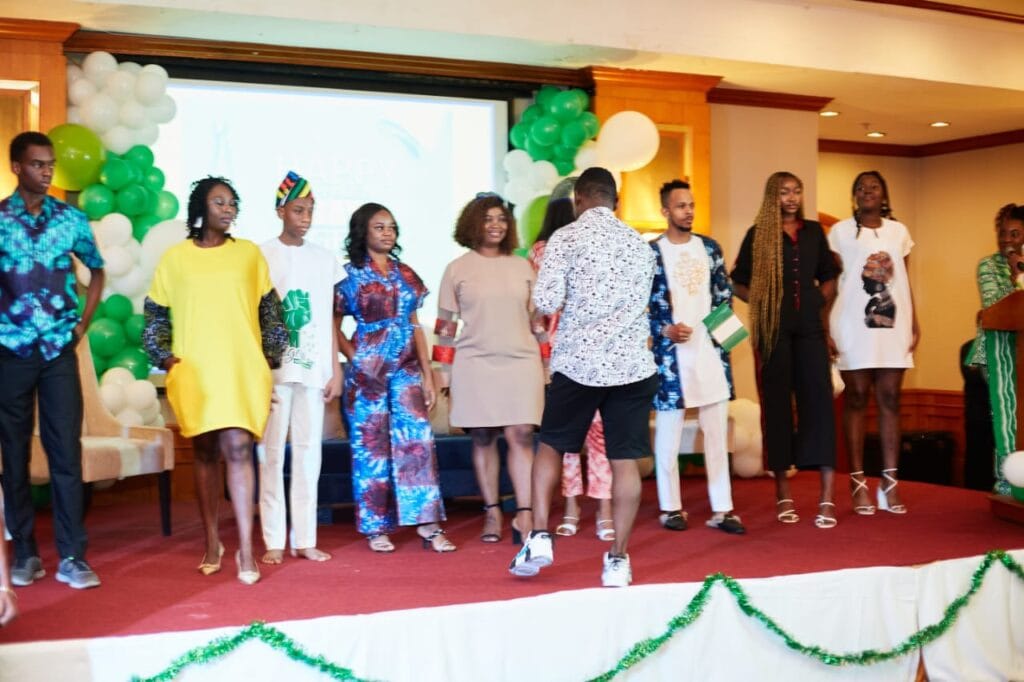
The collection takes recognisable African-inspired prints and places them into modern dresses, coordinated separates, trousers, shirts and relaxed forms. This creates a bridge between heritage and contemporary fashion.
The silhouettes are particularly significant because they make the collection accessible to a younger and more internationally minded audience. Instead of relying entirely on traditional Nigerian garments to communicate identity, Aroworayi allows the fabric, colour and styling to carry much of the cultural narrative.
This is consistent with GlamCityz’s contemporary description of his work at the exhibition as a fusion of African and Western styles, highlighting bold prints and modern silhouettes.
The unisex proposition
The decision to present BEAUTY IN BLACK as a unisex collection is another important aspect of Aroworayi’s approach.
Several of the looks demonstrate how African prints can move between masculine and feminine styling without losing their identity. The use of trousers, shirts, loose-fitting garments and coordinated separates creates a degree of flexibility that challenges the idea that African fashion must be divided rigidly between menswear and womenswear.
This approach also gives the collection commercial potential. Contemporary global fashion increasingly values garments that can communicate identity while allowing individual interpretation, and Aroworayi’s collection participates in that conversation through an African design vocabulary.
Silhouette and movement
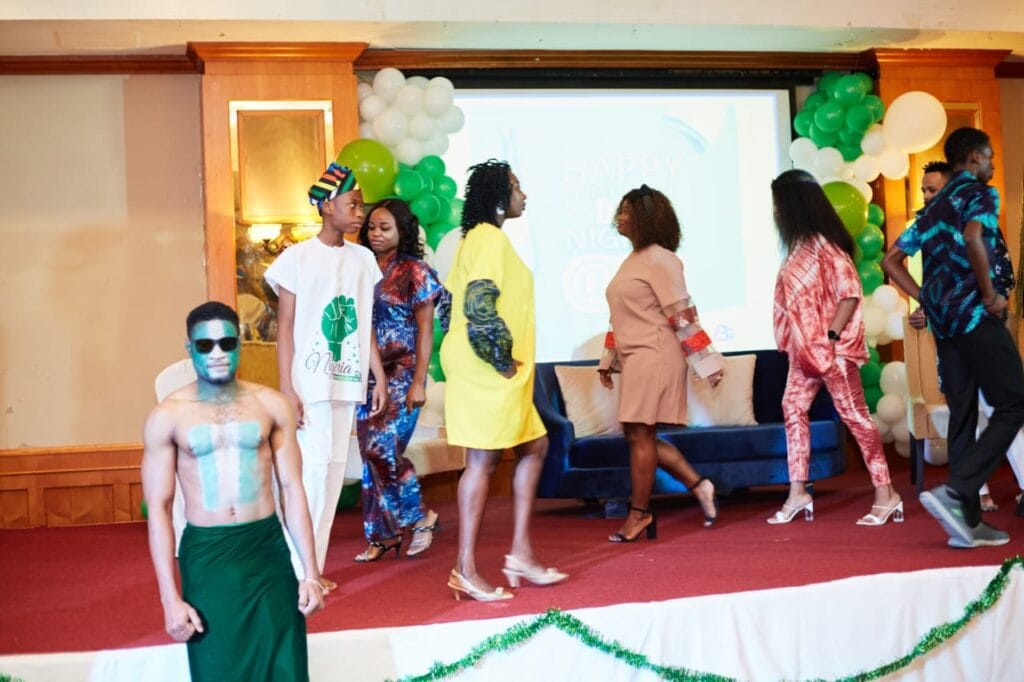
The silhouettes favour ease, movement and wearability rather than excessive structural complexity. This is particularly visible in the relaxed dresses and trouser-based looks.
There is a deliberate contrast between the strength of the prints and the relative simplicity of some of the silhouettes. This is an effective choice because overly complicated construction could compete with the textiles themselves.
From a critical standpoint, however, some looks could benefit from greater variation in proportion and stronger styling differentiation. The collection sometimes allows the prints to become the dominant visual event, while more dramatic manipulation of shape could have pushed the editorial impact further.
That said, the restraint also demonstrates an understanding of an important design principle: not every element needs to compete for attention.
Cultural identity meets international fashion
Perhaps the most successful aspect of BEAUTY IN BLACK is its attempt to make African fashion understandable to an international audience without completely removing its cultural identity.
The collection does not simply reproduce traditional Nigerian clothing. Instead, it asks how Nigerian visual culture can be translated into contemporary fashion.
That question is increasingly important for African designers operating internationally.
Aroworayi’s presentation in Dubai is significant in this context. Dubai provided an international setting in which Nigerian design could be viewed outside its home market, while the collection itself attempted to communicate Nigerian identity through a combination of print, colour, silhouette and styling. The original GlamCityz coverage similarly described the exhibition as a meeting point between traditional Nigerian patterns and fabrics and contemporary Western fashion.
A collection with room to evolve
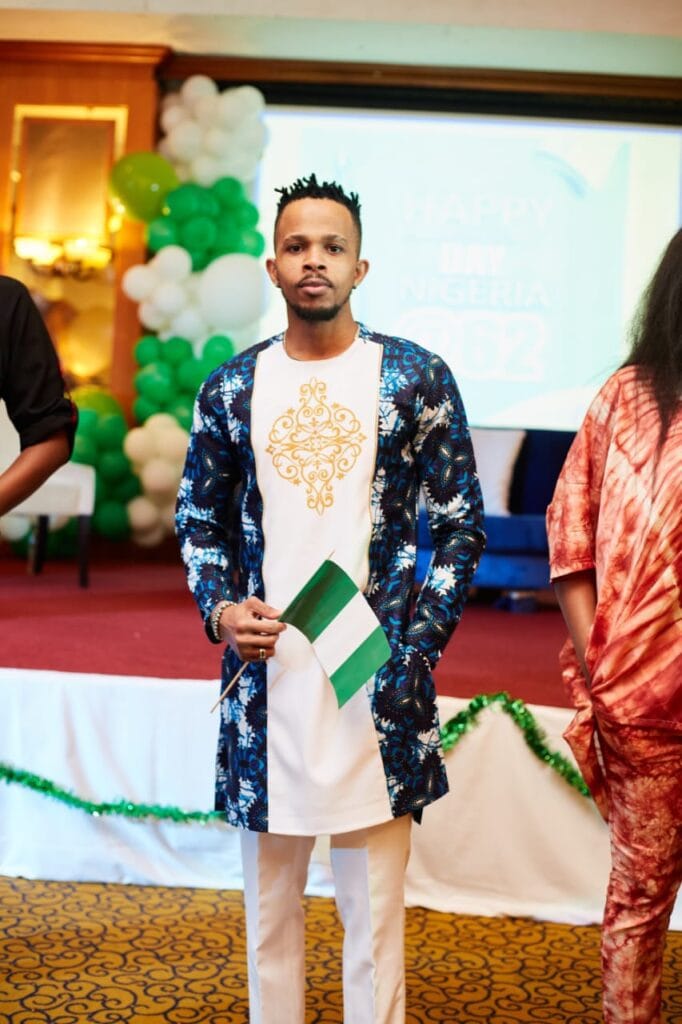
BEAUTY IN BLACK is not without areas for development. The presentation could have benefited from a more tightly controlled runway narrative, particularly in the relationship between styling, model presentation and individual looks. Some of the strongest garments might also have benefited from more focused visual framing.
But those observations do not diminish the central achievement of the collection.
Aroworayi demonstrates an ability to translate African cultural references into contemporary, wearable and gender-inclusive fashion, rather than simply reproducing established traditional forms.
More importantly, BEAUTY IN BLACK reveals a designer interested in the larger question of what African fashion can become when it enters an international environment.
The collection’s greatest strength is therefore not any single garment. It is the conversation between culture and contemporary design.
Presented in Dubai on Nigeria’s Independence Day, BEAUTY IN BLACK offered a visual statement that African fashion can retain its cultural identity while continuing to evolve, experiment and participate in the language of global fashion.
For Aroworayi, the collection was not simply about dressing the African body. It was about asking how African identity can be designed, interpreted and worn in a changing global fashion landscape.
Sponsored Content

The smiles in Simi and Adekunle Gold’s latest family photos say a lot. Their son, Adeifemi Oba Ajani Kosoko, has been dedicated to God, giving the couple another beautiful reason to celebrate their growing family.
Simi made the moment even more special with the words she shared alongside the photos. She called her son her “Jesus Baby” and offered a heartfelt prayer over his life.
She asked God to keep him under His care and let His face shine upon him. She prayed for his body, mind, spirit and soul, asking for good health, peace and joy as he grows. There was also a softer, more playful side to the caption as she called him her “Fresh Prince,” “My lil Champ” and “My baby boy.”
Those words say a lot about how she sees him. He is her little boy, her champion and, most importantly, a child she wants to grow under God’s protection. This dedication also brings back the sweet way Simi and Adekunle Gold announced that they were expecting another child.
In December 2025, the couple revealed the pregnancy through Adekunle Gold’s My Love Is The Same music video. Simi appeared with her baby bump, while their daughter, Adejare, was also part of the special reveal. It was a beautiful way to announce that Adejare was about to become a big sister.
The all-white theme made the dedication photos even more striking. Adekunle Gold went for a flowing white agbada, styled with matching trousers and a white Yoruba cap. The embroidery across the front added detail to the outfit without taking away from its clean look. His dark sunglasses gave the traditional outfit a relaxed, modern finish, while the wide agbada sleeves kept the look classic.
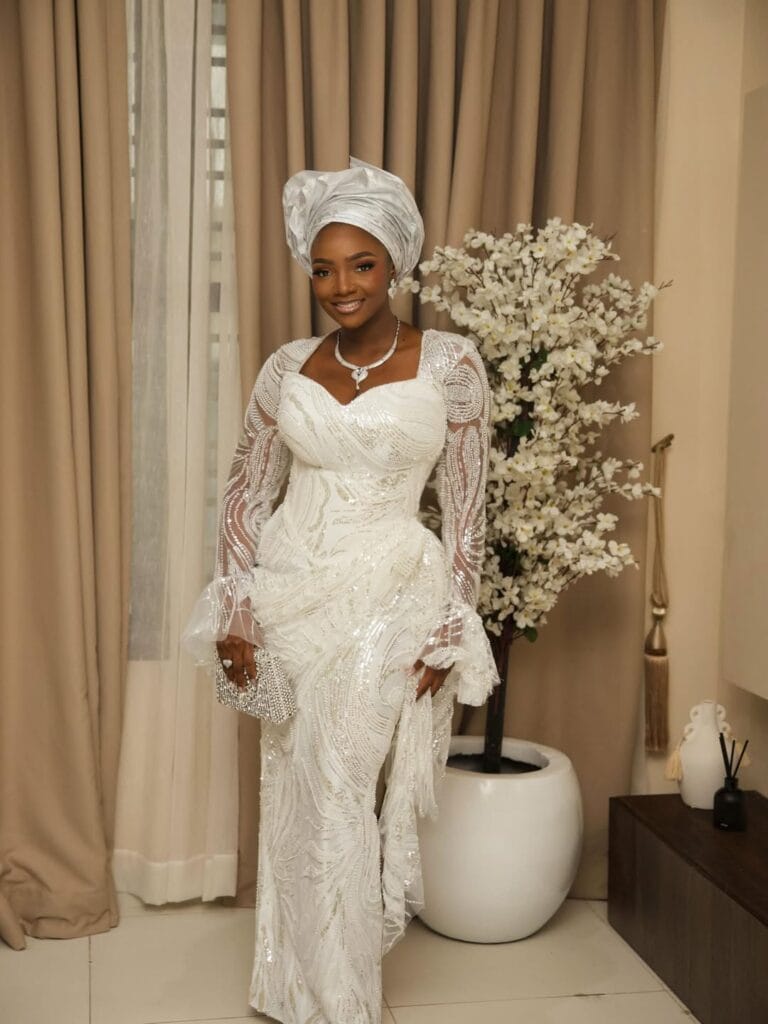
Simi chose a more glamorous take on the colour. Her fitted white gown was covered in sparkling beadwork, with detailed patterns running across the bodice, sleeves and length of the dress. The sheer sleeves added a delicate touch, while the fitted shape gave the look a polished finish.
Her large white headwrap gave the outfit that unmistakable Nigerian traditional feel and framed her face beautifully. She completed the look with sparkling earrings, a detailed clutch and silver-toned shoes.
Adekunle gave us traditional agbada elegance. Simi brought the sparkle. And together, they looked every inch like proud parents celebrating their little boy.
But beyond the fashion, the dedication carries a bigger meaning. This is the same family that announced they were expecting another baby months ago. Now he has been dedicated to God, surrounded by his parents and big sister, with prayers spoken over the life ahead of him.
Adeifemi’s dedication may have come with beautiful clothes and lovely pictures, but at the heart of it was something much simpler, a family grateful for their little boy.
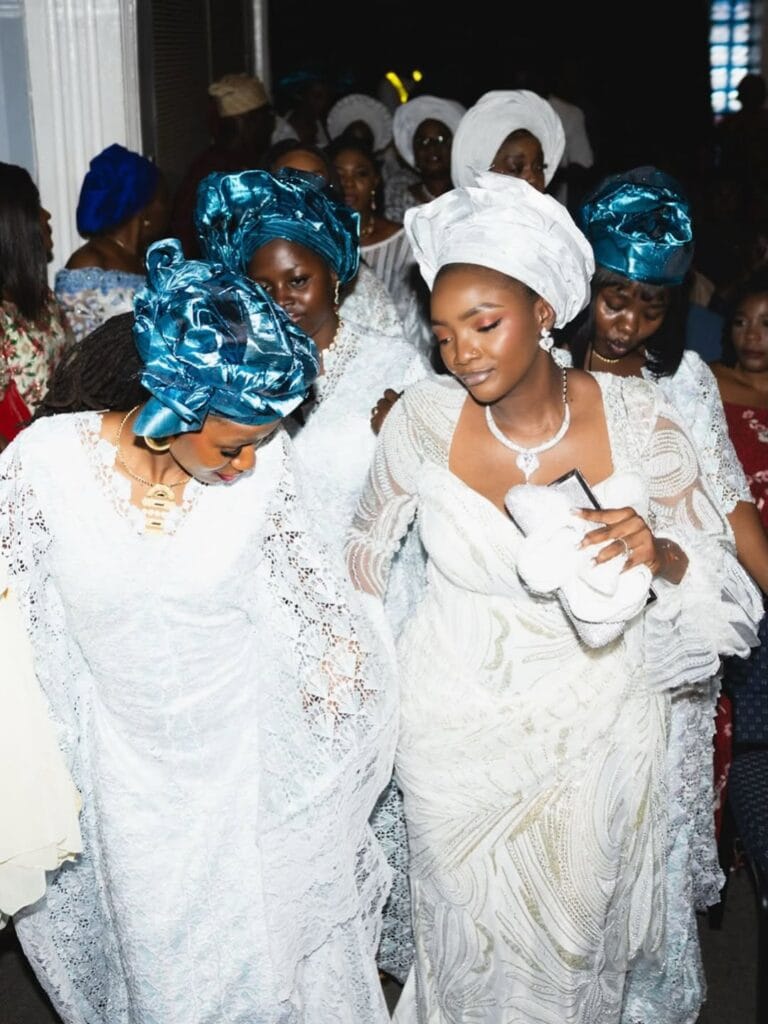
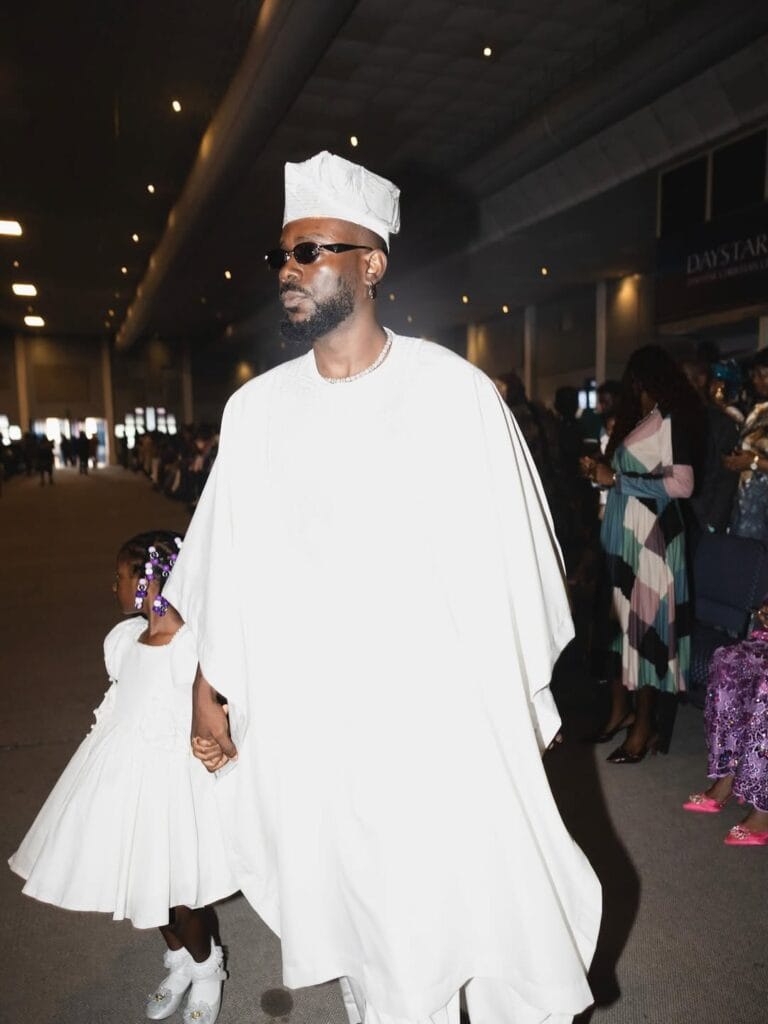
Photo: @symplysimi | Instagram

Davido is keeping the momentum behind his latest album Oriadé with the release of the music video for “B4 B4,” one of the standout tracks from the project.
Released on July 31, 2026, Oriadé is Davido’s sixth studio album and marks 15 years of his journey in music. The 13-track project explores themes of identity, legacy, growth and his Yoruba roots, with guest appearances from artists including Black Sherif, Aya Nakamura, Leon Thomas and Llona.
“B4 B4” brings together Davido, former DMW signee Mayorkun and rising Nigerian singer Fola, with the song reflecting on how much life has changed from their early days to where they are today.
Directed by Perliks Definition and produced by Nouvelle Films, the music video leans heavily into Yoruba culture, creating a visual that feels both traditional and contemporary.
The video opens in a sunlit courtyard surrounded by brick buildings, with women dressed in traditional indigo Adire outfits preparing food and grinding peppers with wooden mortars. Traditional drummers and dancers add to the atmosphere, immediately setting the tone for the cultural story behind the song.
The visuals later move into a grand palace setting decorated with clay walls, woven mats and colourful hanging fabrics. The setting provides the perfect backdrop for the artists, while fashion plays an important role throughout the video.
Davido appears in an oversized blue-and-white tie-dye top paired with white trousers, giving his look a relaxed but striking feel. Mayorkun, meanwhile, takes a more tailored approach, wearing a black suit layered with a textured green jacket.
Beyond the music, the video celebrates Yoruba heritage while reflecting the themes of growth and gratitude at the heart of “B4 B4.” The combination of traditional settings, cultural details and contemporary fashion gives the visual its own distinct identity.
With Davido, Mayorkun and Fola bringing their different sounds together, “B4 B4” adds another memorable chapter to the Oriadé era.
Watch Davido’s “B4 B4” featuring Mayorkun and Fola below.


NGX market reverses gains, loses N1.17trn on sell-offs
Funke Akindele Announces New Film ‘The Four: No One Fights Alone’ for December 2026 Release

Adeleke to IGP: Arrest, prosecute Osun senator over alleged threat to kill Accord members

Meaning Behind Egypt Manager’s ‘X’ Gesture vs Argentina

Premier League Set-Piece Goals (2025/2026)

Simi Sanya and Femi Dapson Are Now Legally Married and It Is Beautiful to See
-
Entertainment1 day ago
Davido Releases “B4 B4” Music Video Featuring Mayorkun and Fola
-
 Metro14 hours ago
10 police officers, 17 suspected bandits killed in Kebbi clash
-
 Sports1 day ago
Rangers In Talks to Sign Aston Villa Star Kosta Nedeljkovic
-
 Entertainment1 day ago
Ebuka’s BBNaija Live Eviction Outfit Is a Masterclass in Modern Menswea
-
 Sports1 day ago
Man Utd Eyeing Move to Sign David Raum, He’s Agreed to Join
-
 Entertainment1 day ago
Alára Named One of the Best Fashion Stores in the World
-
 Sports2 days ago
Man Utd Target Crystal Palace’s Adam Wharton This Summer
-
 Sports1 day ago
What Jeff Bezos £1.35Bn Investment Means On and Off The Pitch