
Entertainment
This Ankara Look Is Too Good to Stay Off Your Mood Board


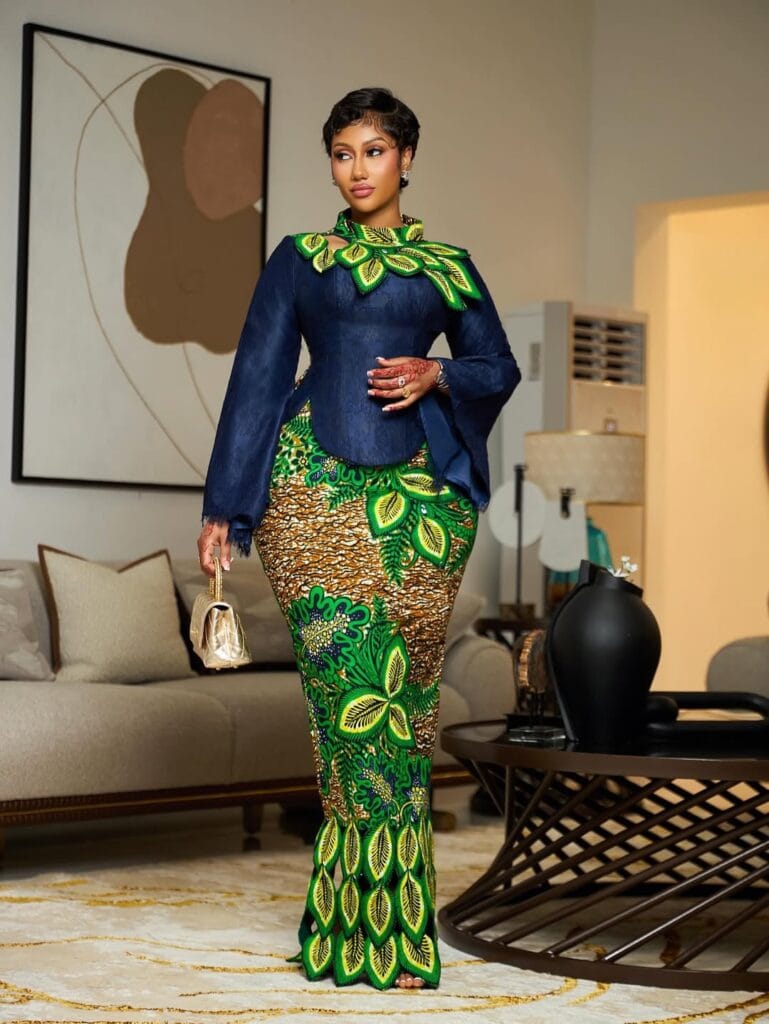
Ankara has remained a fashion favorite for generations because it offers something few fabrics can, endless room for creativity. Beyond its vibrant colors, it is the patterns, motifs, and artistic details that allow designers to tell stories, create visual interest, and turn fabric into wearable art. When those patterns are thoughtfully placed, an Ankara outfit becomes more than just clothing; it becomes a statement.
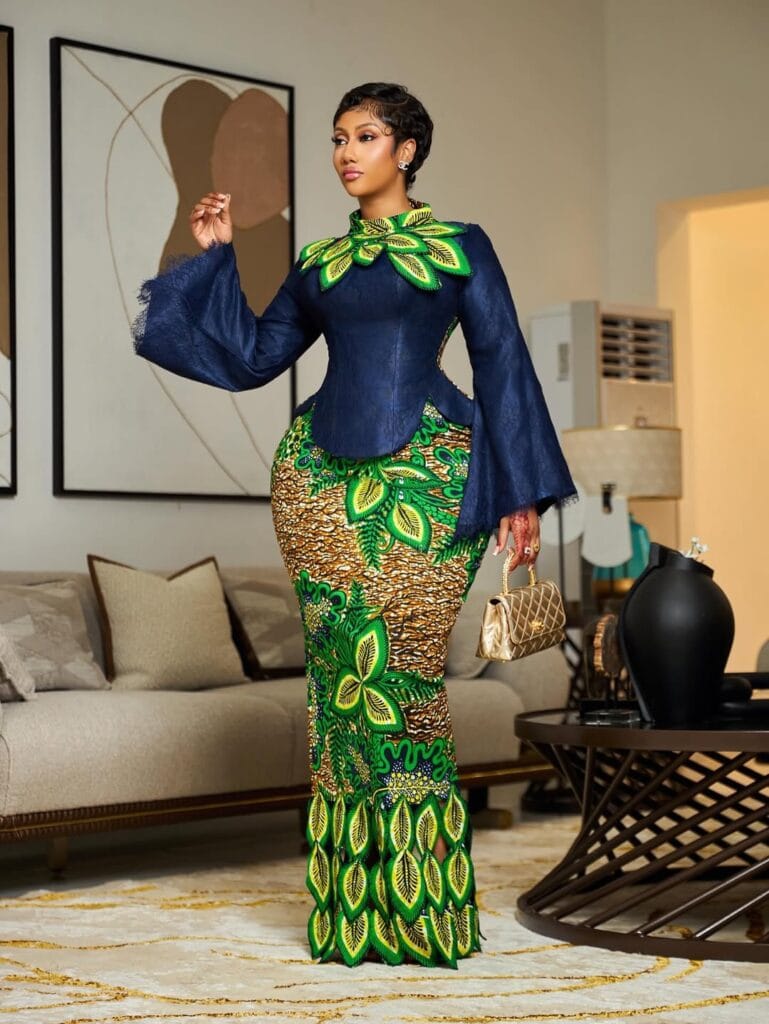
This look is a perfect example of that artistry in action. Instead of the usual embellishments, the design allows the Ankara pattern to shape the entire visual experience. The leaf-inspired motifs are carefully positioned across the neckline, skirt, and edge, creating a sense of flow that naturally guides the eye through the outfit. Each part feels connected, making the look appear intentional from every angle.
The deep navy blouse plays an equally important role. Its structured shape creates a clean foundation that balances the boldness of the print, while the soft bell sleeves introduce elegance. Together, they create a silhouette that feels refined yet striking.
Even more captivating is the way the leaf motifs appear almost three-dimensional. They create texture, depth, and a sense of craftsmanship that elevates the outfit beyond a traditional Ankara look.
For anyone with a wedding, engagement celebration, owambe, or special event on the calendar, this look offers a masterclass in making an entrance without sacrificing elegance.
If your goal is to stand out while still looking polished and timeless, this is the kind of inspiration worth saving for your next occasion.

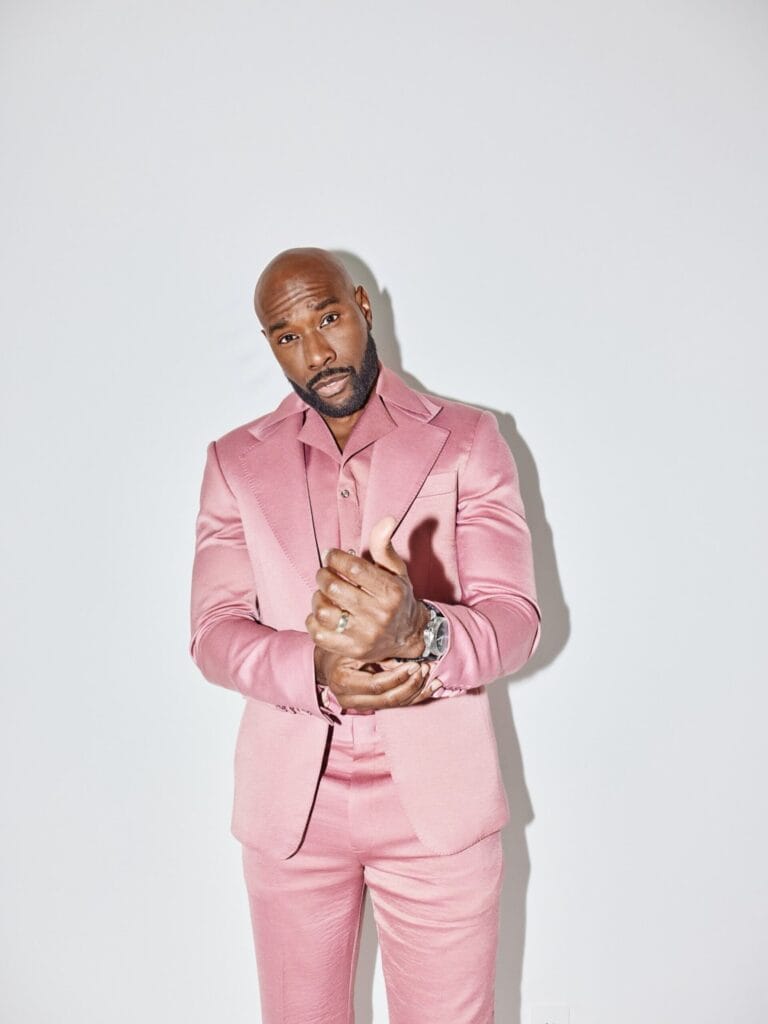
Morris Chestnut has given us plenty of memorable style moments over the years, but there is something particularly striking about seeing the actor in an all-pink suit. The soft colour could easily have made the outfit feel overly playful, yet Chestnut wears it with the kind of ease and confidence that turns what might seem like an unconventional choice into a sophisticated menswear statement.
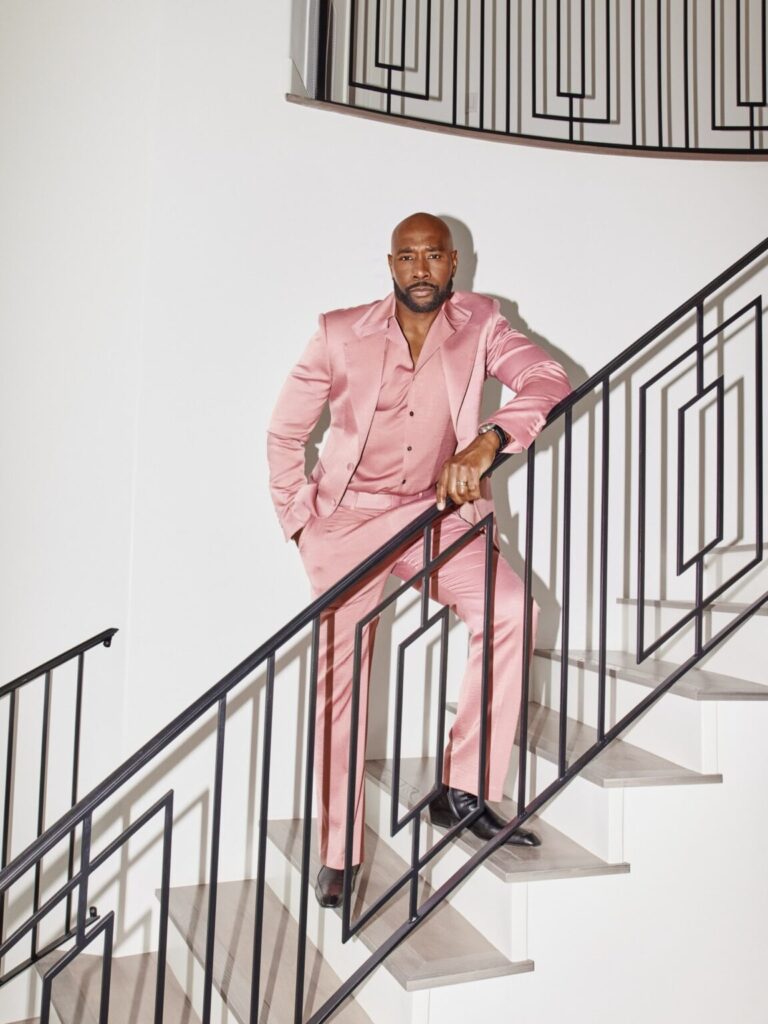
The actor is dressed in a tonal pink ensemble consisting of a sharply tailored jacket, matching trousers and a coordinating button-down shirt. The jacket immediately draws attention with its broad peak lapels and structured silhouette, giving the otherwise soft colour a stronger, more polished presence. Rather than introducing another colour to break up the outfit, the matching pieces create a seamless look that allows the tailoring to do most of the talking.
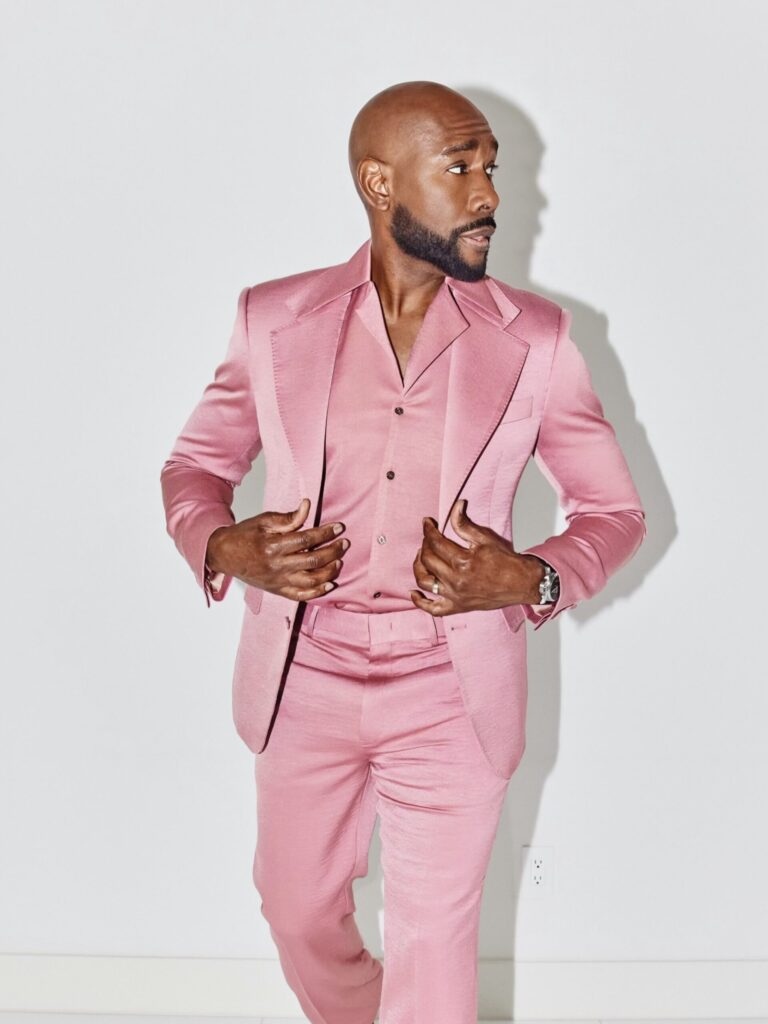
There is also a relaxed quality to the way Chestnut wears it. The shirt is left open at the collar instead of being paired with a tie, taking the suit away from traditional formalwear and giving it a more contemporary feel. The result sits comfortably somewhere between dressed-up and effortless, which is often where the most interesting celebrity menswear moments happen.
What makes the colour particularly interesting is the way it works with the tailoring. Pink is often treated as a statement in itself, but here, the cut of the suit prevents it from becoming the only thing people notice. The strong lapels, fitted waist, and clean trousers give the outfit enough structure, while the softer shade adds warmth and personality.
Chestnut also keeps the finishing touches relatively understated. His silver-toned wristwatch adds a subtle contrast against the pink, while his dark beard and complexion provide natural depth to the otherwise monochromatic outfit. Even the absence of excessive accessories works in the look’s favour because there is already enough visual interest in the colour and tailoring.
For men who have traditionally limited their wardrobes to black, navy, grey and other conventional suiting colours, the look offers an interesting reminder that tailoring does not have to be predictable. A well-cut suit can carry a softer shade just as convincingly as a darker one, particularly when the rest of the styling is kept clean and intentional.
And Chestnut is certainly no stranger to polished style. The actor first gained major recognition for his role as Ricky Baker in John Singleton’s Boyz n the Hood, before going on to star in films including The Best Man, The Brothers and Two Can Play That Game. He later took on television roles such as Dr. Beaumont Rosewood Jr. in Rosewood, further establishing himself as one of Hollywood’s familiar leading men.
That long history of playing polished, charismatic characters perhaps makes this particular fashion moment feel very much in keeping with Chestnut’s image. There is nothing tentative about the way he wears the suit; instead, he appears completely comfortable with the colour, allowing the outfit to feel like a natural extension of his personal style rather than an attempt to make a statement for the sake of being noticed.

The monochromatic approach is also worth paying attention to. Wearing the jacket, shirt and trousers in the same colour family creates a longer, more cohesive silhouette, while the slight differences in texture and construction keep the outfit from appearing flat. It is a styling technique that can work particularly well with softer colours because it prevents the look from becoming visually fragmented.
Of course, the lesson is not that every man suddenly needs a pink suit in his wardrobe. It is that colour can be approached with the same confidence and attention to fit as any other part of menswear. The right shade, a strong silhouette and thoughtful styling can completely change how a traditionally unconventional colour is perceived.
Morris Chestnut’s look manages to strike that balance beautifully. The pink is undeniably the first thing you notice, but the tailoring is what keeps you looking, and the relaxed styling is what makes the entire outfit feel wearable rather than theatrical. It is a reminder that modern menswear has plenty of room for colour, personality and a little bit of risk, especially when the person wearing it knows exactly how to carry it.
Entertainment
Funke Akindele Announces New Film ‘The Four: No One Fights Alone’ for December 2026 Release

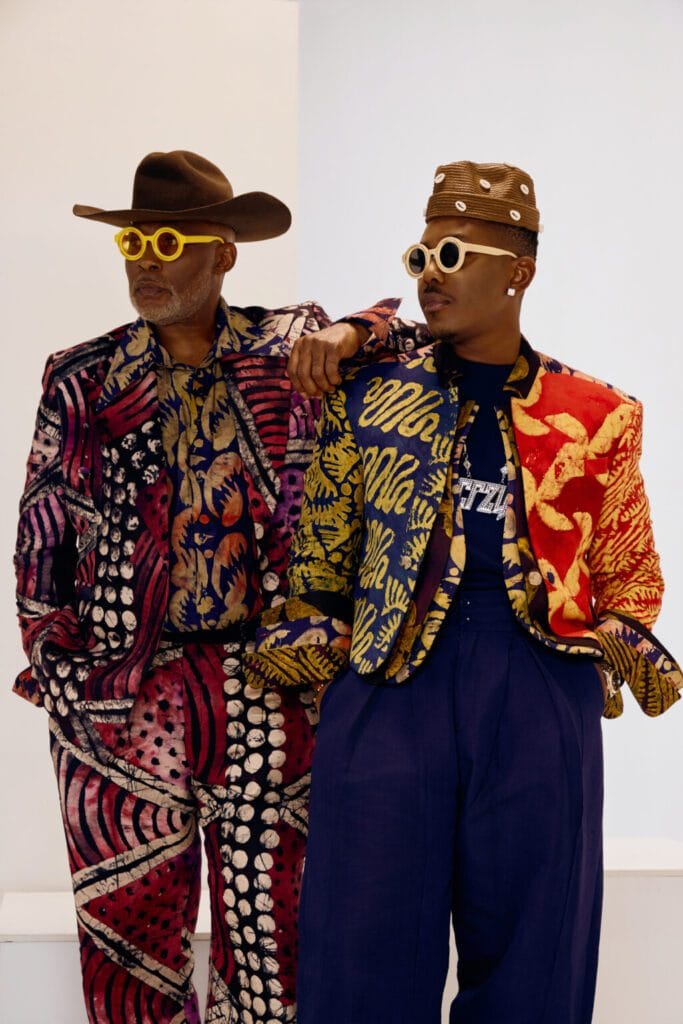
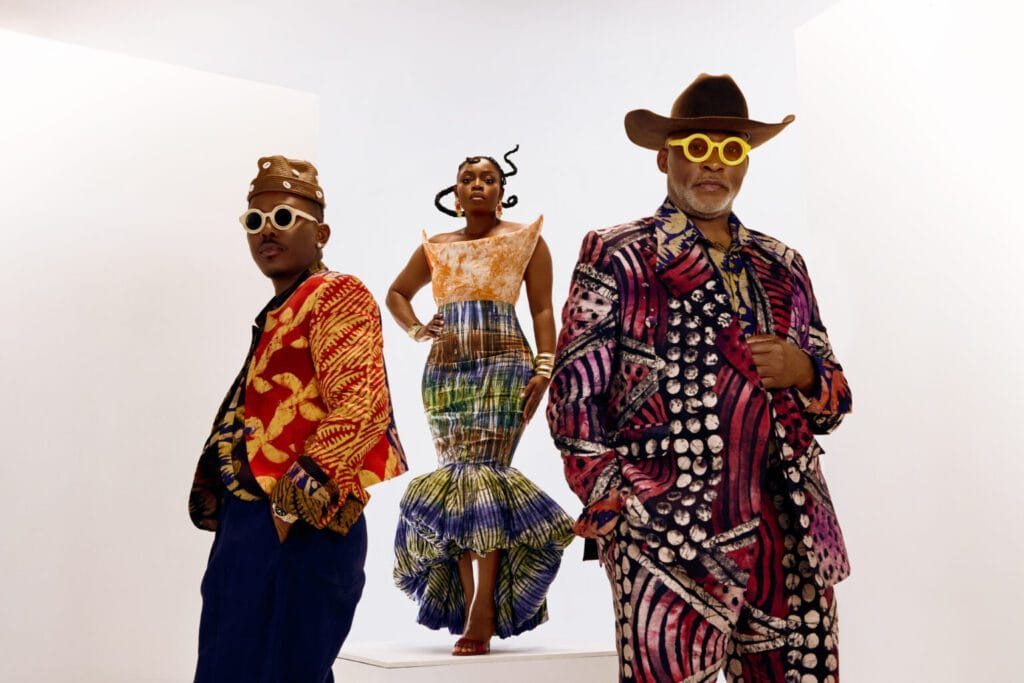
Funke Akindele is set to return to cinemas with a new feature film, The Four: No One Fights Alone, which is scheduled to arrive in cinemas worldwide on December 11, 2026.
The upcoming movie comes from Funke Akindele Network (FAAN TV) and will be distributed by FilmOne Entertainment. It follows another successful chapter in Akindele’s career as an actress, filmmaker and producer, with her previous projects helping to strengthen her position as one of the biggest commercial forces in Nigerian cinema.
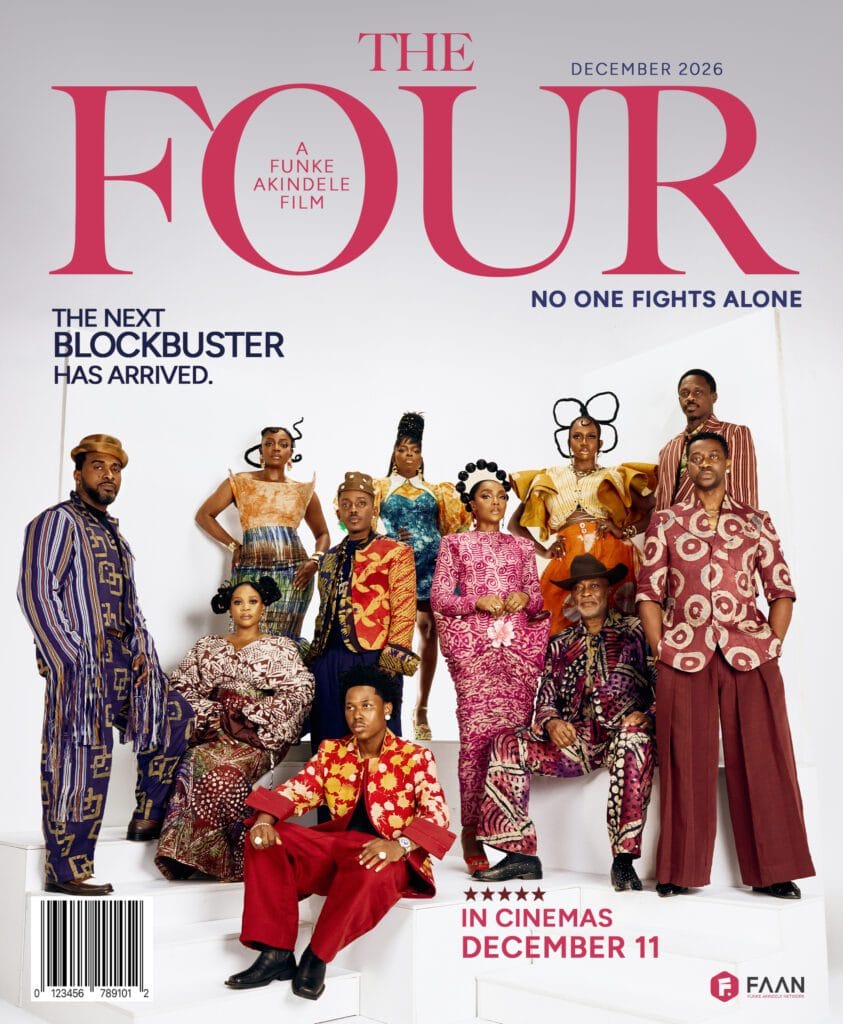
The Four: No One Fights Alone is described as an emotional story about friendship, motherhood, resilience and the strength women can find in one another.
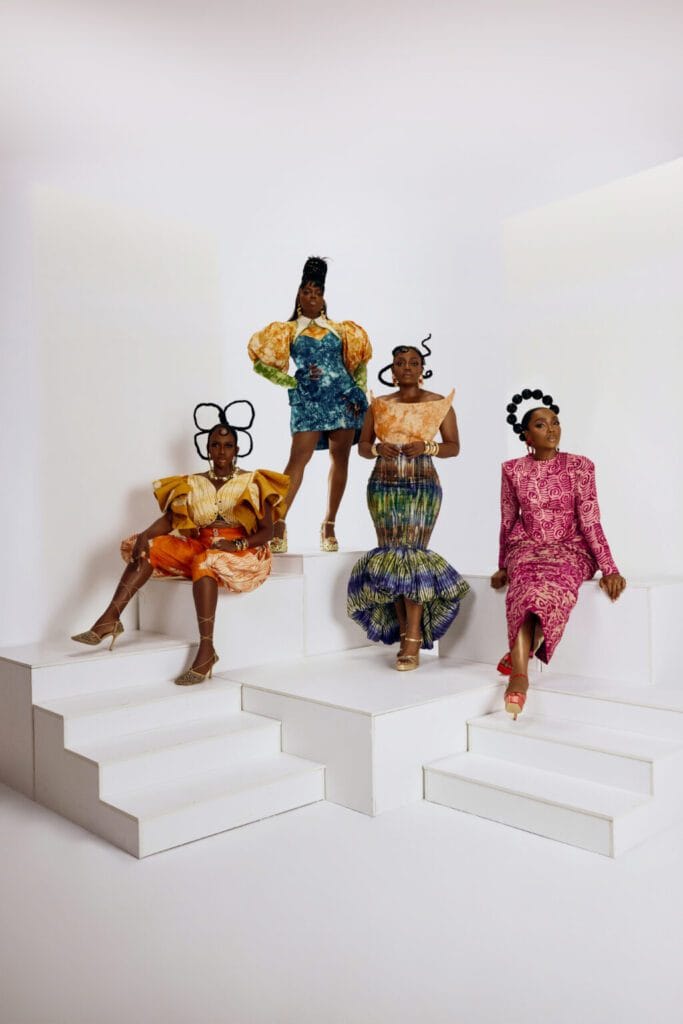
The film centres on Esosa and three women who share a deep bond with her as they come together to fight for the future of a young man they love. What begins as a shared mission soon puts their courage, loyalty and faith to the test, forcing them to confront challenges that push them beyond their limits.
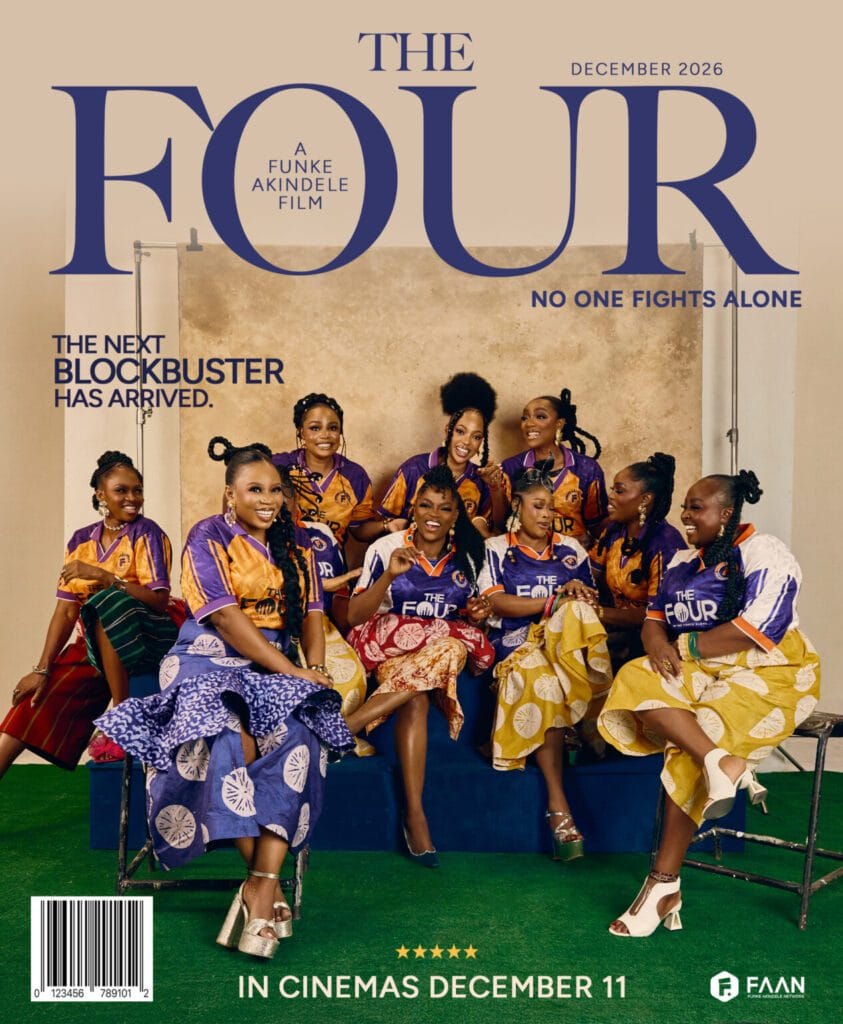
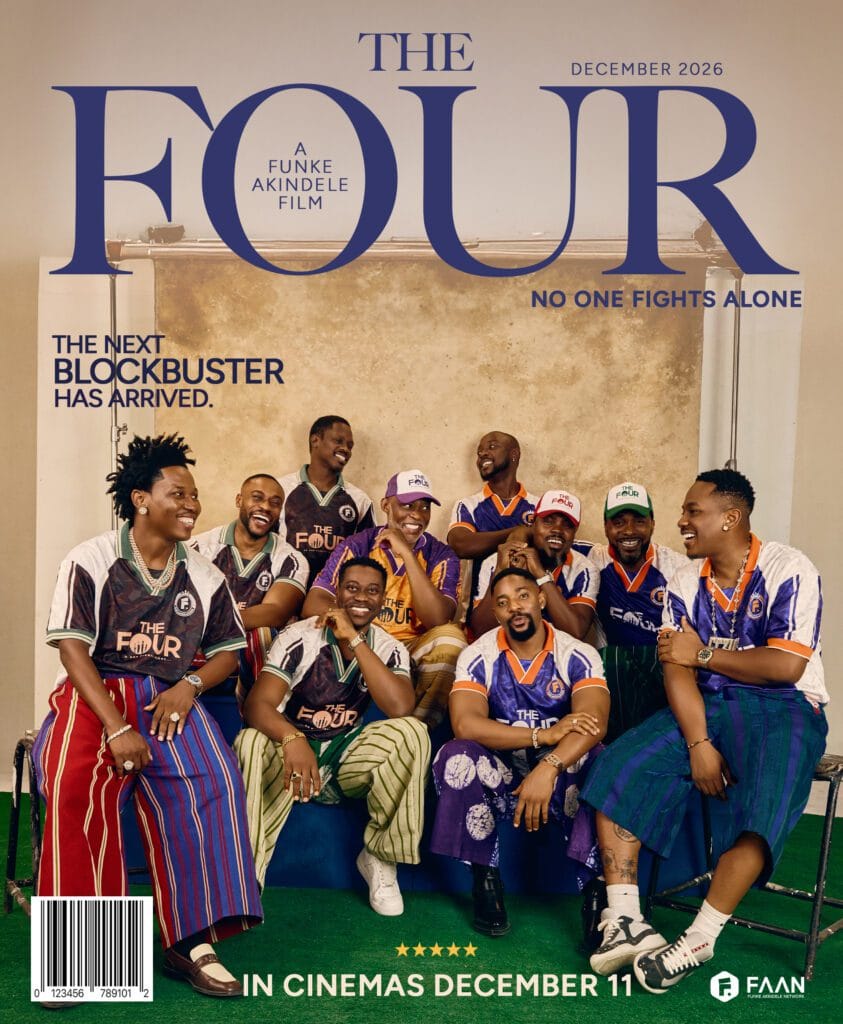
Moving between the Odu Community and the city, the film blends drama with elements of Nigerian culture, incorporating music, fashion, language and tradition into its storytelling. Its story explores themes of sacrifice, hope and unity while highlighting the power of women standing together during difficult moments.
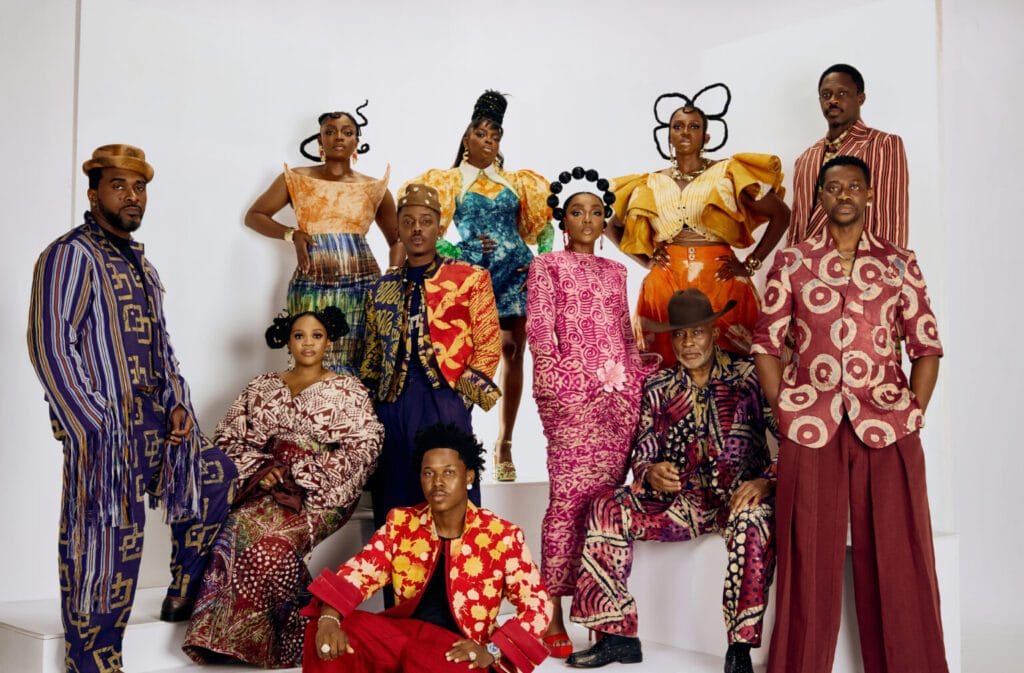
The movie also boasts an impressive ensemble cast featuring some of Nollywood’s most recognisable names, including Funke Akindele, Bisola Aiyeola, Chioma Akpotha, Richard Mofe-Damijo (RMD), Timini Egbuson, Lateef Adedimeji, Ali Nuhu, Uzor Arukwe, Ronke Oshodi Oke, Antar Laniyan and Wunmi Toriola.
Award-winning singer Waje and Afrobeats artiste Shoday are also part of the cast, alongside entertainment personalities Samuel Banks, Kolapo Omotosho and Ayomide Iwasokun.
With its star-studded cast and a story centred on friendship, family and resilience, The Four: No One Fights Alone is shaping up to be one of the major Nigerian cinema releases to watch in 2026.
The film will be released globally in cinemas on December 11, 2026.
The Four: No One Fights Alone adds another major project to Funke Akindele’s growing filmography. Over the years, she has continued to build a strong presence behind and in front of the camera with films including Omo Ghetto: The Saga, A Tribe Called Judah, Battle on Buka Street, Chief Daddy 2: Going for Broke, She Must Be Obeyed, and Everybody Loves Jenifa.
Her recent projects have also cemented her reputation as one of Nollywood’s most commercially successful filmmakers, with A Tribe Called Judah making history as the first Nigerian film to surpass ₦1 billion at the domestic box office. Everybody Loves Jenifa, released in 2024, went on to break even more box-office records, further establishing Akindele as one of the biggest names in contemporary Nigerian cinema.
Now, with The Four: No One Fights Alone, Akindele is preparing to return to the big screen with another story built around family, friendship, resilience and the strength of women.
Entertainment
BEAUTY IN BLACK: Olanrewaju Aroworayi Explores African Identity Through a Contemporary Unisex Lens

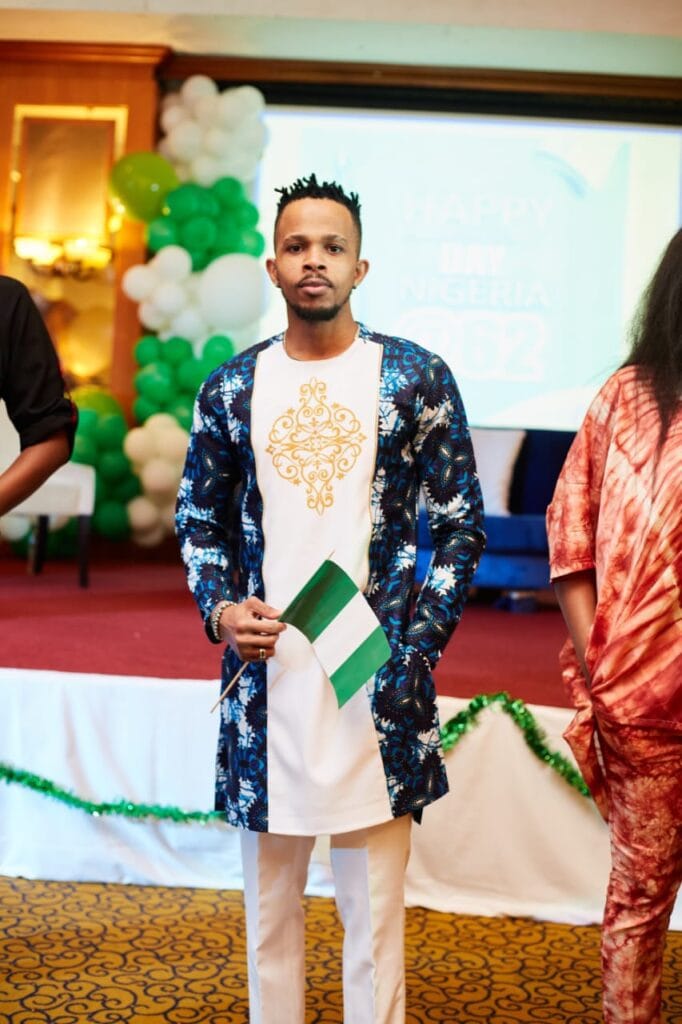
On October 1, 2022, at the Carlton Palace Hotel in Deira, Dubai, Nigerian fashion designer Olanrewaju Aroworayi presented BEAUTY IN BLACK, a unisex collection showcased as part of Nigeria’s 62nd Independence anniversary celebrations. The presentation brought together African-inspired textiles, vivid colour, relaxed tailoring and contemporary silhouettes in an attempt to position Nigerian fashion within a more international visual vocabulary.
What makes BEAUTY IN BLACK particularly interesting is that Aroworayi does not approach African fashion through a strictly traditional lens. Instead, the collection experiments with how recognisable African colour, print and textile language can coexist with silhouettes that feel more contemporary and accessible beyond the continent.
A confident and unconventional colour story
Colour is one of the strongest elements of the collection.
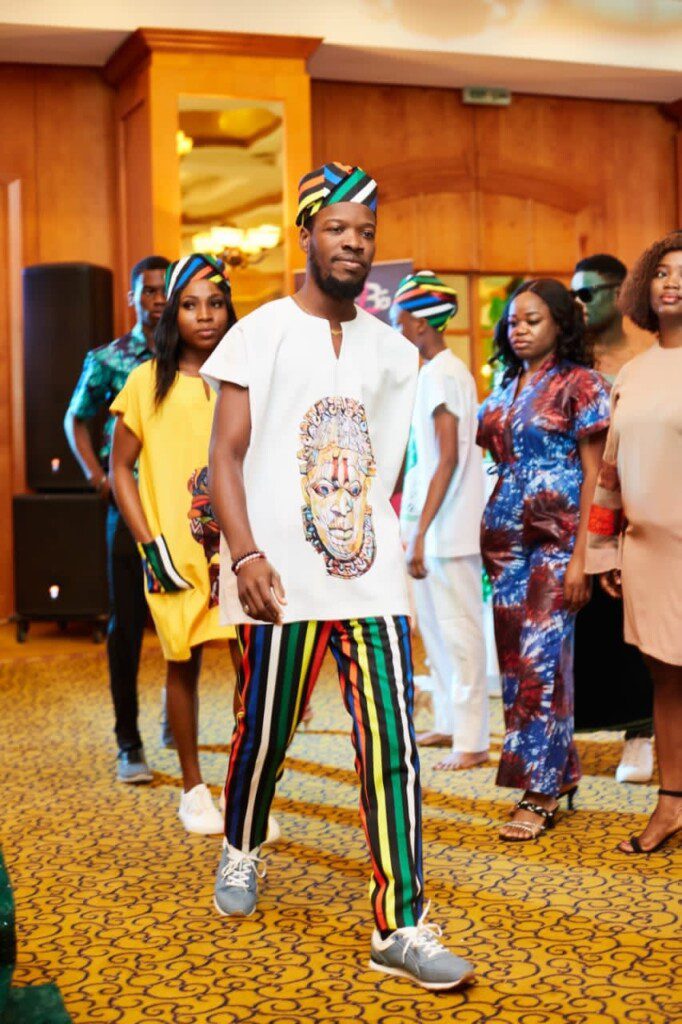
Rather than restricting the palette to literal interpretations of black, Aroworayi allows vivid yellow, green, blue, red, white and multicoloured prints to compete for attention. The result is energetic and distinctly African without becoming visually predictable.
The use of saturated yellow and green is particularly effective in communicating optimism and cultural vibrancy, while the blue-based prints introduce a cooler visual counterpoint. Multicoloured striped elements add movement and youthfulness to the collection.
There is, however, an interesting tension between the collection’s title, BEAUTY IN BLACK, and its highly expressive colour palette. Rather than reading “black” simply as a colour, the collection can be interpreted through Black identity, African creativity and the beauty of African self-expression. That distinction gives the title greater conceptual potential.
African prints without being trapped by tradition.
Aroworayi’s strongest design decision is arguably his refusal to treat African textiles as something that must remain within conventional silhouettes.
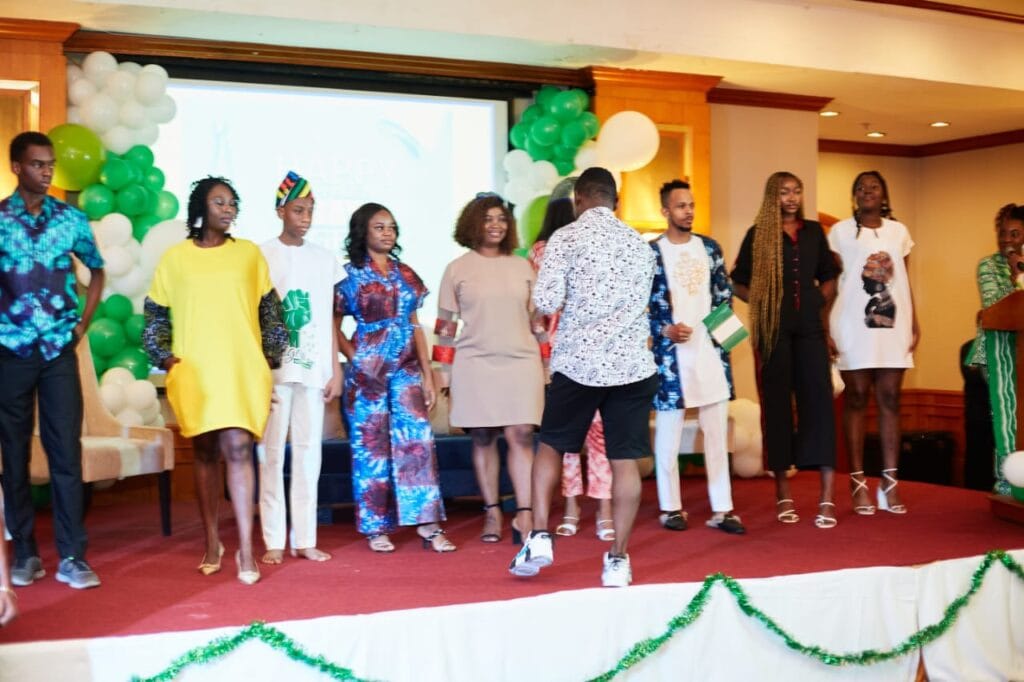
The collection takes recognisable African-inspired prints and places them into modern dresses, coordinated separates, trousers, shirts and relaxed forms. This creates a bridge between heritage and contemporary fashion.
The silhouettes are particularly significant because they make the collection accessible to a younger and more internationally minded audience. Instead of relying entirely on traditional Nigerian garments to communicate identity, Aroworayi allows the fabric, colour and styling to carry much of the cultural narrative.
This is consistent with GlamCityz’s contemporary description of his work at the exhibition as a fusion of African and Western styles, highlighting bold prints and modern silhouettes.
The unisex proposition
The decision to present BEAUTY IN BLACK as a unisex collection is another important aspect of Aroworayi’s approach.
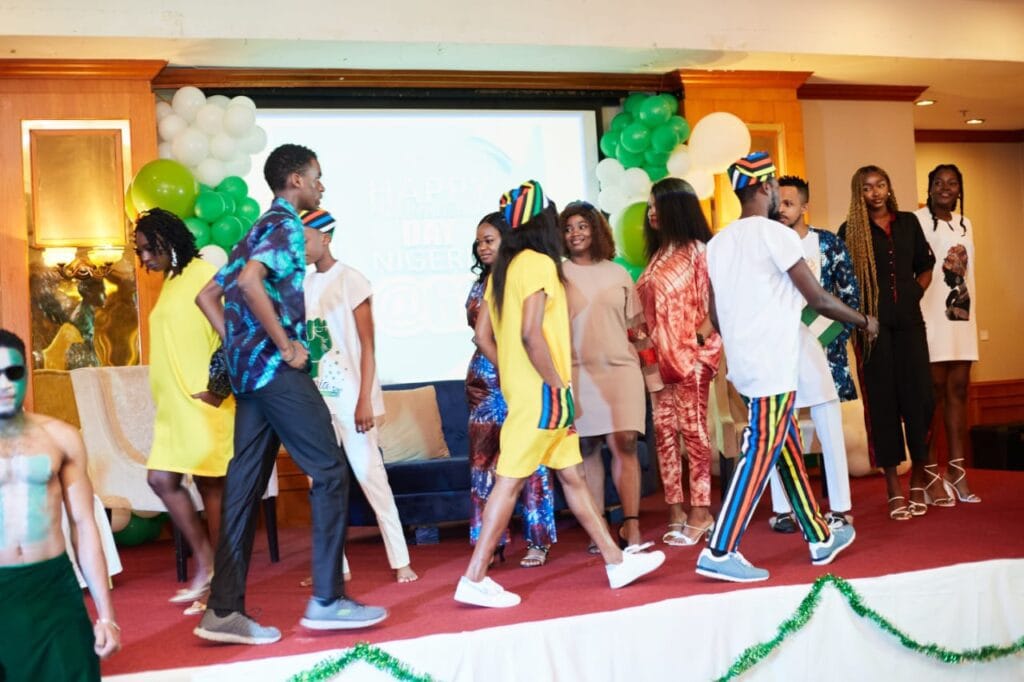
Several of the looks demonstrate how African prints can move between masculine and feminine styling without losing their identity. The use of trousers, shirts, loose-fitting garments and coordinated separates creates a degree of flexibility that challenges the idea that African fashion must be divided rigidly between menswear and womenswear.
This approach also gives the collection commercial potential. Contemporary global fashion increasingly values garments that can communicate identity while allowing individual interpretation, and Aroworayi’s collection participates in that conversation through an African design vocabulary.
Silhouette and movement
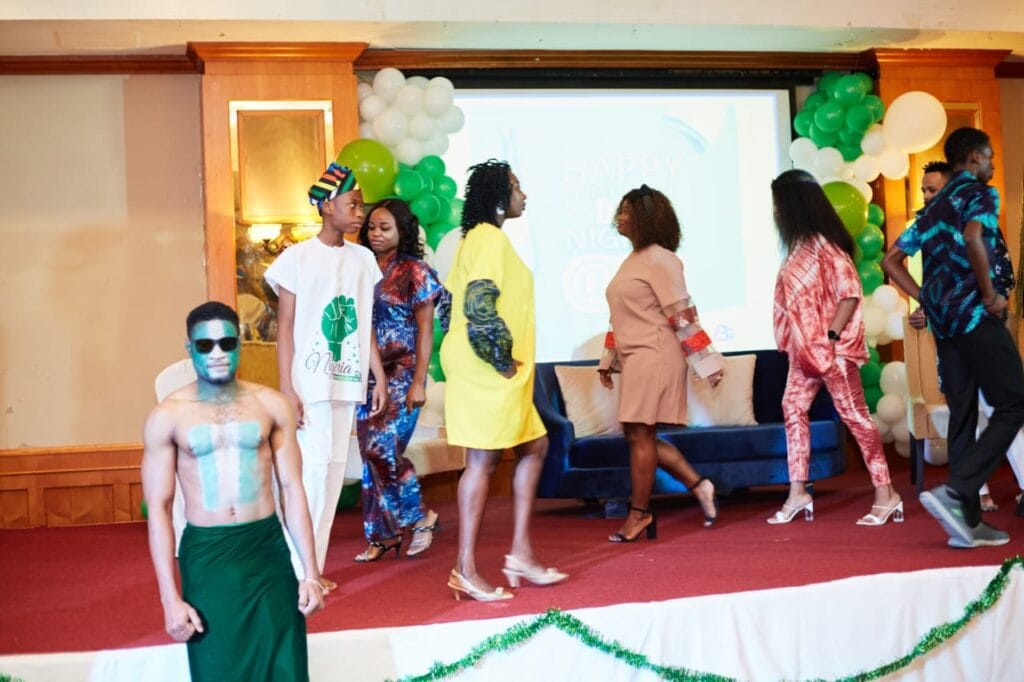
The silhouettes favour ease, movement and wearability rather than excessive structural complexity. This is particularly visible in the relaxed dresses and trouser-based looks.
There is a deliberate contrast between the strength of the prints and the relative simplicity of some of the silhouettes. This is an effective choice because overly complicated construction could compete with the textiles themselves.
From a critical standpoint, however, some looks could benefit from greater variation in proportion and stronger styling differentiation. The collection sometimes allows the prints to become the dominant visual event, while more dramatic manipulation of shape could have pushed the editorial impact further.
That said, the restraint also demonstrates an understanding of an important design principle: not every element needs to compete for attention.
Cultural identity meets international fashion
Perhaps the most successful aspect of BEAUTY IN BLACK is its attempt to make African fashion understandable to an international audience without completely removing its cultural identity.
The collection does not simply reproduce traditional Nigerian clothing. Instead, it asks how Nigerian visual culture can be translated into contemporary fashion.
That question is increasingly important for African designers operating internationally.
Aroworayi’s presentation in Dubai is significant in this context. Dubai provided an international setting in which Nigerian design could be viewed outside its home market, while the collection itself attempted to communicate Nigerian identity through a combination of print, colour, silhouette and styling. The original GlamCityz coverage similarly described the exhibition as a meeting point between traditional Nigerian patterns and fabrics and contemporary Western fashion.
A collection with room to evolve
BEAUTY IN BLACK is not without areas for development. The presentation could have benefited from a more tightly controlled runway narrative, particularly in the relationship between styling, model presentation and individual looks. Some of the strongest garments might also have benefited from more focused visual framing.
But those observations do not diminish the central achievement of the collection.
Aroworayi demonstrates an ability to translate African cultural references into contemporary, wearable and gender-inclusive fashion, rather than simply reproducing established traditional forms.
More importantly, BEAUTY IN BLACK reveals a designer interested in the larger question of what African fashion can become when it enters an international environment.
The collection’s greatest strength is therefore not any single garment. It is the conversation between culture and contemporary design.
Presented in Dubai on Nigeria’s Independence Day, BEAUTY IN BLACK offered a visual statement that African fashion can retain its cultural identity while continuing to evolve, experiment and participate in the language of global fashion.
For Aroworayi, the collection was not simply about dressing the African body. It was about asking how African identity can be designed, interpreted and worn in a changing global fashion landscape.
Sponsored Content


Why North is allowing Tinubu get away with everything – Baba-Ahmed

Cristiano Ronaldo Sends Message to Lionel Messi After His Father’s Death

Osun Election: There must be no mysterious glitches – Atiku issues warning to INEC

Meaning Behind Egypt Manager’s ‘X’ Gesture vs Argentina

Premier League Set-Piece Goals (2025/2026)

Simi Sanya and Femi Dapson Are Now Legally Married and It Is Beautiful to See
-
 Metro1 day ago
10 police officers, 17 suspected bandits killed in Kebbi clash
-
 Sports2 days ago
Rangers In Talks to Sign Aston Villa Star Kosta Nedeljkovic
-
 Sports2 days ago
Man Utd Eyeing Move to Sign David Raum, He’s Agreed to Join
-

 Politics1 day ago
Four APC govs under scrutiny for ‘cheering’ Sheik Jingir during anti-Christian comment
-
 Sports2 days ago
Omar Artan Gives Life Update 2 Months After World Cup Referee Rejection
-

 Metro2 days ago
Security forces rescue 16 kidnap victims in Kogi
-
 Sports2 days ago
What Jeff Bezos £1.35Bn Investment Means On and Off The Pitch
-
 Politics2 days ago
2027: ‘Kano not in support’ – Kwankwaso on Jingir’s Muslim-Muslim ticket, infidel comment