
Entertainment
How the Ongoing Middle East Conflict Could Affect Fashion in Nigeria


A war happening thousands of kilometres away can feel distant until it begins to affect everyday life. The current escalation involving Israel and Iran, along with wider tensions affecting key shipping routes across the Middle East, is one of those situations. While the conflict is geopolitical on the surface, its consequences travel quickly through oil markets, global trade, and supply chains. For a country like Nigeria, which imports a large share of its textiles and fashion materials, the ripple effects are already evident.
Rising Oil Prices and Fuel Costs
One of the most immediate impacts of tensions between Israel and Iran has been on global oil prices. The Middle East sits at the centre of energy supply, so any threat to stability causes markets to react quickly. Oil prices climb, shipping insurance becomes more expensive, and fuel costs rise worldwide. Nigeria may produce oil, but local transportation and logistics costs are still tied to global conditions.
When fuel becomes expensive, every stage of the fashion value chain is affected. Transporting fabrics from ports to markets incurs higher costs. Delivering finished outfits to customers costs more. Even commuting to fittings becomes more expensive. These increases eventually show up in clothing prices.
Disruptions to Global Shipping Routes
Shipping routes through the Middle East handle a significant portion of global trade, including goods travelling from Asia to Africa. Security concerns, rerouting, or delays can slow shipments and increase freight charges. Nigeria depends heavily on imported textiles from countries such as China, India, Turkey, and the United Arab Emirates. When shipments slow down or become costly, fabric traders feel the pressure immediately.
Markets in Lagos, Aba, Kano, and Onitsha rely on a steady flow of imported materials. Any disruption can lead to shortages, delayed deliveries, and sudden price increases. Designers who depend on specific fabrics for clients may struggle to fulfil orders on time or may have to substitute materials.
Imported Materials Become More Expensive
Fabric is only part of the story. Many components used in garment production are imported, including zippers, buttons, linings, threads, interfacing, and sewing machine parts. If import costs rise or availability becomes uncertain, production expenses increase across the board.
Tailors and fashion houses cannot absorb these costs indefinitely. Eventually, they must raise prices, reduce output, or adjust their offerings. For customers, this means paying more for the same outfit or settling for simpler designs.
Reduced Consumer Spending on Fashion
Periods of global uncertainty usually lead to cautious spending. As fuel prices and inflation rise, households prioritise essentials such as food, housing, and transportation. Clothing, especially custom pieces or luxury fashion, becomes less urgent.
For fashion brands, this can translate into fewer orders and longer gaps between purchases. Clients may delay commissions, negotiate more aggressively, or opt for budget alternatives. Ready to wear retailers may also see slower foot traffic as shoppers cut back on discretionary spending.
Event Fashion May Feel the Impact First
Nigeria’s fashion industry is deeply connected to events. Weddings, parties, religious celebrations, and corporate functions drive demand for custom outfits and statement looks. If economic pressure leads to smaller gatherings or reduced spending, event fashion is usually the first segment to feel the slowdown.
Even when events continue, guests may choose to rewear outfits, rent clothing, or select simpler styles instead of commissioning elaborate new pieces. Designers who depend heavily on peak event seasons may experience reduced income during prolonged uncertainty.
Pressure on Retailers and Boutiques
Boutiques that import ready to wear clothing face a double challenge. Their purchasing costs rise while customer demand weakens. This squeeze on margins can be particularly difficult for smaller businesses that lack large financial reserves.
Retailers may respond by increasing prices, reducing inventory, or focusing on faster moving items. However, these adjustments can only go so far before profitability becomes a concern.
Changing Consumer Mindset
Beyond economics, uncertainty affects psychology. When people are unsure about the future, they become more conservative in their choices. Fashion thrives on confidence, celebration, and visibility. Anxiety reduces impulse buying and shifts attention toward practicality.
Designers may notice clients taking longer to make decisions, requesting multiple adjustments to budgets, or postponing projects entirely. This cautious behaviour can persist even after immediate economic pressures ease.
Possible Shift Toward Local Alternatives
One potential outcome is renewed interest in locally produced textiles and materials. If imported fabrics become difficult to obtain, designers may explore indigenous options more seriously. This could strengthen local production in the long term, although many domestic processes still depend on imported inputs.
Transitioning to local alternatives is not instant, but periods of disruption often encourage innovation and adaptation within industries.
A Global Conflict With Local Consequences
Fashion does not exist in isolation. It sits at the intersection of culture, commerce, and global supply chains. A conflict between countries far away can still influence what people wear, how much they spend, and how businesses operate.
For Nigeria’s fashion industry, the ongoing tensions involving Israel and Iran are a reminder that global events can quietly reshape local markets. If disruptions continue, clothing may become more expensive, deliveries may slow down, and purchasing habits may change.
War rarely feels close until it touches daily life. When it does, even something as expressive as fashion begins to reflect the strain.
Entertainment
Serena Williams Is Coming Back to Tennis, and the Sports World Can’t Stop Talking About It

Featured Vendors
Handpicked from OiO
OiO Picks
Just when many fans thought they had seen the final chapter of Serena Williams’ incredible tennis journey, the legendary athlete has surprised the world with a comeback announcement.
Nearly four years after stepping away from professional tennis following the 2022 US Open, Serena Williams is officially returning to competition. The 23-time Grand Slam champion revealed the news through a short Nike video that quickly set social media buzzing. In the clip, Serena walks across a tennis court while her phone keeps ringing with calls and messages. With her trademark confidence, she casually says, “I gotta change my number,” as the words “Guess everybody heard the news” appear on the screen.
And yes, everybody heard it.
The announcement has sparked excitement among tennis fans around the world who have missed seeing one of the sport’s most dominant players compete on the biggest stages.
Serena’s return will begin at the HSBC Championships at Queen’s Club in London, where she has accepted a doubles wildcard entry. The tournament starts on June 6 and serves as one of the key warm-up events ahead of Wimbledon.
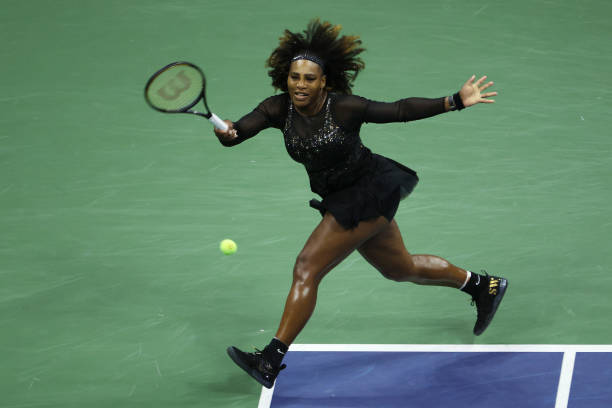
For her comeback, Serena will partner with rising Canadian tennis star Victoria Mboko, creating one of the most talked-about pairings of the tournament.
Speaking about her decision to return, Serena said Queen’s Club felt like the perfect place to begin this new chapter. The grass courts hold special memories for her, having been the stage for some of the most memorable moments of her career.
At 44, Serena Williams has already achieved more than most athletes could ever dream of. Yet her return is a reminder that passion, competition, and the love of the game can continue to inspire long after records have been broken.
Whether this marks the beginning of another remarkable run or simply a celebration of one of tennis’ greatest icons, one thing is certain: all eyes will be on Serena Williams when she steps back onto the court.

Featured Vendors
Handpicked from OiO
OiO Picks
Bimbo Ademoye just gave us a masterclass on how to blend sharp tailoring with effortless cool. This look is all about confidence, style, and knowing exactly how to command attention without trying too hard. The structured black blazer instantly brings that polished boss lady energy, while the crisp white shirt and slim black tie add a touch of classic sophistication.
What makes the outfit even more interesting is the contrast. Instead of going for formal trousers, Bimbo pairs the tailored top half with relaxed wide-leg denim, creating a fashion-forward balance that feels modern and fresh. It is smart, stylish, and completely on trend.
The baseball cap adds a laid-back edge that keeps the outfit from feeling too serious. It gives the look a cool street-style twist while still maintaining its luxurious feel. The quilted handbag ties everything together beautifully, adding a refined finish that elevates the entire outfit.
From the sharp structure to the effortless styling, this is the kind of look that proves power dressing does not have to be predictable.
Bimbo Ademoye is serving chic boss lady glamour with a contemporary edge, and we cannot get enough of it.
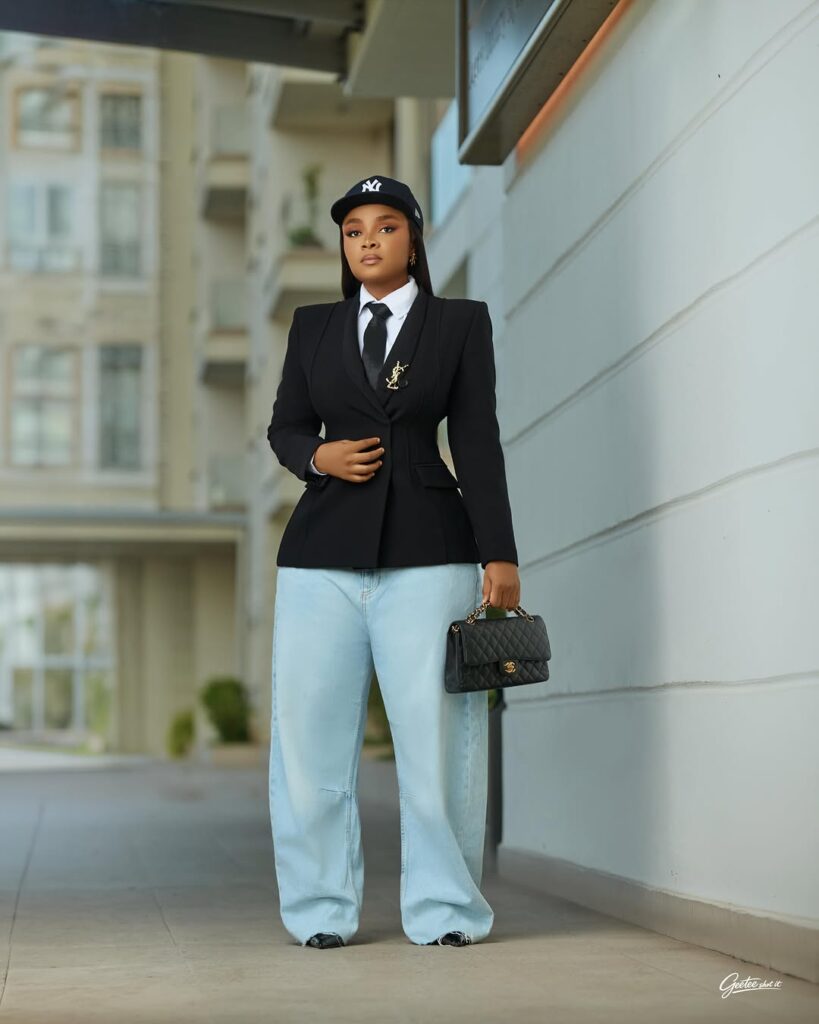
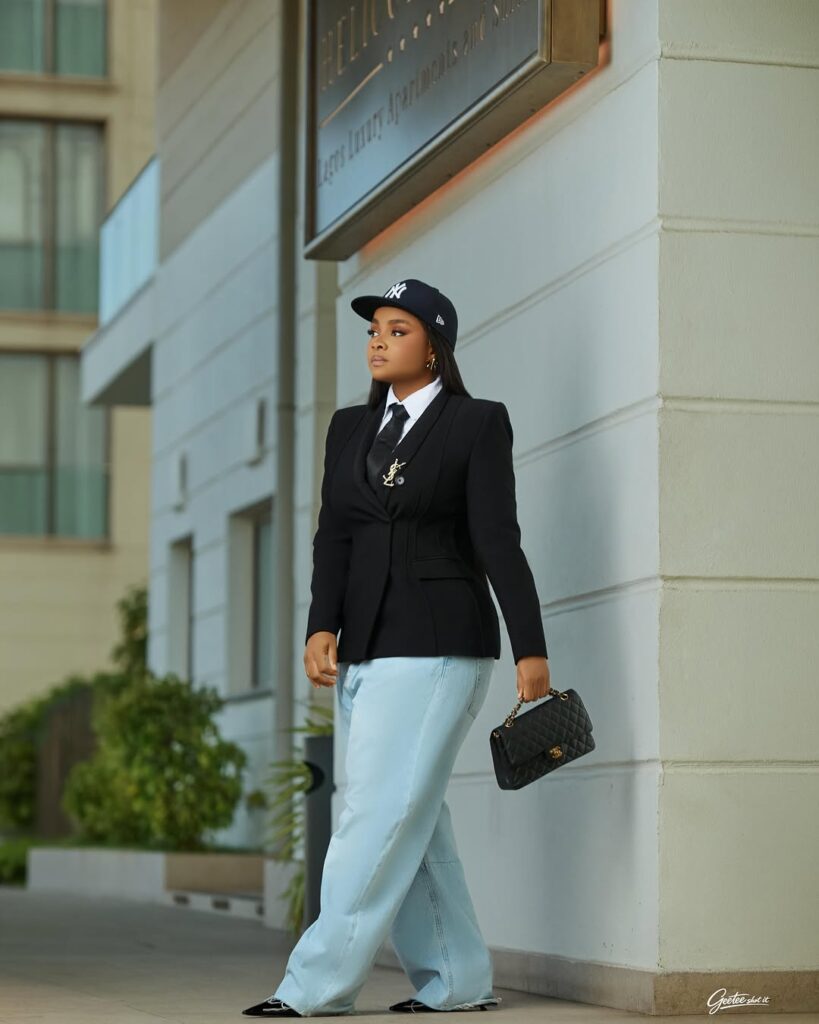
Photo: @bimboademoye | Instagram

Featured Vendors
Handpicked from OiO
OiO Picks
The Africa World Cup jerseys 2026 collection is shaping up to be one of the most exciting aspects of the tournament. As African nations prepare to compete on football’s biggest stage, the brands behind their kits are also preparing for a global spotlight.
When fans think about the 2026 FIFA World Cup, they often focus on the players, the goals, and the drama on the pitch. But there is another competition happening behind the scenes, one that has nothing to do with football tactics and everything to do with style.
Which Brands Are Behind the Africa World Cup Jerseys 2026?
As Africa sends a record number of teams to the 2026 FIFA World Cup, major sportswear brands are also stepping onto the global stage. From Puma and Adidas to Umbro and Kappa, these companies are responsible for creating the jerseys that millions of fans will proudly wear throughout the tournament.
Puma emerges as the biggest winner among Africa’s qualified nations. The German sportswear giant supplies the kits for Morocco, Senegal, Egypt, Ghana, and Côte d’Ivoire. That means half of Africa’s representatives will be wearing Puma designs when they take the field.
Adidas follows with Algeria and South Africa. Known for its iconic football heritage, Adidas remains one of the most recognizable brands in the sport and will once again have a strong presence at the World Cup.
Italian brand Kappa is behind Tunisia‘s jerseys, while Umbro supplies the Democratic Republic of Congo. Cape Verde stands out by partnering with Capelli Sport, a brand that continues to grow its presence in international football.
Here is the full breakdown:
• Morocco — Puma
• Senegal — Puma
• Egypt — Puma
• Ghana — Puma
• Côte d’Ivoire — Puma
• Algeria — Adidas
• South Africa — Adidas
• Tunisia — Kappa
• Democratic Republic of the Congo — Umbro
• Cape Verde — Capelli Sport
Morocco
Senegal
Egypt
Ghana
Côte d’Ivoire
Algeria
South Africa
Tunisia
DR Congo
Cape Verde
The battle for World Cup glory is not only taking place on the pitch. Sportswear brands understand that a successful jersey can become part of football history. Some kits become collector’s items, while others become symbols of national pride long after the tournament ends.
As the 2026 World Cup approaches, football fans will be watching more than goals and trophies. They will also be judging the designs, colors, and creativity of the jerseys worn by Africa’s finest teams.
Which African World Cup jersey do you think looks the best?

Oyo APC guber candidate yet to emerge – Tinubu ex-minister, Adelabu insists

UEFA Release Statement as Marios Oikonomou Dies Aged 33

Nigeria spends $2.34bn on food imports in 2025, down 7.4%

Simi Sanya and Femi Dapson Are Now Legally Married and It Is Beautiful to See

FCT Area Council Election: Live results from polling units

Premier League Set-Piece Goals (2025/2026)
-
 Sports2 days ago
Arsenal v PSG Ref Blasted For ‘Nonsense’ Decision During Champions League Final
-
 Sports2 days ago
Why Ousmane Dembele Takes Penalties With His Weak Foot
-
 Sports2 days ago
Tommy Fury Forgot the Rules of Football at Soccer Aid 2024
-
 Sports2 days ago
Premier League Legend Was Banned From Soccer Aid After ‘String of Complaints’
-
 Entertainment1 day ago
Ojude Oba 2026 Was a Full Fashion Parade and These Looks Stole the Show
-
 Sports2 days ago
Steven Gerrard Slams Eberechi Eze After Champions League Final
-

 Metro1 day ago
Police arrest ex-Okpebholo aide Kelly Okungbowa for allegedly assaulting officer
-
 Sports2 days ago
Vitinha Critical of Arsenal’s Style of Play After PSG’s Champions League Win