
Entertainment
Peter Obi Calls for Harsher Punishment for Politicians Involved in Certificate Forgery


The Labour Party’s presidential candidate in the 2023 general elections, Peter Obi, has urged authorities to enforce stricter penalties against politicians caught with forged certificates.
In a post shared on his verified X (formerly Twitter) handle on Monday, Obi emphasized that true leadership must begin with truth, not deceit. He said Nigeria must put an end to the era where dishonesty and forgery are rewarded with political power.
He also criticized the Independent National Electoral Commission (INEC) for failing to properly verify candidates’ credentials before elections, noting that the commission has enough time before the 2027 general elections to investigate all past complaints about fake certificates and false claims.
“How do we tell young Nigerians to be honest and upright when those they are meant to look up to are the least honest among us?” Obi questioned. “Certificate forgery is a serious criminal offence in every part of the world. It should never be taken lightly.”
He further suggested that electoral reforms should require all candidates — whether incumbents or new aspirants — to submit their academic certificates immediately after party primaries, at least six months before the elections.
“We must deal with certificate forgery with the seriousness it deserves,” Obi said. “Criminal offences should not be dismissed as procedural issues. The era where forgery and deceit are rewarded with power must end. True leadership starts with truth.”
What if the slides you wear after a workout could do more than simply give your feet a break?
That’s exactly what Nike and Hyperice are hoping to achieve with the Nike Air Zoom Hyperslide, an innovative recovery slide that combines comfort with built-in heat and vibration massage. Instead of reaching for a massage gun or another recovery device after training, athletes can now slip on a pair of slides that begin helping their feet recover almost immediately.
Set to launch on September 29 for $250, the Nike Air Zoom Hyperslide is one of the most ambitious collaborations yet between the sportswear giant and recovery technology company Hyperice.
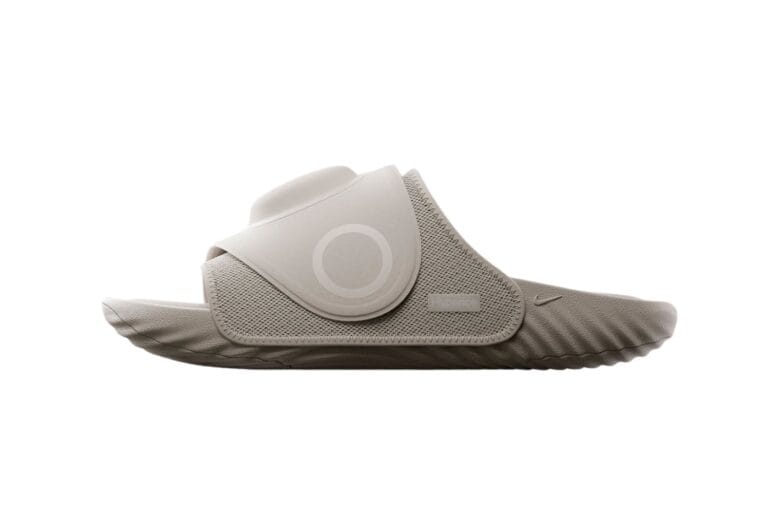
At first glance, the Nike Air Zoom Hyperslide looks like a sleek, futuristic pair of recovery slides. The real innovation, however, is hidden inside the adjustable midfoot strap.

Mounted to it is a removable Hyperice Pod, which attaches magnetically and delivers heated vibration massage directly to the top of the foot. Once activated, the pod runs a 15-minute recovery session designed to help athletes unwind after intense activity.
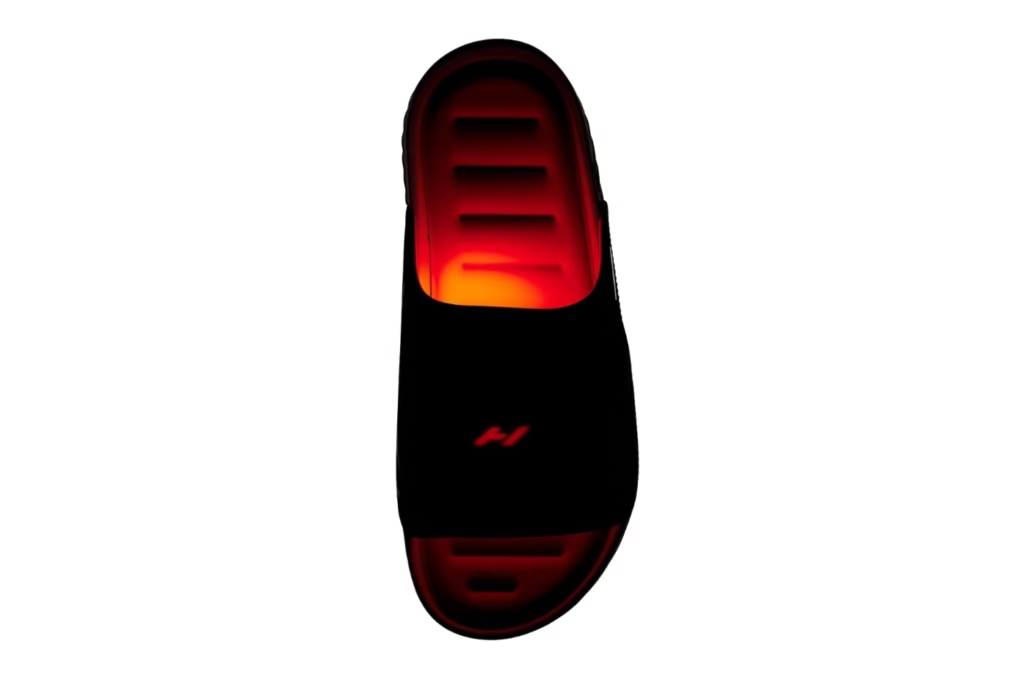
Users can choose between three heat settings, reaching temperatures of up to 117°F, alongside three levels of vibration massage. The controls are built into the pod itself, while those looking for more customization can adjust the settings through the Hyperice App.
Rather than introducing another gadget that needs charging, storing, and remembering, Nike has built the recovery technology into something athletes already wear after training.
Why It Actually Makes Sense
Recovery has become just as important as the workout itself.

Professional athletes and fitness enthusiasts already rely on massage guns, compression boots, heated therapy, and other recovery tools to help reduce soreness and improve performance. The challenge is that these devices often require extra time and effort to use.
The Nike Air Zoom Hyperslide removes that barrier.
Instead of sitting down with another recovery device after a workout, users simply slip on their slides and let the recovery session begin while cooling down, stretching, or walking back to the locker room.
It’s a simple idea, but one that could make recovery feel much more effortless.
Read More: Off-White Introduces “TIME,” Its First-Ever Watch Collection
Comfort Meets Smart Technology
Beyond its massage technology, the Nike Air Zoom Hyperslide still delivers the comfort expected from Nike.
Full-length Air Zoom cushioning provides soft, responsive support underfoot, while the wide textile strap keeps the foot secure during wear. The removable Hyperice Pod means the slides can also be worn like a regular pair whenever the recovery features aren’t needed.
The outsole features durable rubber with a circular traction pattern for grip across gym floors, locker rooms, and outdoor surfaces.
Available in understated gray and black colorways, the design feels more like performance equipment than a fashion statement, reflecting the product’s primary purpose: helping athletes recover more effectively.
More Than Just Another Pair of Slides
The Nike Air Zoom Hyperslide isn’t trying to replace every recovery tool on the market, but it does make the process significantly easier.
Instead of asking athletes to dedicate extra time to recovery, it integrates heat and massage into a routine they’re already following. That convenience is what makes the product stand out.
For those already using Hyperice products, the slides fit naturally into an existing recovery routine. For everyone else, they offer an accessible way to experience recovery technology without investing in multiple devices.
As wearable technology continues to evolve, the Nike Air Zoom Hyperslide feels like a glimpse into where athletic footwear is headed—where the shoes you wear after a workout become just as important as the ones you wear during it.

The Super Falcons have officially arrived in Rabat, Morocco, ahead of the 2026 Women’s Africa Cup of Nations (WAFCON), and their airport style made just as strong a statement as their football legacy.
Instead of opting for typical travel wear, Nigeria’s women’s national football team embraced tradition in beautifully coordinated green and white Adire jalabiyas that celebrated Nigerian craftsmanship while delivering effortless elegance.
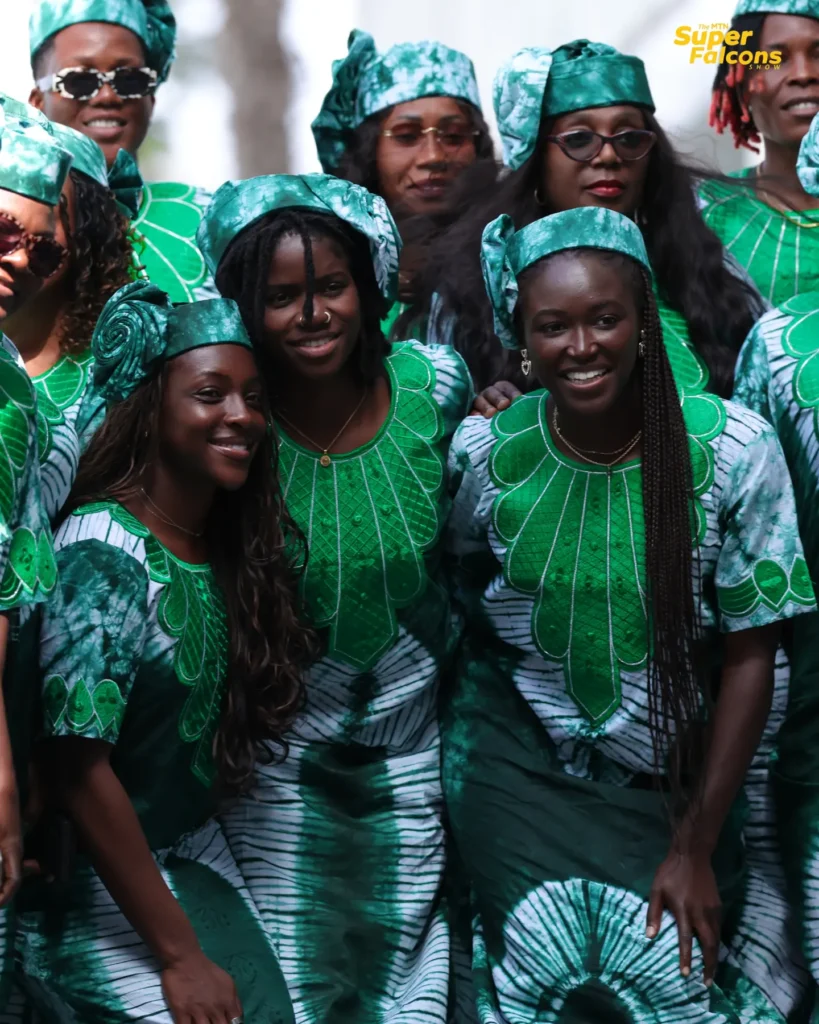
The flowing outfits featured striking tie-dye patterns paired with detailed embroidered panels running down the front, adding texture and structure to the relaxed silhouettes. The combination created a polished look that balanced comfort with sophistication, making the perfect travel ensemble ahead of one of Africa’s biggest football tournaments.
To complete the look, the players wore matching headscarves styled in a fila-inspired fashion, creating a unified appearance that reflected both culture and team spirit. While many kept accessories minimal, sunglasses, watches, simple jewellery, and subtle styling choices allowed each player to add a touch of personality without taking away from the coordinated aesthetic.
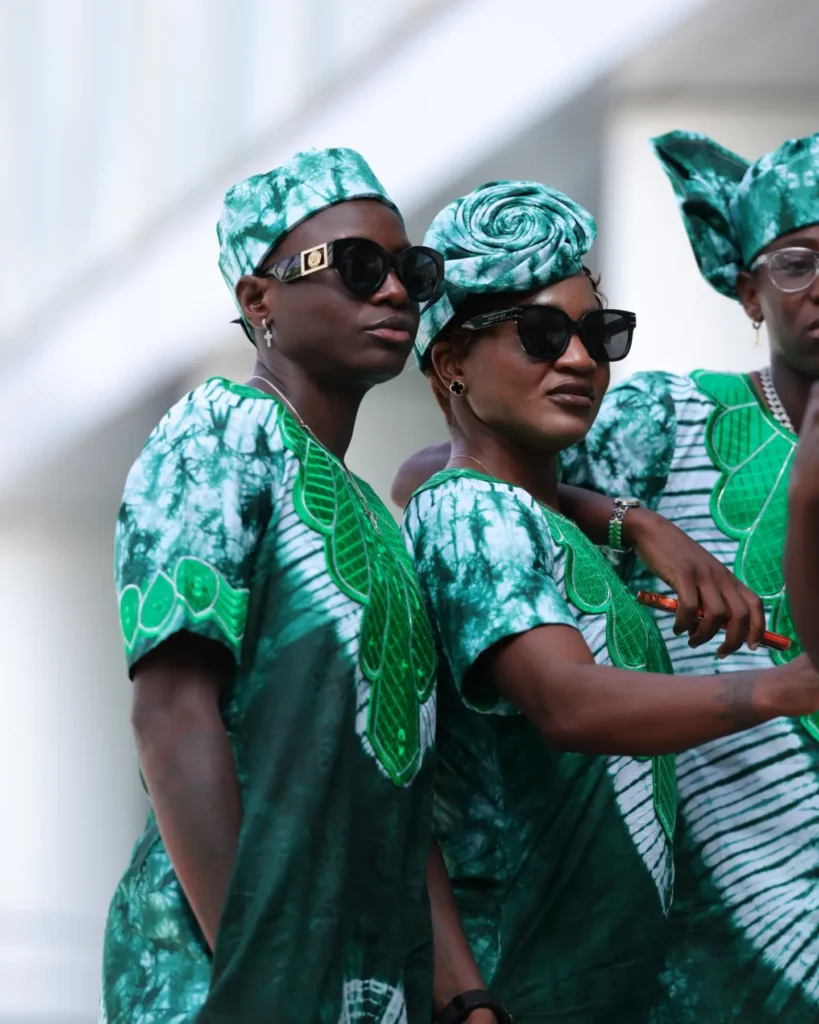
The arrival outfit is a reminder that fashion can be a powerful expression of identity. By choosing Adire, one of Nigeria’s most iconic textiles, the Super Falcons proudly showcased the country’s rich cultural heritage on an international stage before a ball had even been kicked.
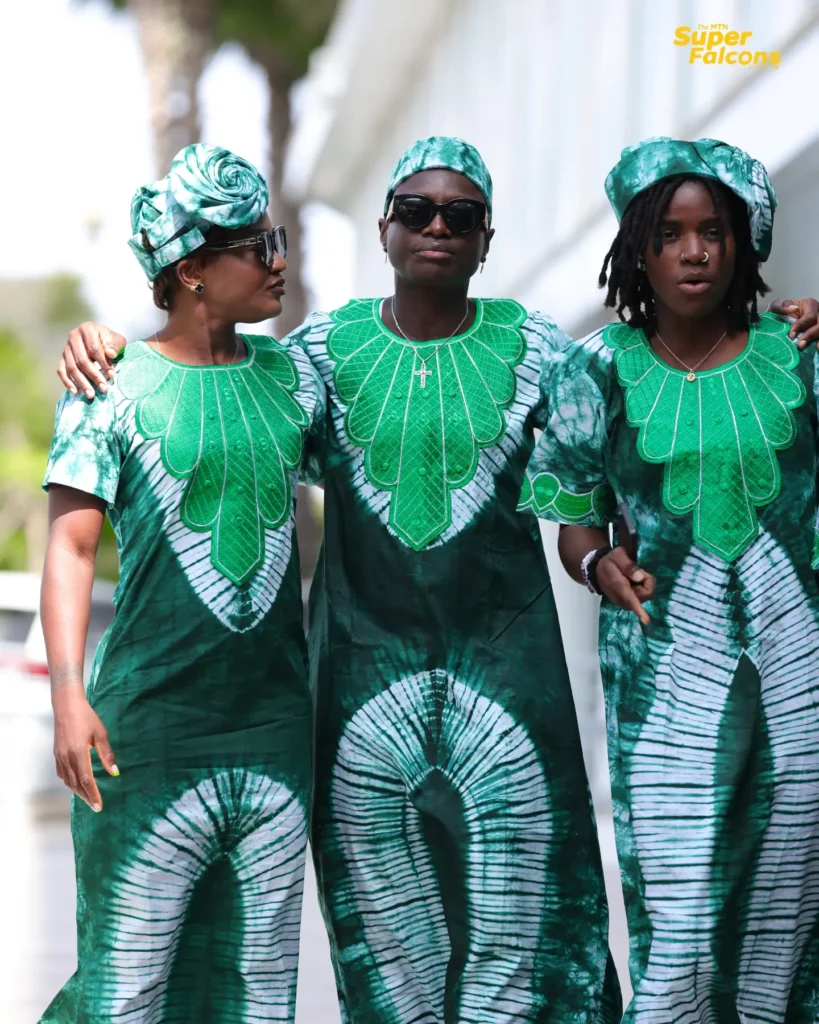
Travel outfits are often designed with comfort in mind, but the Super Falcons proved that practicality and style can go hand in hand. Their coordinated look was relaxed, modern and unmistakably Nigerian, making a memorable first impression in Rabat.
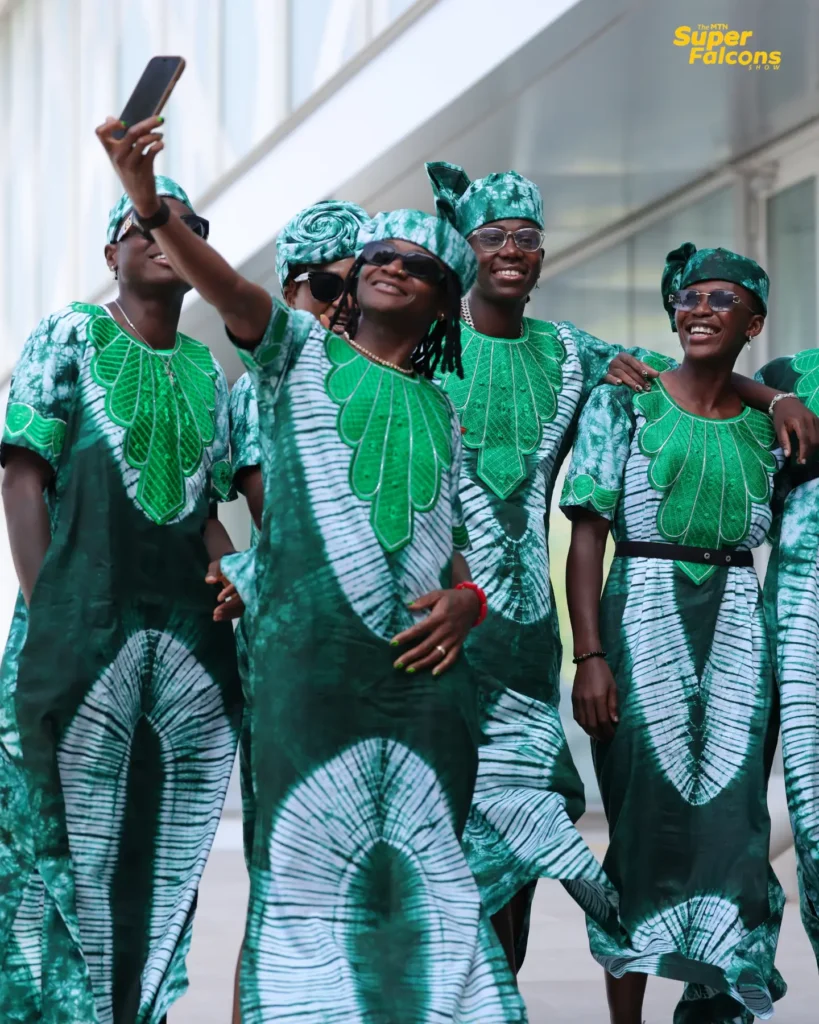
If this stylish arrival is any indication of the confidence and unity the team is bringing into the 2026 Women’s Africa Cup of Nations, fans have plenty to look forward to, both on and off the pitch.

Owning a fashion brand in Nigeria has never been more demanding. Starting one may be easier than ever, but building a business that survives is another story.
Social media has lowered the barrier to entry. Anyone with a sewing machine, a smartphone, and an Instagram account can launch a fashion business. Every day, new brands emerge with beautiful designs, polished photos, and ambitious dreams of becoming the next big name in Nigerian fashion.
Yet, behind the carefully curated Instagram feeds is the reality of owning a fashion brand in Nigeria. Many entrepreneurs are working longer hours, spending more money, and facing greater uncertainty than ever before. Owning a fashion brand today requires much more than creativity. It demands resilience, business knowledge, adaptability, and the ability to solve problems that have little to do with fashion itself.
The Cost of Creating Has Gone Up
One of the biggest challenges facing fashion businesses in Nigeria is the rising cost of production.
Fabrics, sewing accessories, packaging materials, equipment, and imported supplies have all become more expensive. Exchange rate fluctuations and inflation continue to affect businesses that rely on imported materials, while local alternatives are not always available or consistent in quality.
For many designers, every collection now costs significantly more to produce than it did a few years ago. The difficult part is that customers do not always understand why prices have increased, forcing many brands to absorb some of the extra costs just to remain competitive.
Customers Expect More Than Ever
Modern consumers expect more than beautiful clothes.
They expect quick responses on WhatsApp, professional customer service, flexible payment options, fast delivery, regular updates, and a seamless shopping experience. They also expect brands to maintain an active presence on social media while consistently producing fresh collections.
Meeting these expectations requires time, money, and systems that many small businesses are still trying to build.
Years ago, a designer could rely on referrals and word of mouth to grow. Today, visibility is a business expense.
Fashion brands are expected to post consistently, create videos, follow trends, collaborate with influencers, engage with followers, and compete for attention every single day. Creating quality content often requires photographers, videographers, makeup artists, models, and editors, adding another layer of cost before a single outfit is sold.
Ironically, a brand can have thousands of followers and still struggle to generate consistent sales.
Running a Fashion Brand Means Wearing Many Hats
Many people think fashion entrepreneurs spend most of their time designing clothes.
In reality, much of their day is spent managing customers, supervising production, negotiating with suppliers, tracking deliveries, handling payments, resolving complaints, and planning future collections.
A fashion designer in Nigeria is often the creative director, business manager, marketer, accountant, customer service representative, and operations manager all at once. Balancing these responsibilities can be exhausting, especially for small teams.
Infrastructure Still Gets in the Way
Nigeria’s business environment presents challenges that extend beyond fashion.
Unreliable electricity increases production costs through generators and fuel. Internet connectivity affects communication with customers. Logistics delays can disrupt deliveries, while rising transportation costs impact both businesses and clients.
These are challenges that many fashion entrepreneurs have little control over, yet they directly affect profitability and customer satisfaction.
Competition Is No Longer Local
A Nigerian fashion brand is no longer competing only with the tailor down the street.
Customers can discover designers from Lagos, Abuja, Accra, London, or even Asia within minutes. They compare prices, quality, customer reviews, and delivery times before making purchasing decisions.
This global marketplace creates opportunities, but it also raises the standard for everyone.
Fashion Has Become a Technology Business
Technology is reshaping the fashion industry.
Customers expect brands to have professional websites, accept digital payments, communicate efficiently, and provide a smooth online shopping experience. Artificial intelligence is beginning to influence design, content creation, and customer engagement, while digital marketing has become essential for growth.
The brands that embrace technology are often better positioned to reach new audiences and operate more efficiently than those relying solely on traditional methods.
Creativity Alone Is No Longer Enough
One of the biggest misconceptions about fashion is that talent guarantees success.
Exceptional design will always matter, but long-term success depends on pricing correctly, managing finances, building systems, understanding customers, and adapting to change. Fashion has become as much a business discipline as it is a creative one.
The brands that endure are usually those that treat creativity and strategy as equally important.
The Future Still Looks Bright
Despite these challenges, Nigeria remains one of Africa’s most exciting fashion markets. The country continues to produce talented designers whose work is gaining recognition locally and internationally.
The road may be more demanding than it once was, but it is also filled with opportunity for entrepreneurs willing to innovate, embrace technology, and build businesses that extend beyond beautiful clothing.
Owning a fashion brand in Nigeria has never been harder. But for those who can adapt, it has also never held greater potential.


Leeds Ready Bid to Sign Inter Milan Star Petar Sucic

Troops arrest suspected Boko Haram logistics supplier in Borno

2027: APC denies forcing Peter Obi out of Labour Party, ADC

Meaning Behind Egypt Manager’s ‘X’ Gesture vs Argentina

Premier League Set-Piece Goals (2025/2026)

Simi Sanya and Femi Dapson Are Now Legally Married and It Is Beautiful to See
-

 Metro2 days ago
Collapsed three-storey building traps occupants in Anambra
-
 Entertainment2 days ago
Veekee James and Femi Atere Deliver Their Most Heartwarming Fashion Moment Yet at Baby Eliana’s Child Dedication
-
 Entertainment2 days ago
Ebuka’s Big Brother Naija Season 11 First Look by Mai Atafo
-
 Sports2 days ago
Lisandro Martinez Explains Why Argentina Had Backs Turned as Spain Lifted World Cup
-
 Sports2 days ago
Liverpool Make Enquiry to Sign PSG Forward Ibrahim Mbaye
-

 Politics2 days ago
‘You’ve no plans, lack understanding of governance – Presidency slams Peter Obi
-
 Politics2 days ago
Lagos 2027: No agreement I’ll spend one term as gov — Hamzat
-
 Sports2 days ago
Cape Verde Ace Reveals Leo Messi’s ‘Surprising’ Comment to Him Before World Cup Game