
Business
Post-recapitalisation: CBN tightens grip on governance


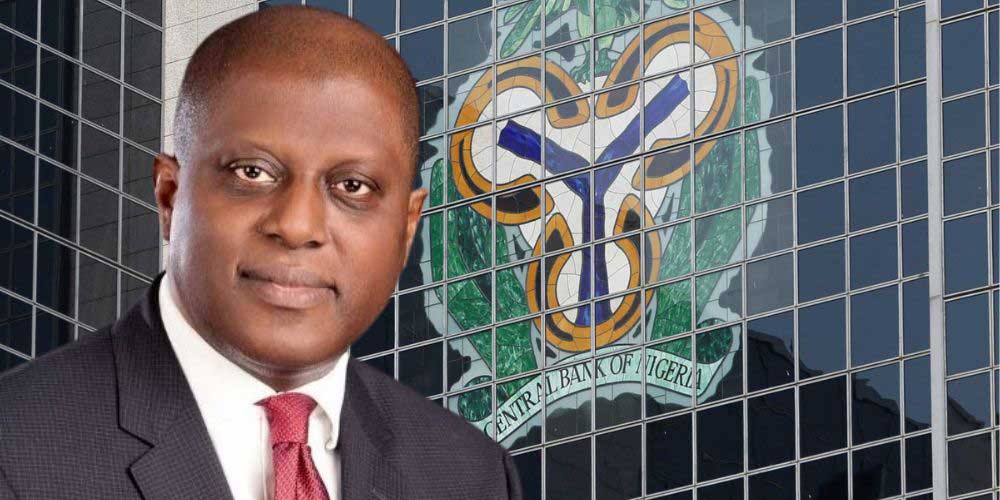
…as banks reposition for growth, economic devpt.
By Emeka Anaeto, Business Editor
The Central Bank of Nigeria (CBN) has signaled a tougher regulatory stance on lenders following the completion of its recapitalisation programme.
Vanguard learnt that the apex bank is reinforcing corporate governance, investor confidence and financial system stability.
Commercial banks, which raised N4.65 trillion from the exercise, are equally repositioning their operations to play key roles in business and economic development. For many stakeholders, the recapitalisation exercise remains strategically imperative in achieving CBN’s determination to build resilience and reposition banks to support sustainable economic growth.
The Nigeria banking industry has moved from capital raising to strengthening governance structures.
This new move ensures that raised funds are channeled to productive sectors that will create jobs and enhance economic growth.
This new defining phase is also to reposition raised funds for deployment in areas that will stimulate growth, stability and economic transformation.
With a combined N4.65 trillion injected into the system within two years, Nigerian banks have emerged from the exercise with significantly stronger capital buffers, improved resilience, and enhanced capacity to take on larger and more complex financial transactions.
Even the International Monetary Fund (IMF) at the recently held Spring Meetings in Washington, recognised the strategic importance of Nigeria’s recently concluded bank recapitalisation exercise, stating that the programme is already yielding positive results.
The Fund noted that the exercise was a timely and appropriate policy decision, particularly against the backdrop of persistent volatility in global oil supply.
According to the IMF, such uncertainties in the global economy made it essential for financial institutions to maintain strong capital buffers capable of absorbing shocks during periods of stress. It explained that a well-capitalised banking system enhances the capacity of banks to support monetary policy objectives, including inflation control, while also sustaining economic growth projections over the medium term.
The Fund further indicated that Nigeria’s strengthened banking sector is now better positioned to support its two-year growth outlook, with the IMF projecting steady expansion and improved macroeconomic stability. It added that the recapitalisation has reinforced confidence in the country’s financial system and created a stronger foundation for economic resilience.
The Washington-based institution also noted that the increased capital buffers are already playing a vital role in shielding the financial system from external shocks. It emphasised that maintaining strong fiscal positions remains critical for emerging economies seeking to navigate volatile global capital flows and reduce exposure to sudden market disruptions, especially amid ongoing oil price fluctuations linked to the Middle East crisis.
Speaking during the presentation of the Global Financial Stability Report at the meetings, the IMF Financial Counsellor and Director of the Monetary and Capital Markets Department, Tobias Adrian, stated that the benefits of recapitalisation become most evident during periods of economic stress.
He said, “Concerning bank recapitalisation, it is in times of stress where the value of bank capital really comes to the fore. So, what we are aiming at for global financial stability is a banking sector that is capitalised against adverse shocks.”
Adrian further noted that the capital raised by Nigerian banks would be particularly valuable in safeguarding the financial system during turbulent periods, as it strengthens their ability to withstand external pressures.
He said: “Of course, it’s in times of stress where the value of bank capital really comes to the fore, right? So, what we are aiming for is a banking sector that is capitalised against adverse shocks. So yes, bank recapitalisations are very welcome and are paying off, particularly in times of stress.”
No doubt, the reform, driven by the CBN under Olayemi Cardoso, has effectively redefined the scale at which banks are expected to operate, aligning the financial system with the country’s ambition of building a $1 trillion economy.
The recapitalisation thresholds—N500 billion for international banks, N200 billion for national banks, and N50 billion for regional players—have fundamentally altered the competitive landscape. Banks that once operated comfortably with relatively modest capital bases have now been compelled to rethink their strategies, strengthen governance structures, and reposition for a more demanding operating environment.
Post-recapitalisation, the Nigerian banking sector is no longer defined by survival or compliance, but by capacity and opportunity. The immediate impact is evident in improved Capital Adequacy Ratios across the industry, with most institutions now operating above global Basel benchmarks. This stronger capital position enhances the ability of banks to absorb shocks, manage risks more effectively, and extend credit with greater confidence.
Equally important is the restoration of trust. For depositors and investors, a well-capitalised banking system provides reassurance that financial institutions are stable, secure, and capable of safeguarding funds. This renewed confidence is critical, as it encourages savings mobilisation—the foundation upon which banks perform their core function of financial intermediation.
The real significance of recapitalisation, however, lies in what comes next. With stronger balance sheets, banks are now better positioned to finance sectors that have long been underserved. Infrastructure, manufacturing, agriculture, and small and medium enterprises (SMEs) all stand to benefit from increased access to credit. These sectors are central to Nigeria’s economic diversification agenda, and their growth is essential for job creation and long-term development.
Tightening governance grip
Speaking at the Chartered Institute of Directors Nigeria’s induction ceremony in Lagos on, Olayemi Cardoso, governor of the Central Bank of Nigeria (CBN), represented by Olubukola Akinwunmi, director of Banking Supervision, said the focus has now shifted from raising capital to enforcing discipline across bank boards and management.
He described the recapitalisation as a “strategic imperative” rather than a routine regulatory requirement, aimed at strengthening resilience and positioning banks to support sustainable economic growth. But he stressed that stronger balance sheets must now be matched by stricter governance standards.
“The role of directors becomes even more critical in this new phase,” he said. “Stewardship must now be exercised with sharper focus on consolidation, confidence and stability.”
The remarks underscore a broader pivot by the apex bank toward tighter oversight after a period marked by governance failures and regulatory interventions.
In January 2024, the Central Bank dissolved the boards and management of three banks over serious breaches, reinforcing its willingness to act decisively where oversight lapses threaten financial stability.
That stance has been followed by a wave of new rules targeting boardroom conduct and accountability. Among them is a directive requiring systemically important banks to secure regulatory approval for incoming chief executives at least six months before a transition, and to announce successors three months ahead, measures designed to prevent leadership vacuums.
The CBN has also moved to curb insider abuses through stricter limits on related-party lending, while reinforcing expectations on transparency, board independence, and disclosure of financial and governance information.
“These measures are not punitive,” Cardoso said. “They are enabling, providing directors with the framework to exercise stewardship with discipline, foresight and confidence.”
A key plank of the post-recapitalisation framework is the introduction of risk-based capital requirements, which tie banks’ capital levels more closely to the risks they take. The shift marks a departure from earlier regulatory forbearance and signals a more rules-based approach to supervision.
Under the new regime, directors are expected to take greater responsibility for aligning capital planning with risk exposure, strengthening oversight of credit, market and operational risks, and ensuring compliance without reliance on regulatory leniency.
The Central Bank said the move embeds risk awareness into strategic decision-making and is intended to ensure that recapitalisation translates into genuine financial system stability rather than simply larger balance sheets.
Beyond capital and risk, regulators are placing increasing emphasis on governance structures, including annual board evaluations, succession planning, and “fit and proper” criteria for directors. These measures are designed to ensure that only individuals with the required integrity, competence and financial soundness oversee financial institutions.
The renewed focus comes as Nigeria’s banking sector navigates a more complex operating environment marked by economic reforms, technological disruption and evolving customer expectations. Regulators say this requires more active and accountable boards capable of balancing profitability with long-term sustainability.
Cardoso said directors must move beyond passive oversight to become “active stewards,” guiding institutions through economic cycles while maintaining ethical standards and protecting stakeholder interests.
He also signalled that the Central Bank sees board members as critical partners in translating reforms into tangible outcomes for the economy, particularly in rebuilding trust in the financial system.
“As directors, your responsibilities extend beyond boardrooms,” he said. “The choices you make will shape the future of Nigeria’s economy.”
The CBN’s post-recapitalisation push is expected to reverberate beyond the banking sector, raising governance standards across corporate Nigeria as stricter rules on disclosure, accountability and risk management take hold.
With capital now bolstered, regulators appear determined to ensure that governance failures that triggered past banking crises are not repeated, even as they push lenders to play a stronger role in supporting economic growth.
What other analysts are saying
For industry observers, the Nigerian banking sector has demonstrated that it can undergo major structural reforms without triggering systemic shocks—a testament to both regulatory discipline and market maturity.
The future
Looking ahead, the focus is increasingly shifting towards impact. Analysts and stakeholders are emphasising the need for banks to translate their enhanced capacity into tangible economic outcomes. This includes increased lending to productive sectors, support for entrepreneurship, and financing for long-term projects that can drive industrialisation.
There is also a growing expectation that banks will play a more active role in regional and global markets. With stronger capital bases, Nigerian financial institutions are better positioned to participate in cross-border trade, support businesses under the African Continental Free Trade Area (AfCFTA), and attract foreign investment.
At the same time, customers are anticipating a more responsive and innovative banking experience. Improved capital should enable banks to invest in technology, enhance service delivery, and reduce the cost of financial services. Faster dispute resolution, more flexible products, and greater accessibility are among the benefits expected in this new phase.
However, experts caution that the journey is far from complete. The ultimate success of recapitalisation will depend on how effectively banks deploy their capital to support the real economy. As noted by analysts, stronger balance sheets must translate into increased investment, job creation, and improved living standards.
There is also the need to address structural constraints that could limit the impact of the reform. Issues such as high interest rates, policy uncertainty, and infrastructure deficits continue to pose challenges to credit expansion. Addressing these factors will require coordinated efforts between monetary and fiscal authorities.
Nonetheless, the outlook remains positive. The recapitalised banking system provides a solid foundation for growth, offering the financial strength needed to support Nigeria’s economic ambitions. With improved governance, enhanced risk management, and renewed investor confidence, the sector is better equipped to navigate both domestic and global uncertainties.
In many ways, this moment represents a reset for Nigerian banking—a transition from a period of cautious consolidation to one of proactive expansion and strategic impact. The industry is no longer just a custodian of deposits; it is a catalyst for growth, innovation, and development.
As banks begin to deploy their strengthened capital, the true benefits of recapitalisation will become more visible across the economy. Businesses will gain access to funding, industries will expand, and new opportunities will emerge. For individuals, this could mean better access to credit, improved financial services, and enhanced economic prospects.
Nigeria’s banking sector now stands at a critical juncture. The recapitalisation exercise has laid the groundwork, but the next phase will determine its legacy. If effectively harnessed, this renewed financial strength could drive a virtuous cycle of growth—one where stronger banks lead to stronger businesses, and ultimately, a stronger economy.
The post Post-recapitalisation: CBN tightens grip on governance appeared first on Vanguard News.

By Juliet Umeh
For years, Africa was seen mainly as a market for technology products developed elsewhere, with few believing globally successful technology companies could emerge from the continent.
That perception is changing, and one of those leading that transformation is Iyinoluwa Aboyeji, who co-founded Andela and Flutterwave, two technology companies that have each achieved valuations of over $1 billion.
Speaking in a recent interview on School of the Hard Knocks, Aboyeji shared the principles that shaped his entrepreneurial journey, offering lessons for young Nigerians seeking to build successful businesses.
Inspired by a dream
Aboyeji said his entrepreneurial journey began after watching The Social Network, a movie based on the rise of Facebook founder, Mark Zuckerberg.
“The really funny thing is that I watched The Social Network and, full circle, Mark Zuckerberg ended up investing in my first billion-dollar company,” he said.
That first company was Andela, a technology talent company that trains and connects African software developers with global employers.
For Aboyeji, what started as inspiration eventually became reality, demonstrating that ideas developed in Lagos could attract global investors.
Building systems, not just companies
Asked about the secret behind building billion-dollar businesses, Aboyeji did not point to funding or luck.
“It’s all about systems,” he said.
He recalled advice from one of his billionaire mentors, saying: “A billion-dollar company is just a bunch of people who could have individually built $10 million businesses but decided to come together and build one business.”
According to him, “the success of any organisation depends less on one exceptional founder and more on building strong systems supported by capable people.”
Teamwork makes the difference
Aboyeji repeatedly stressed that no entrepreneur succeeds alone.
“It’s the team,” he said.
He explained that assembling talented people around a shared vision was one of the biggest factors behind the growth of both Andela and Flutterwave.
Echoing that view, ARISE News co-host, Dr. Reuben Abati, said one of the biggest lessons from the interview was the importance of teamwork.
“He made a point about the team. He said it’s about the team. Teamwork, teamwork. If you come together and you have a good team, you will produce results,” Abati said.
According to him, many people mistakenly attribute business success solely to individual brilliance.
“Oftentimes, many Nigerians are delusional. They think you are such a genius that’s why you are progressing, but businesses are products of the quality of people that make that business,” he added.
Creating value first
Beyond teamwork, Aboyeji urged young entrepreneurs to focus on serving others before seeking personal rewards.
“The biggest advice for networking is to serve people. ‘How can I help?’ Those four words are the most powerful words in the world,” he said.
He warned against approaching relationships with a selfish mindset.
“Don’t be a taker. Give, give, give, give, give, and eventually, it will be given unto you.”
He added: “The more money you make other people to make, the more money you’re going to make yourself.”
According to him, “entrepreneurs who consistently create value naturally attract opportunities and long-term success.”
Learning from mentors
Aboyeji also acknowledged the role mentors played in shaping his entrepreneurial journey.
He said many of the principles that guided his businesses came from conversations with experienced business leaders who challenged him to think differently about leadership and growth.
Reflecting on the interview, Abati noted that mentorship, opportunity and divine favour all played important roles.
“First, he said, ‘Look at God.’ There is a God factor because sometimes you just find favour. It’s an opportunity,” Abati said.
He added that Aboyeji’s relationship with Zuckerberg and other global investors also underscored the importance of support and strategic partnerships in building successful businesses.
Simplicity despite success
Although Aboyeji has helped build companies worth billions of dollars, those who know him say he has remained remarkably humble.
ARISE News presenter Rufai Oseni described him as one of Nigeria’s most inspiring entrepreneurs, recalling interviewing him during the early days of Andela.
“I remember when I first interviewed him around 2012 or 2013. He came to tell the story of Andela, and shortly afterwards the company received that major investment from Mark Zuckerberg,” Oseni said. According to him, Aboyeji has continued to push boundaries.
“He’s a double unicorn. These two companies have crossed the billion-dollar mark, and he keeps pushing the envelope. He’s a great inspiration to young people.”
His colleague, Vimbai Mutinhiri-Ekpenyong, said one lesson that stood out was Aboyeji’s modest lifestyle.
“He’s one of the simplest, most understated people you’ll meet. You won’t see him coming and think there are billions around him,” she said. According to her, successful entrepreneurs often focus less on luxury and more on creating lasting value.
“People who are committed to building are ready to make sacrifices. They don’t spend too much time on unnecessary luxuries; they focus on doing the work.”
Building from Nigeria
Perhaps the most memorable part of the interview came when Aboyeji reflected on how perceptions about Africa have changed.
“There was a time people just didn’t believe billion-dollar companies could come from this part of the world. But look at God. Build, build, build,” he said.
Aboyeji’s story shows that Nigerian entrepreneurs can build businesses that compete globally despite challenges such as poor infrastructure and limited access to funding. His journey proves that success is possible with a clear vision, the right team, good systems and a commitment to solving real problems. His message to young Nigerians is simple: “Build, build, build.”

By Yinka Kolawole
The Minister of Finance and Coordinating Minister of the Economy, Taiwo Oyedele, has disclosed plans by the Federal Government to publish indicators tracking poverty, incomes and inequality to assess the impact of the government’s economic reforms on the living standards of Nigerians.
He said the move is aimed at addressing criticism of the reform programme suggesting that gains in revenue, foreign exchange liquidity and investor confidence have yet to translate into meaningful relief for households facing high food, transport and living costs.
Speaking at a ‘ conference organised by BusinessDay newspaper, in Lagos, yesterday, Oyedele said the government would assess “shared prosperity” using three measures – reductions in multidimensional poverty, increases in real income per capita, and lower inequality.
The government is seeking to demonstrate that reforms introduced in 2023, including scrapping a fuel subsidy and liberalising the naira, applauded by lenders and investors, are translating into broader gains for Nigerians after driving up inflation and living costs.
Recall that the International Monetary Fund (IMF) said in June that ‘ the reforms were improving investor confidence and economic stability, 63% of the Nigerian populace remained in poverty and millions faced food insecurity.
The measures have also been accompanied by criticism over persistent corruption and allegations of unbudgeted government spending, raising questions about ‘ whether the sacrifices demanded of citizens are being matched by fiscal discipline.
Oyedele said inflation was easing, the foreign exchange market was functioning more efficiently and investor interest was returning, ‘ but acknowledged that macroeconomic stability alone would not be enough.
“A stable economy can still be a stagnant one if we become complacent,” he said.
Oyedele said ‘ the ministry of finance would be responsible for producing the scorecard but did not provide a timeline for publishing the indicators or say how frequently they would be updated.

•May confiscate unutilised balance
By Elizabeth Adegbesan
The Central Bank of Nigeria, CBN, has directed Bureau De Changes, BDCs, to sell unutilised foreign exchange (FX) balances to the Nigerian Foreign Exchange, NFEM, market within twenty-four (24) hours of the expiry of the utilisation period.
The apex bank disclosed this in its regulatory guidance on purchase of FX by BDCs through authorized dealer banks in NFEM.
According to the apex bank, “BDCs are not permitted to retain in their possession any foreign exchange purchased from the NFEM that remains unutilised. All unutilised balances shall be sold back to the NFEM market within twenty-four (24) hours of the expiry of the utilisation period.
“Failure to comply shall attract regulatory sanctions including but not limited to forfeiture of the unutilised balance and suspension of the BDC’s NFEM access.
‘‘BDCs shall disclose any unutilised balance from the prior week in each new purchase request submission.
“Authorised Dealer Banks shall factor disclosed unutilised balances into their weekly cap calculations.”
CBN said further that this guidance aims at facilitating seamless implementation of the framework and support sustained liquidity in the retail segment of the foreign exchange market.
The apex bank also prohibited third party transactions saying, “Foreign exchange purchased by a BDC shall be credited only to the BDC’s registered settlement account.
“Disbursement to any account other than the BDC’s own registered account shall constitute a regulatory violation and shall be reported immediately to the CBN.”
CBN noted that only BDCs in possession of a valid and subsisting CBN licence shall be entitled to access foreign exchange under this framework.
The apex bank, however, excluded BDCs under regulatory sanction, whose licences are suspended, or whose operating conditions have been restricted by the CBN, from participation until such restrictions are lifted.
The apex bank also mentioned that it shall maintain a centralised portal, the FX BDC Purchase Tracker (FXBT), to which all BDCs shall be registered and submit real-time or same-day data on BDC purchases, enabling systemic compliance and oversight.
It also warned that no Authorised Dealer Bank should impose exclusivity arrangements, referral fees, or any condition that restricts a BDC’s freedom to select its preferred counterparty bank.
The apex bank warned that violations of the provisions of the Circular and the attached Guidance shall attract appropriate regulatory sanctions.


Man Utd Set to Make Move to Sign £80m Forward

2027: NDC will win before 12 noon in free, fair election – Fayose

Navy uncovers, deactivates illegal refining sites in Rivers

Meaning Behind Egypt Manager’s ‘X’ Gesture vs Argentina

Simi Sanya and Femi Dapson Are Now Legally Married and It Is Beautiful to See

Premier League Set-Piece Goals (2025/2026)
-
 Sports11 hours ago
Why Thomas Tuchel Gave Bukayo Saka Zero Minutes in England vs Argentina
-
 Sports11 hours ago
Michael Olise ‘Broke Down in Tears’ After France vs England
-
 Sports14 hours ago
Adrien Rabiot Slams France Teammates in Stunning Interview After England Defeat
-
 Sports12 hours ago
Premier League Star Slammed For ‘Disgraceful’ Behaviour in England v France
-
 Metro14 hours ago
Army dismantles illegal bunkering site, arrests six suspects in Lagos
-

 Metro2 days ago
Lagos court arraigns microfinance bank staff for alleged forgery
-

 Metro1 day ago
Three Chinese, others arrested over alleged illegal mining in Nasarawa
-
 Metro2 days ago
Foreign nationals, Nigerians arrested over alleged illegal mining in Nasarawa community